
Alaska’s Heavy Haul & Machinery Shipping Experts

Alaska
Machinery Transport
Machinery & Heavy Equipment Transport Services throughout the state of Alaska
Get A Quick Alaska Freight Quote
Skip the phone tag. Tell us what you’re shipping and where it’s going, and we’ll build you a custom all-in quote, and message you back promptly.
Where are we shipping?
What are we moving?
Equipment Needed?
Contact Information
SSL Secure
No Obligation
24 Hr Response
Logistics for the Last Frontier
Alaska is unlike anywhere else. With few roads connecting communities and extreme weather conditions, shipping here requires precision planning. It’s not just about driving a truck; it’s about coordinating multimodal moves involving barges, rail, and specialized winter equipment.
We connect the Lower 48 to the Great Land. Our team manages the complex logistics chain from the moment your freight leaves the warehouse in the continental US until it arrives at your job site in Anchorage, Fairbanks, or the North Slope.
- Barge Management
- Dalton Hwy Experts
- Heated Transport (KFF)
- Hazmat Certified
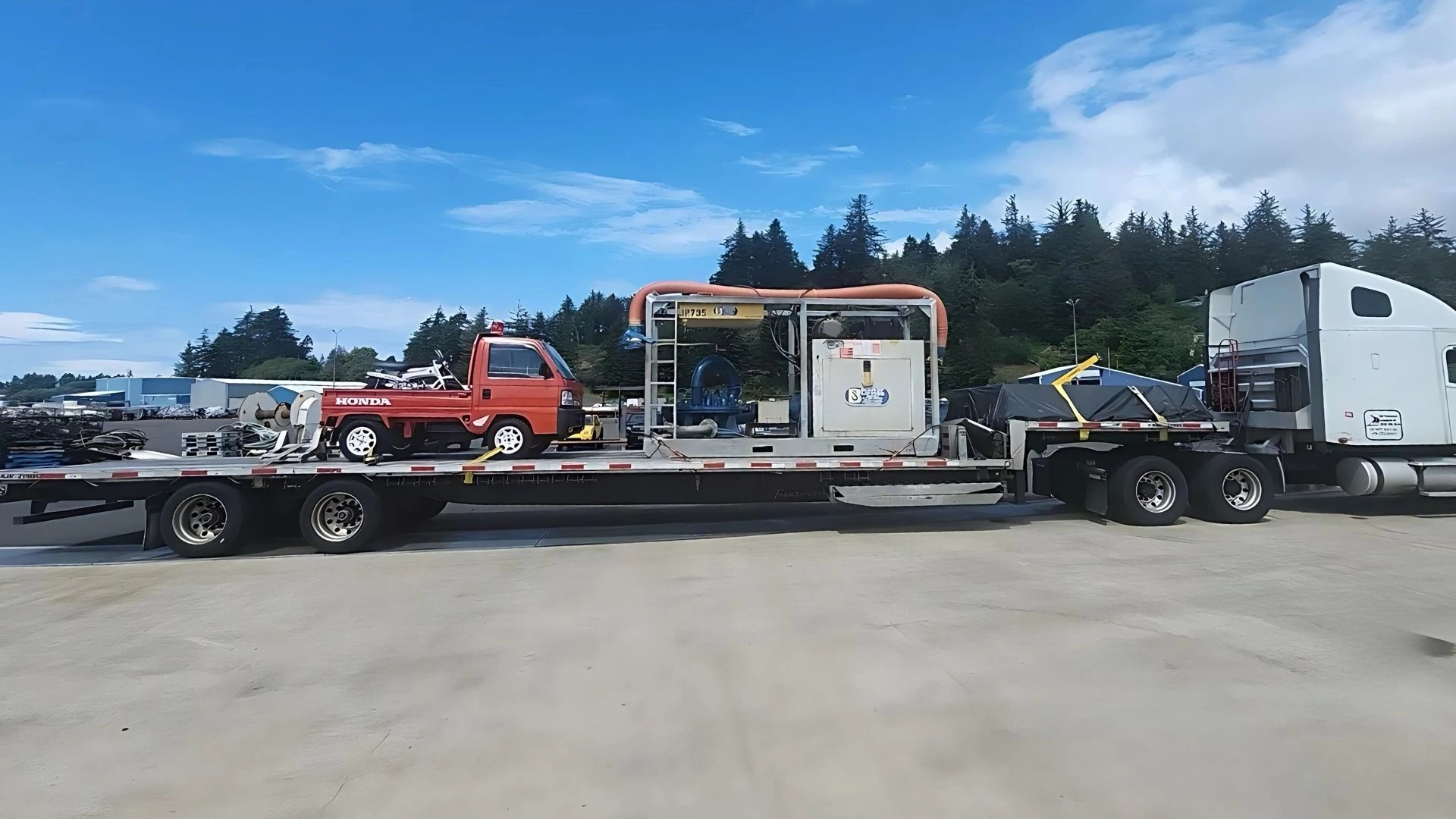
- The Lifeline to the North
The Washington Connection
Twice Weekly Sailings
Regular barge service ensures consistent supply chains for Anchorage and Fairbanks.
Seamless Transfer
We manage the booking numbers and dock receipts. You just tell us what needs to move.
Serving Communities Across Alaska
Anchorage
The primary logistics hub and distribution center for Southcentral Alaska.
Fairbanks
Gateway to the Interior and the North Slope oil fields.
Juneau
State capital, accessible only by sea or air - barge critical.
Wasilla
Key distribution point for the Mat-Su Valley.
Palmer
Agricultural center and growing industrial hub.
Kenai
Oil and gas logistics on the peninsula.
Soldotna
Central hub for the Kenai Peninsula road system.
Kodiak
Major commercial fishing port, barge access only.
Valdez
Terminus of the Trans-Alaska Pipeline, heavy industrial port.
Sitka
Southeast Alaska fishing and tourism hub (Island based).
Ketchikan
First port of call in Southeast, timber and fishing logistics.
Prudhoe Bay
Deadhorse - The heart of North Slope oil operations.
Nome
Western Alaska hub, seasonal barge access for mining.
Bethel
Logistics hub for the Yukon-Kuskokwim Delta.
Barrow (Utqiagvik)
Northernmost point, extreme Arctic logistics.
Homer
End of the road system, marine transport gateway.
Seward
Ice-free port with rail connections to the Interior.
Cordova
Commercial fishing hub, accessible by ferry/barge only.
Petersburg
Fishing community reliant on marine freight.
Wrangell
Timber and fishing logistics in Southeast.
Powering Alaska's Industries
Supporting the resource-rich economy with reliable heavy haul and supply chain solutions.
Oil & Gas
Fishing & Seafood
Mining
Construction
Military Defense
Tourism
- Mining & Industrial Machinery
Heavy Equipment for the North
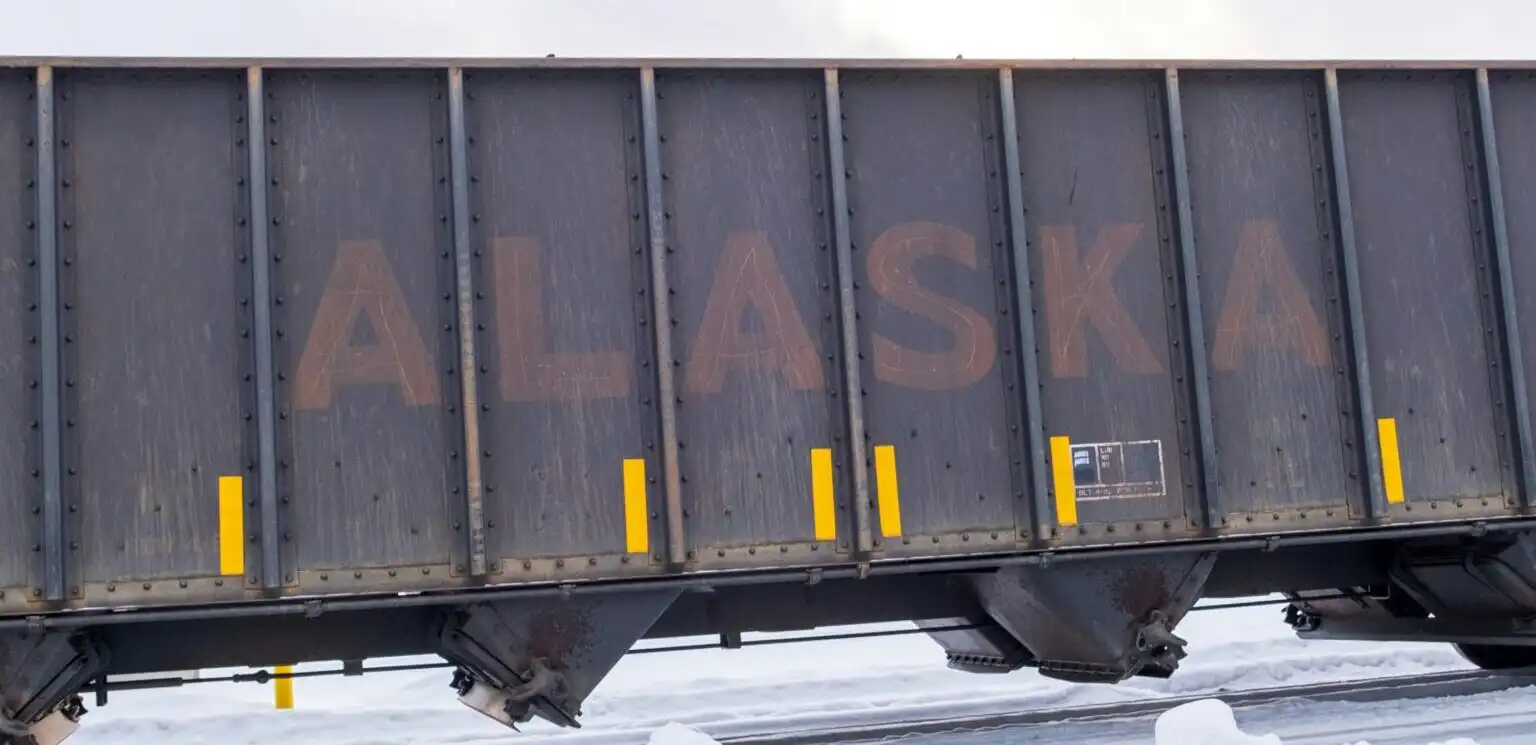
Alaska’s mines and oil fields run on massive machinery. We specialize in transporting rock crushers, conveyors, drilling rigs, and CNC maintenance equipment to the most remote sites. Our team understands the rigorous blocking and bracing required for the barge journey and the rugged roads ahead.
- Safety Priority
Wildlife & Winter Safety
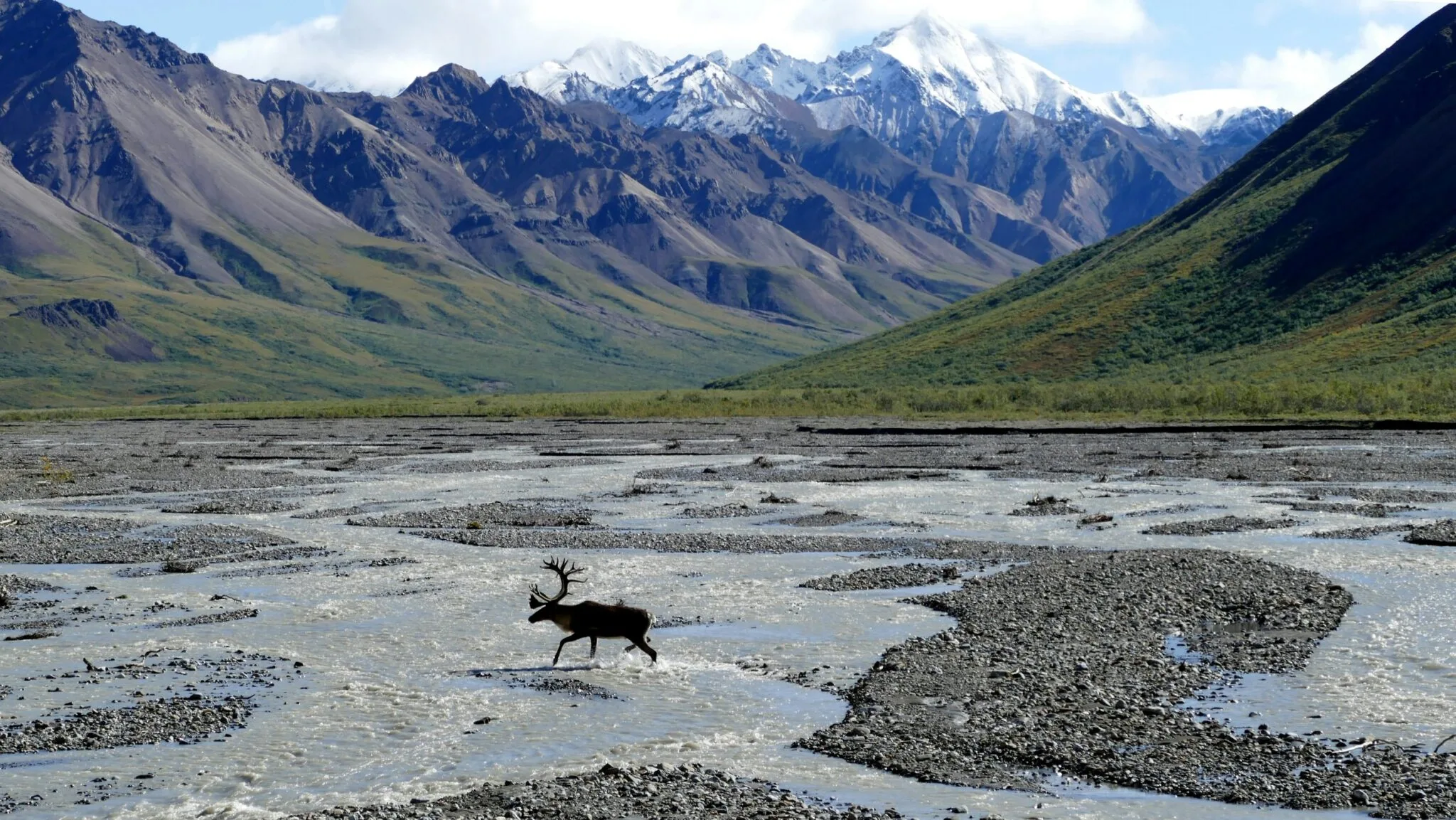
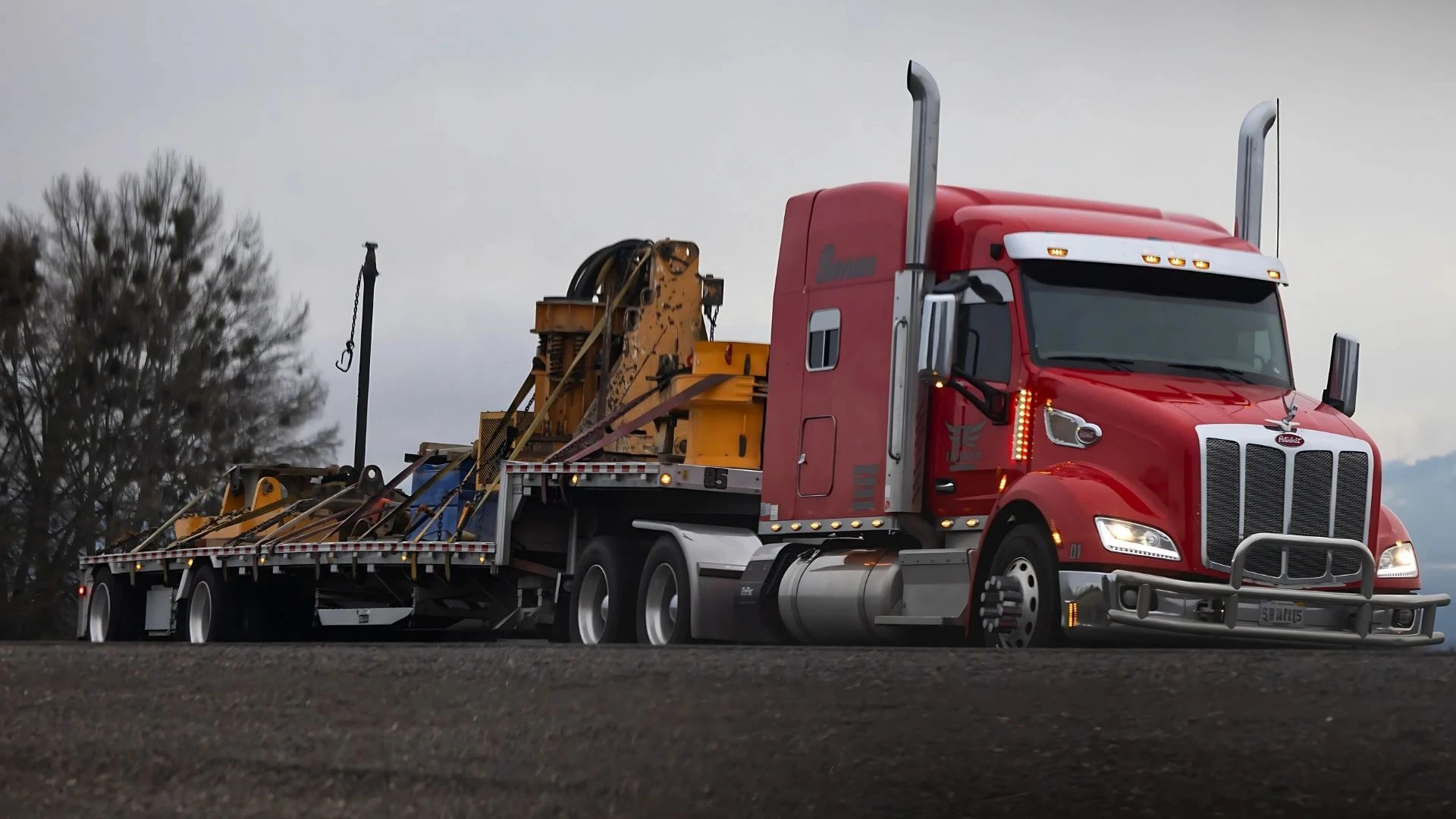
Alaska’s roads are wild. Moose collisions are a major risk, especially in winter darkness. Our carriers are equipped with heavy-duty moose bumpers (grille guards) and powerful lighting to navigate safely.
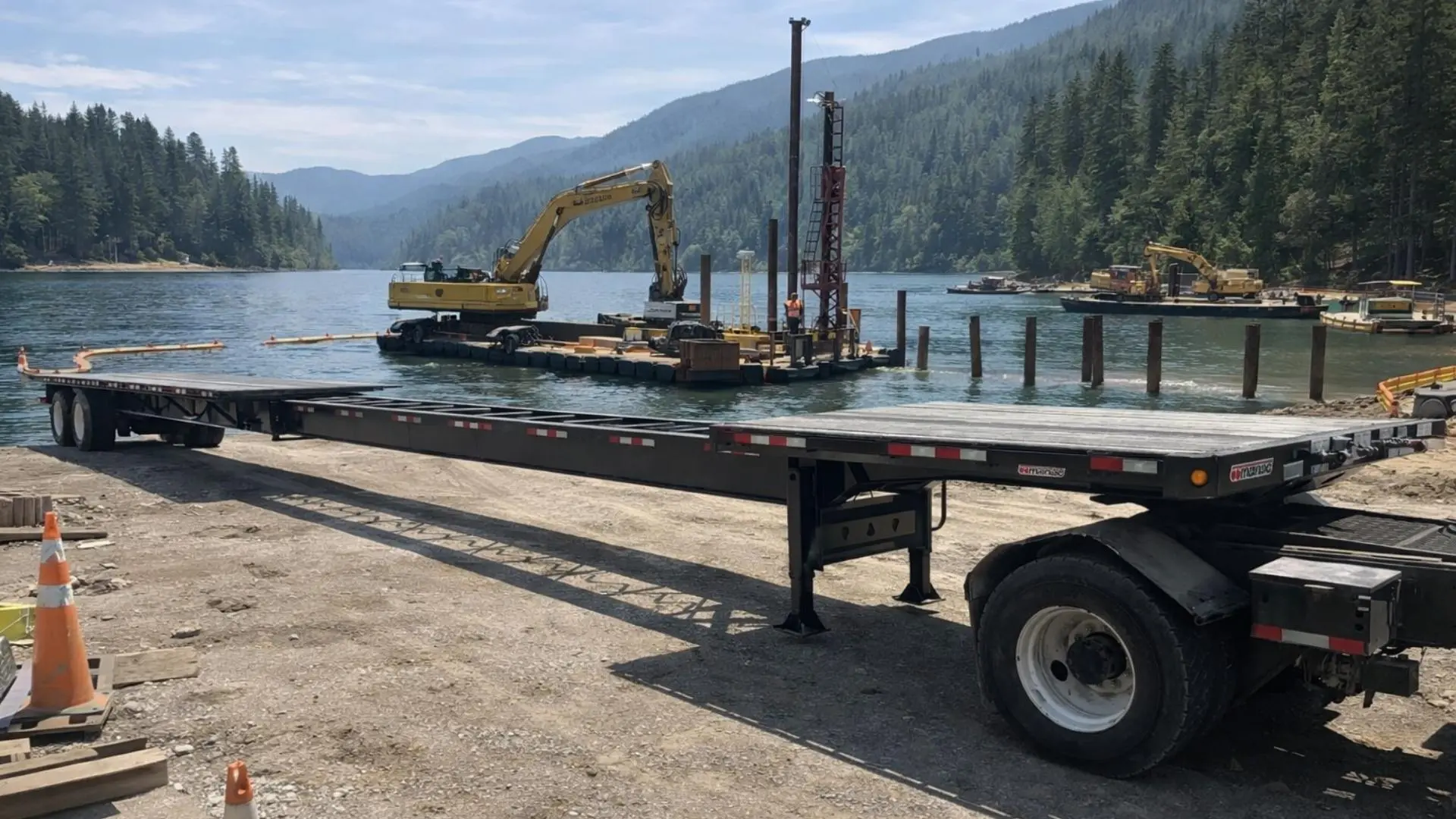
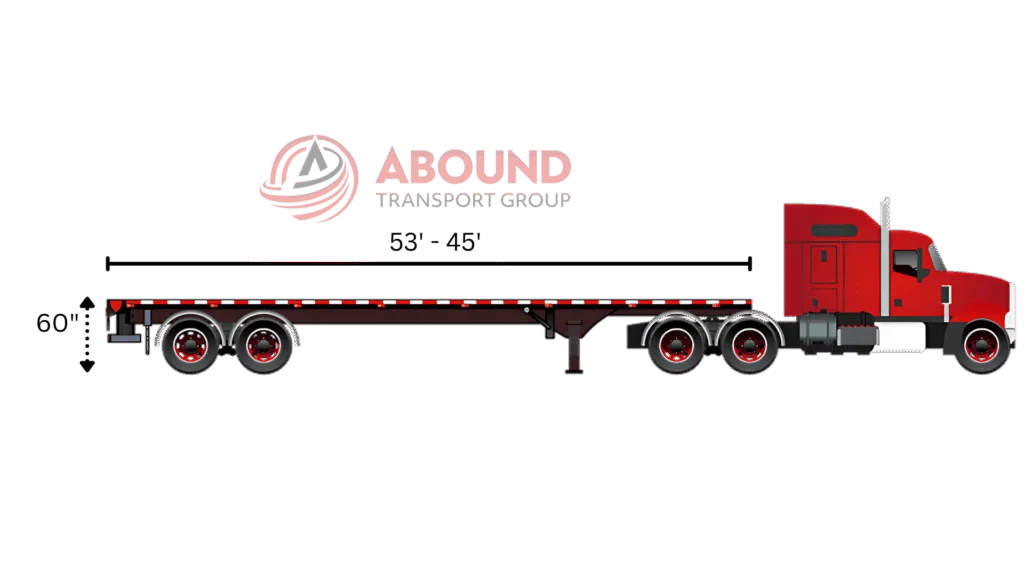
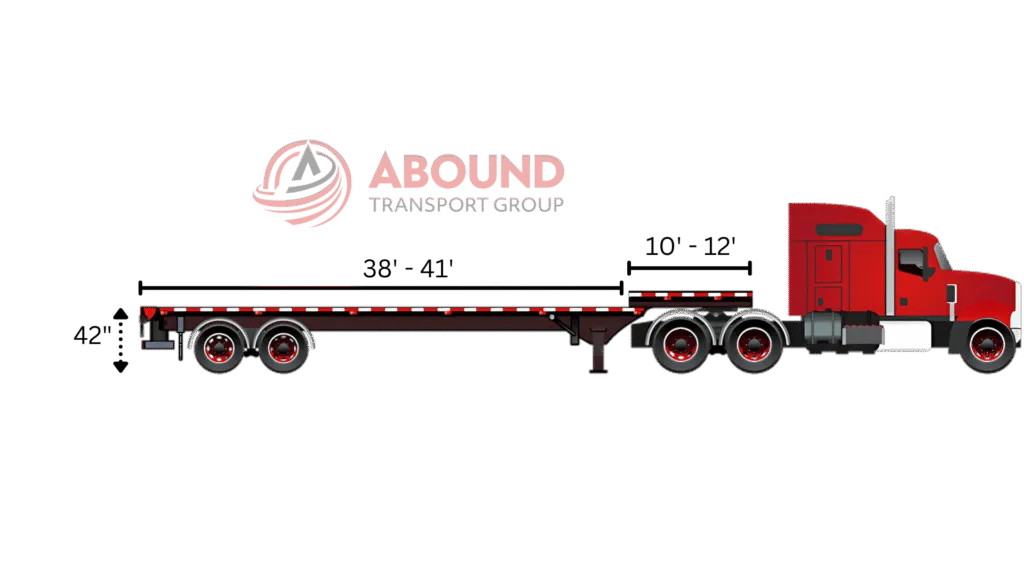
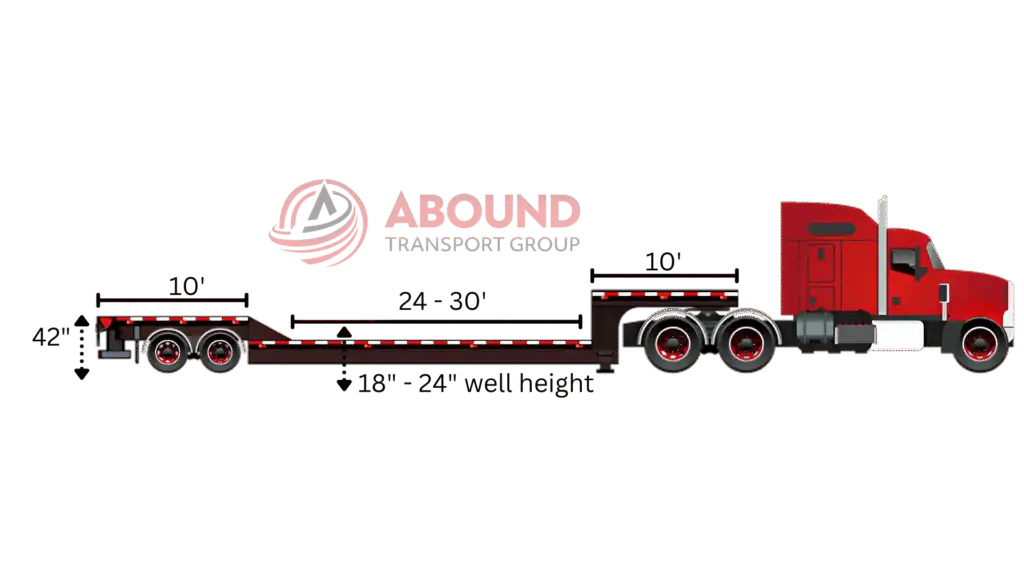
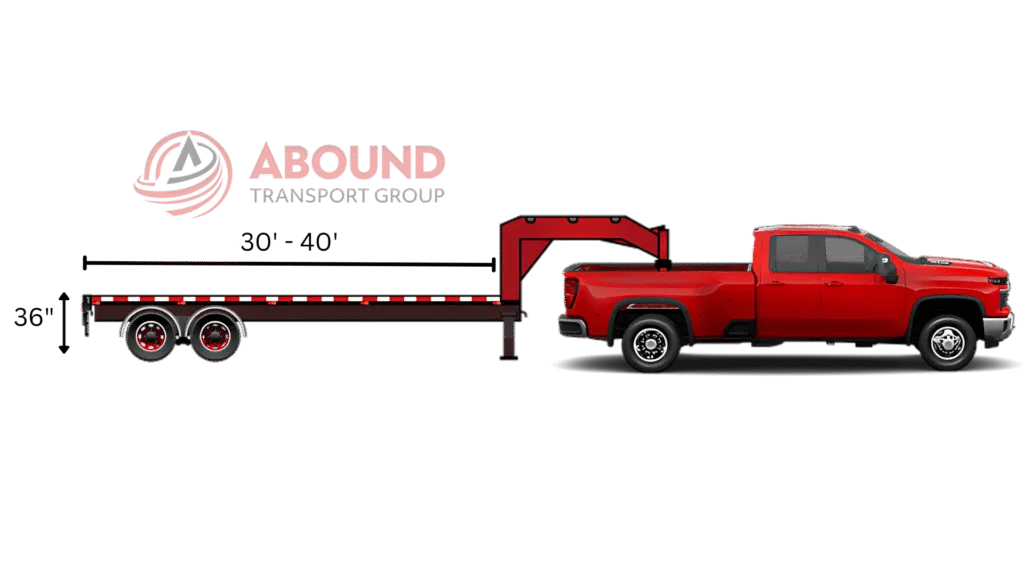
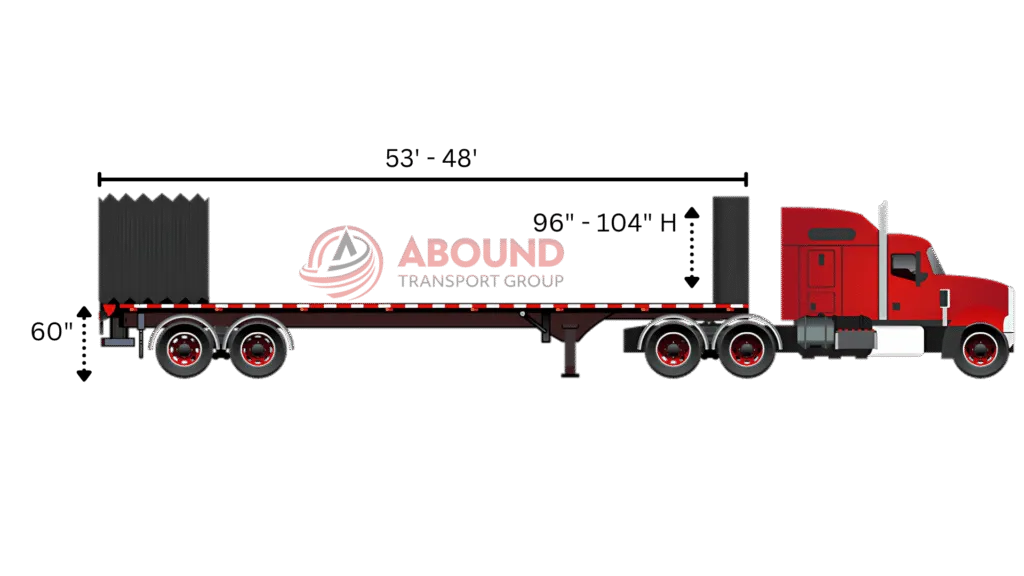
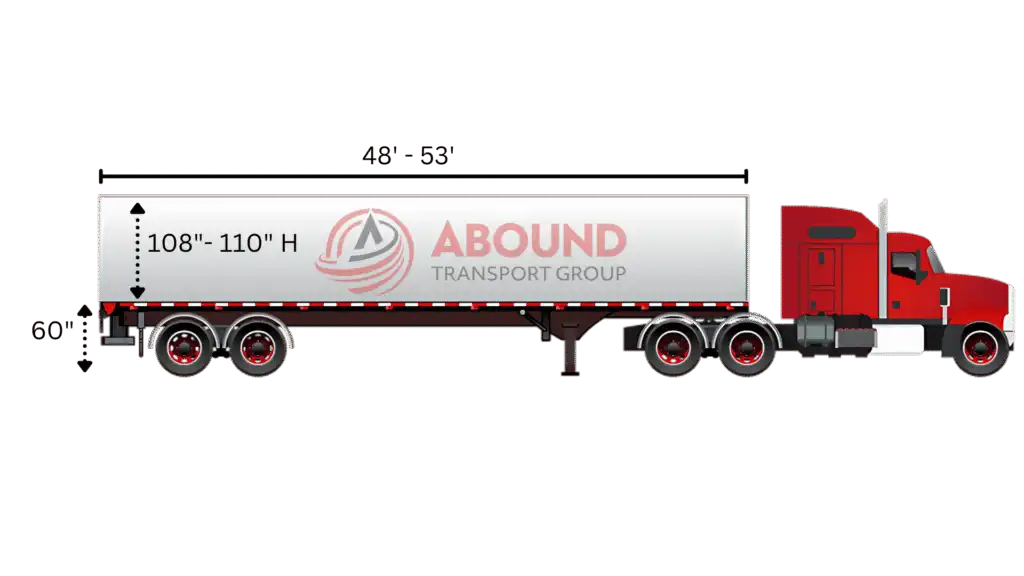
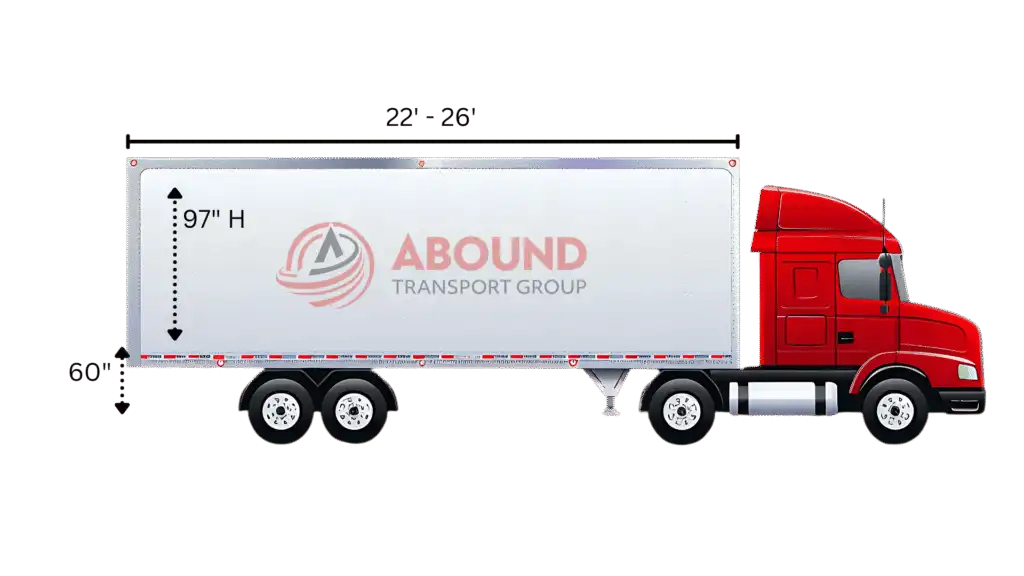
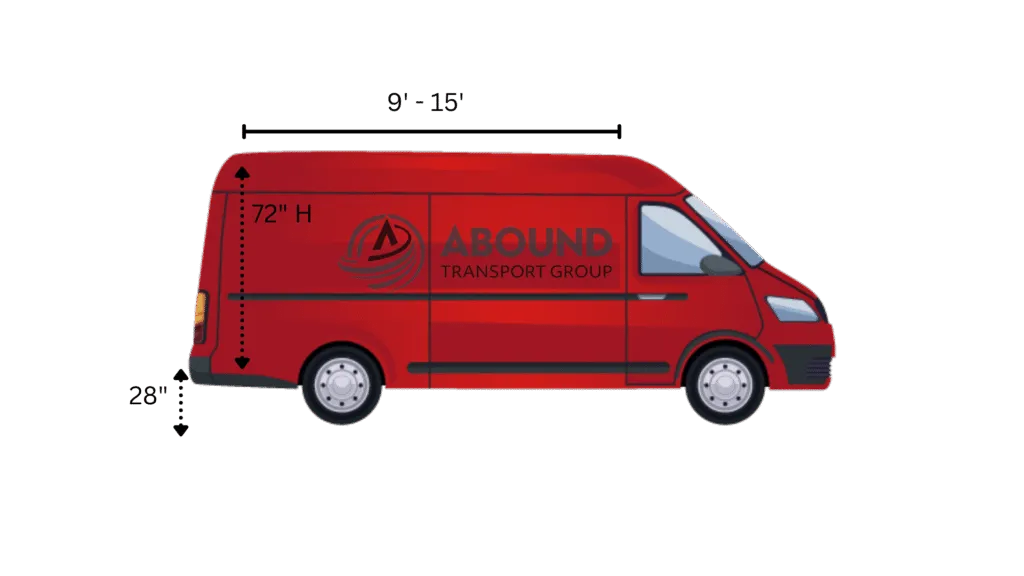
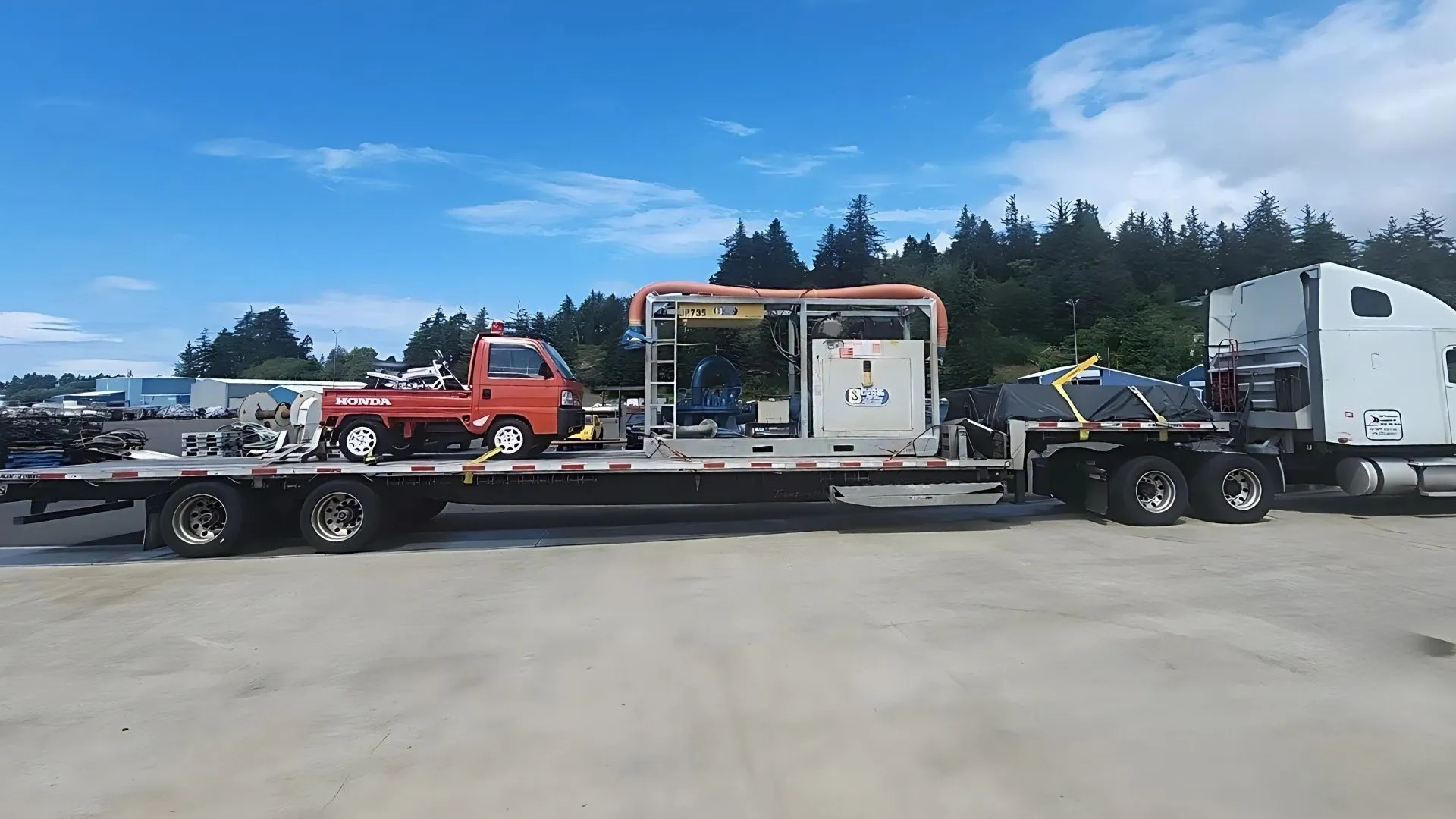
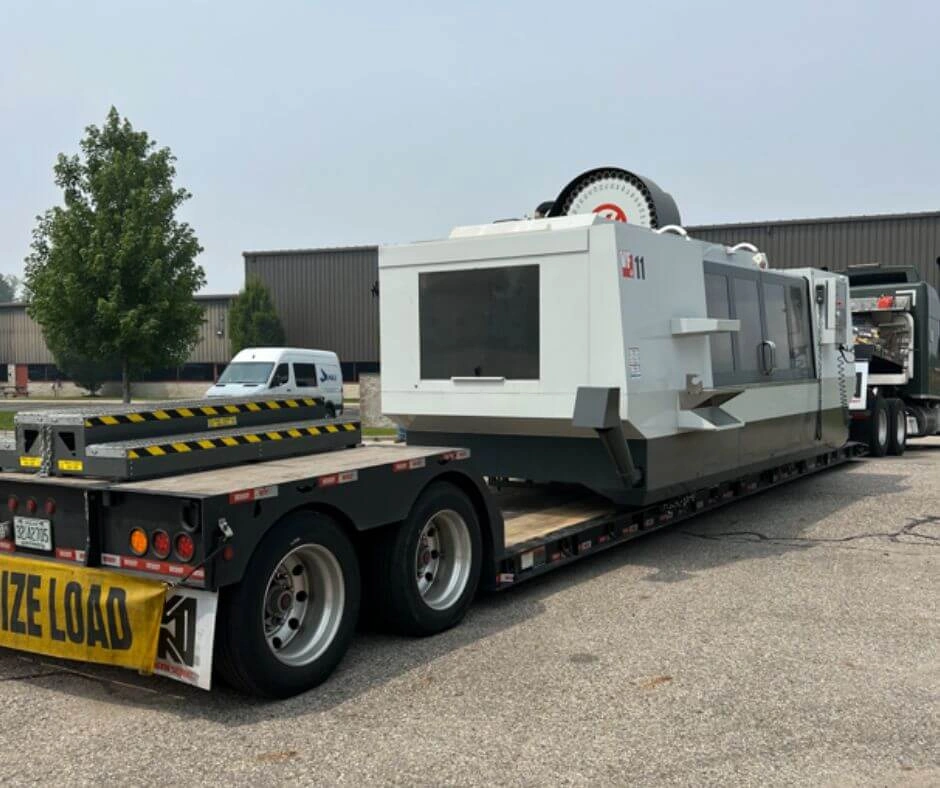
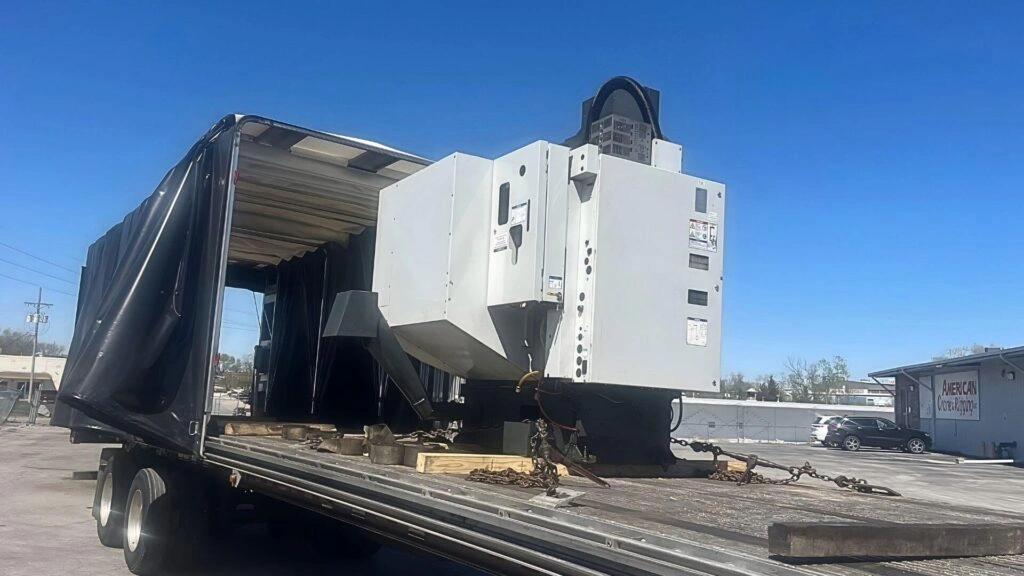
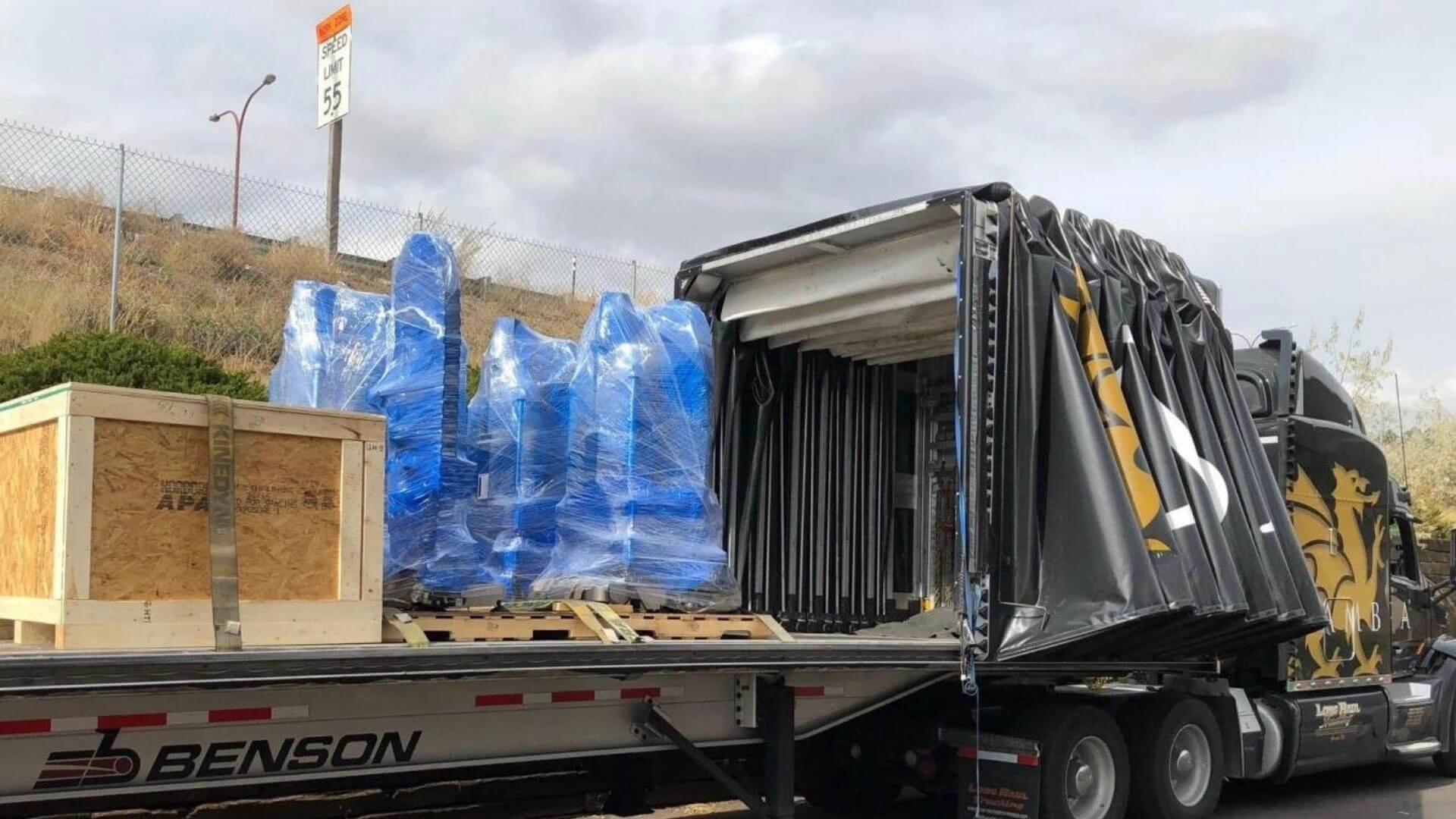
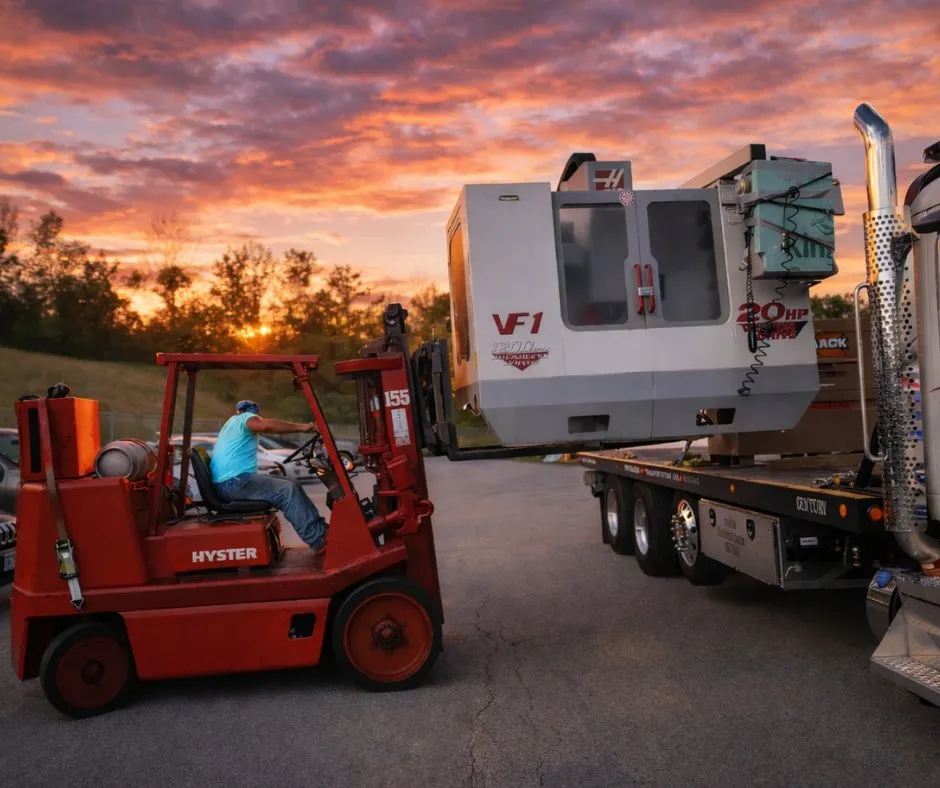
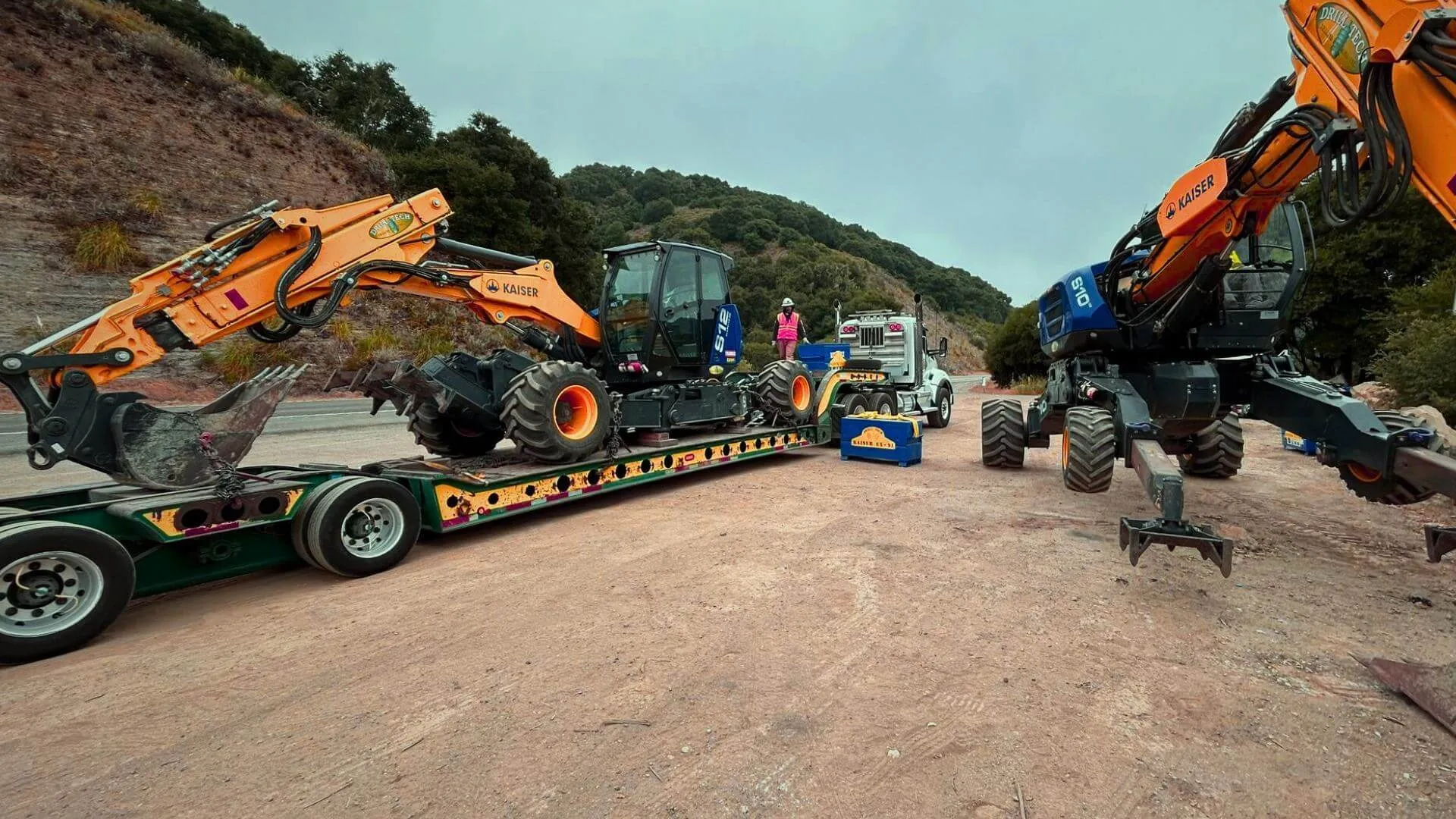
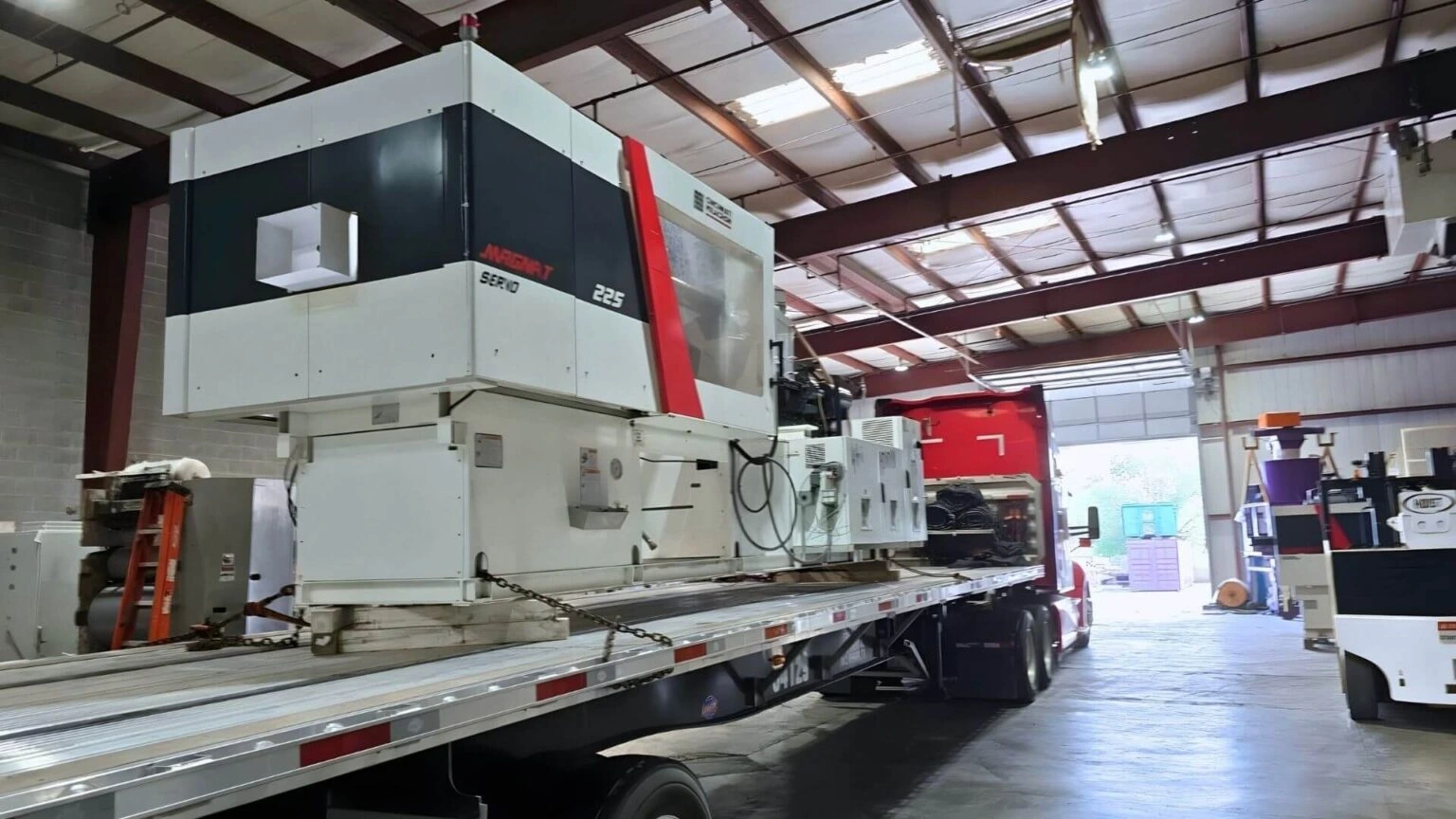
AVAILABLE TRAILER TYPES
Client Feedback
Trusted by businesses operating in the Far North.
Greg M.
Sarah L.
Shipping sensitive electronics to Juneau is tricky because of the rain and barge transfer. Abound used Conestogas and ensured everything arrived dry and undamaged.
Tim B.
Alaska Freight FAQ
The majority of freight moves via barge from Tacoma/Seattle to Anchorage or Whittier. From there, it travels by truck or rail. We handle the entire multimodal process—drayage in WA, barge booking, and final delivery in AK.
Yes. For cities like Juneau, Sitka, or Nome, we utilize direct barge services. We coordinate the drop-off at the Washington port and arrange for pickup at the destination port.
Absolutely. We specialize in the 'Haul Road' (Dalton Highway) logistics. Our drivers are experienced in navigating this treacherous route to deliver oil field equipment safely.
Spring thaw (breakup) imposes weight restrictions on most highways, typically reducing payloads to 50-75% capacity from April to June. Winter requires chains and specialized cold-weather gear.
In winter months (Oct-April), KFF is critical for liquids, electronics, and perishables. We use heated trailers (reefers running in heat mode) to ensure your cargo doesn't freeze in -40°F temps.
Barge transit from Tacoma to Anchorage is typically 3-4 days on the water, plus port handling. Door-to-door usually takes 7-10 days depending on origin. Overland truck service (AlCan) is faster but more expensive.
Moose and caribou are serious hazards on Alaska highways. Our drivers are trained in wildlife awareness and defensive driving to prevent collisions and protect both cargo and nature.
Yes, we manage Hazmat shipments including fuel, batteries, and chemicals. We ensure all IMDG (marine) and DOT regulations are met for both the barge and road portions of the move.
Yes, utilizing the Alaska Highway (AlCan) through Canada is an option for expedited freight. It requires bonding for customs and is generally more costly than barge, but faster.
Alaska has specific permitting rules for oversized loads. We handle all State of Alaska DOT permits, pilot cars, and route surveys, especially for heavy haul moves to the Interior.
We focus primarily on commercial B2B freight and heavy equipment. We generally do not ship personal household goods or single personal vehicles unless part of a larger commercial move.
Gulf of Alaska storms can delay barges. We monitor marine forecasts closely and communicate any schedule changes immediately. For urgent freight, we can look at air or overland options.