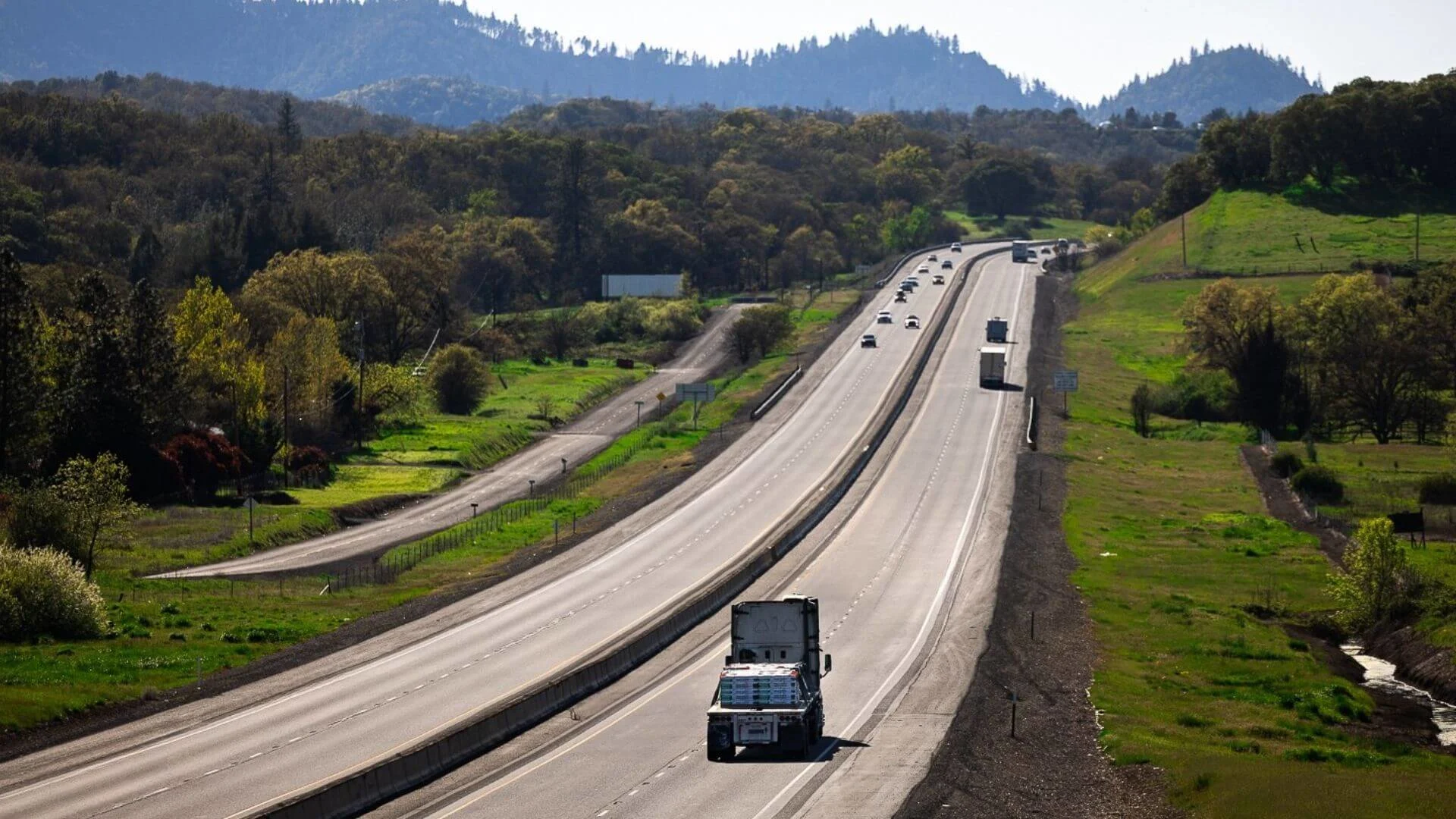
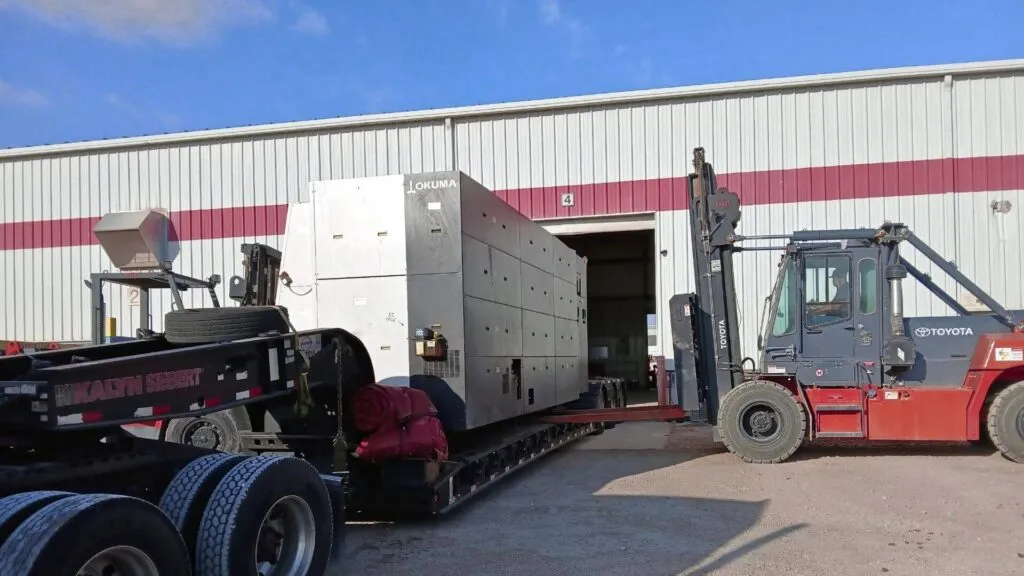
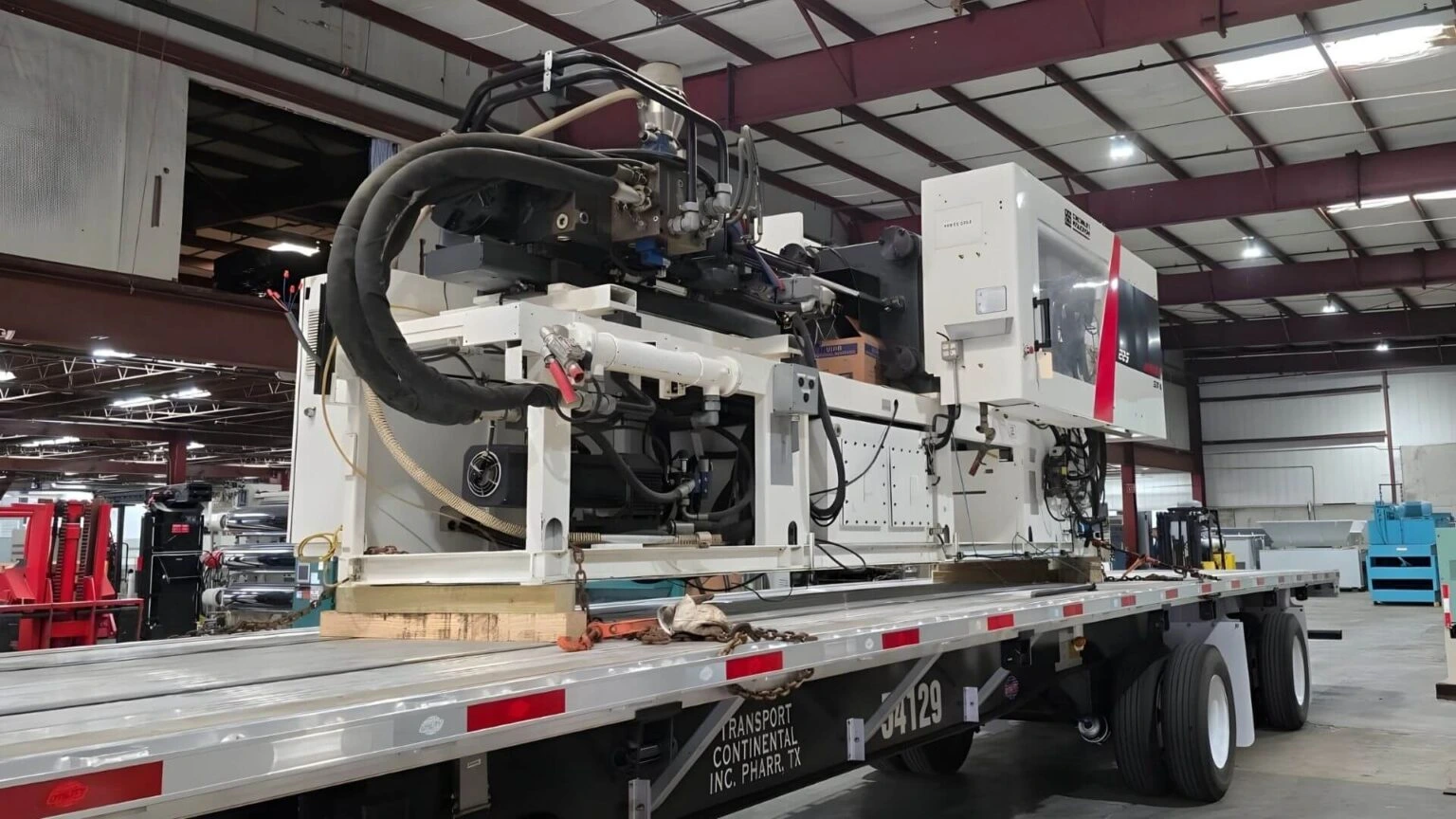
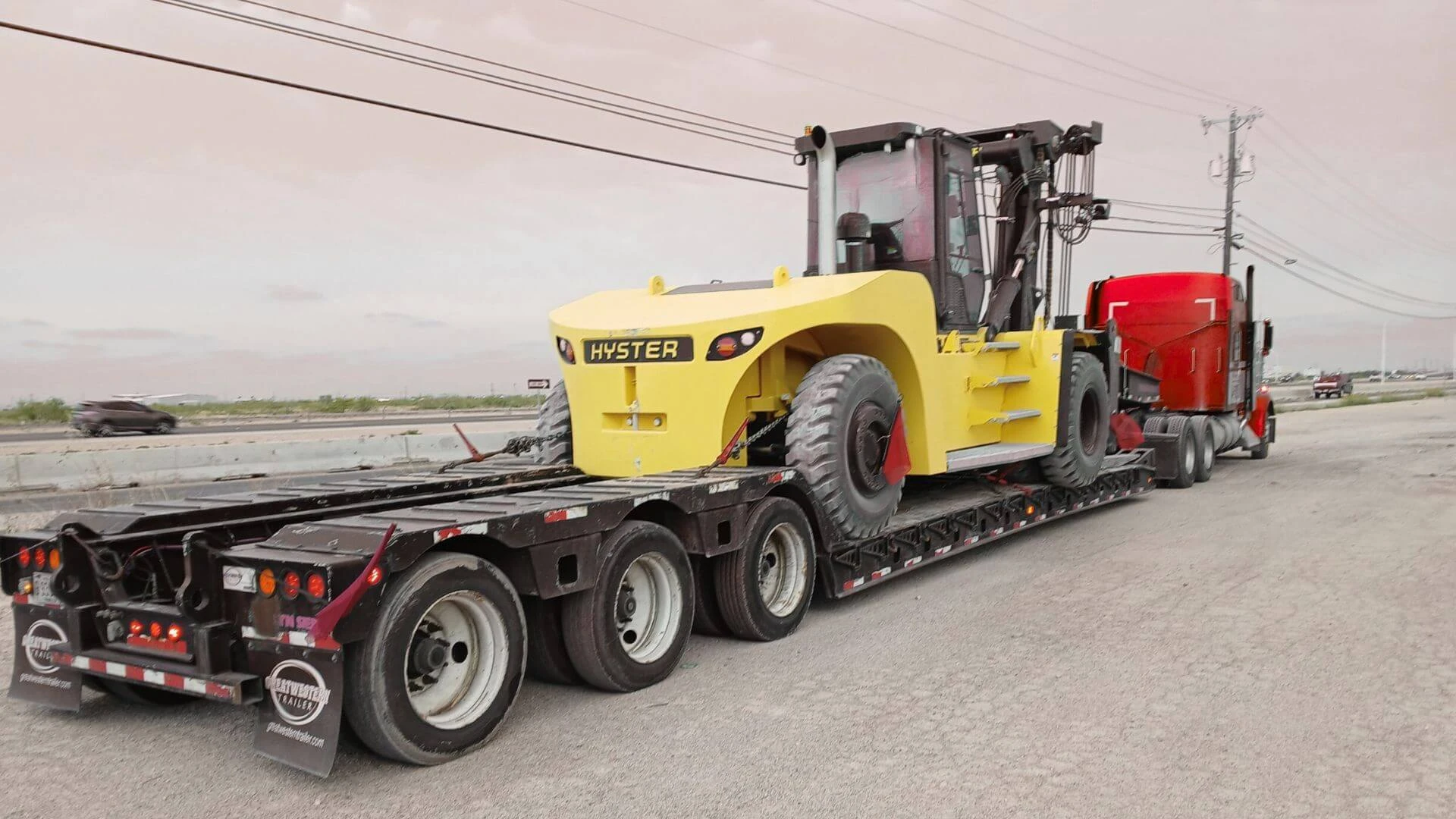
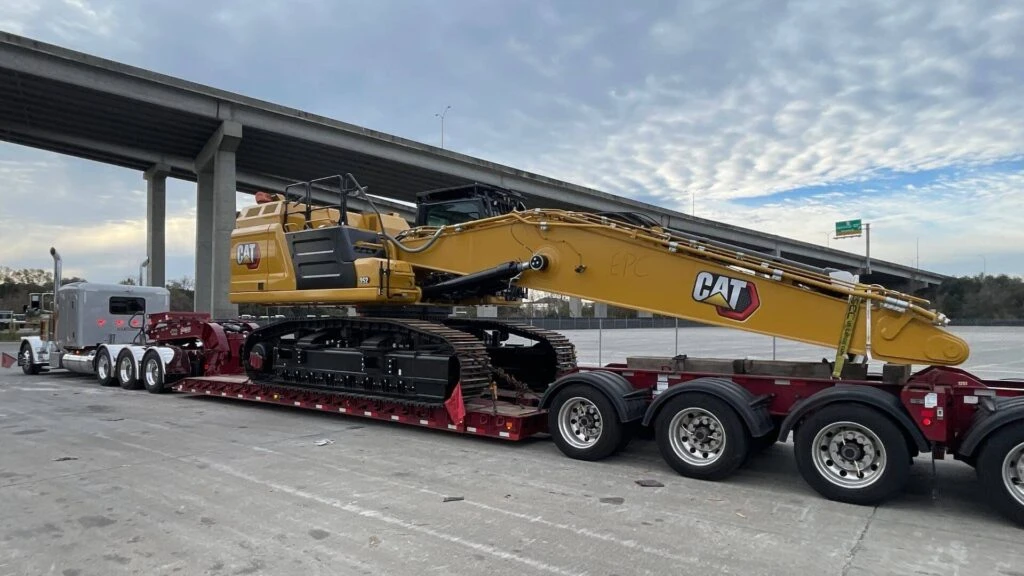
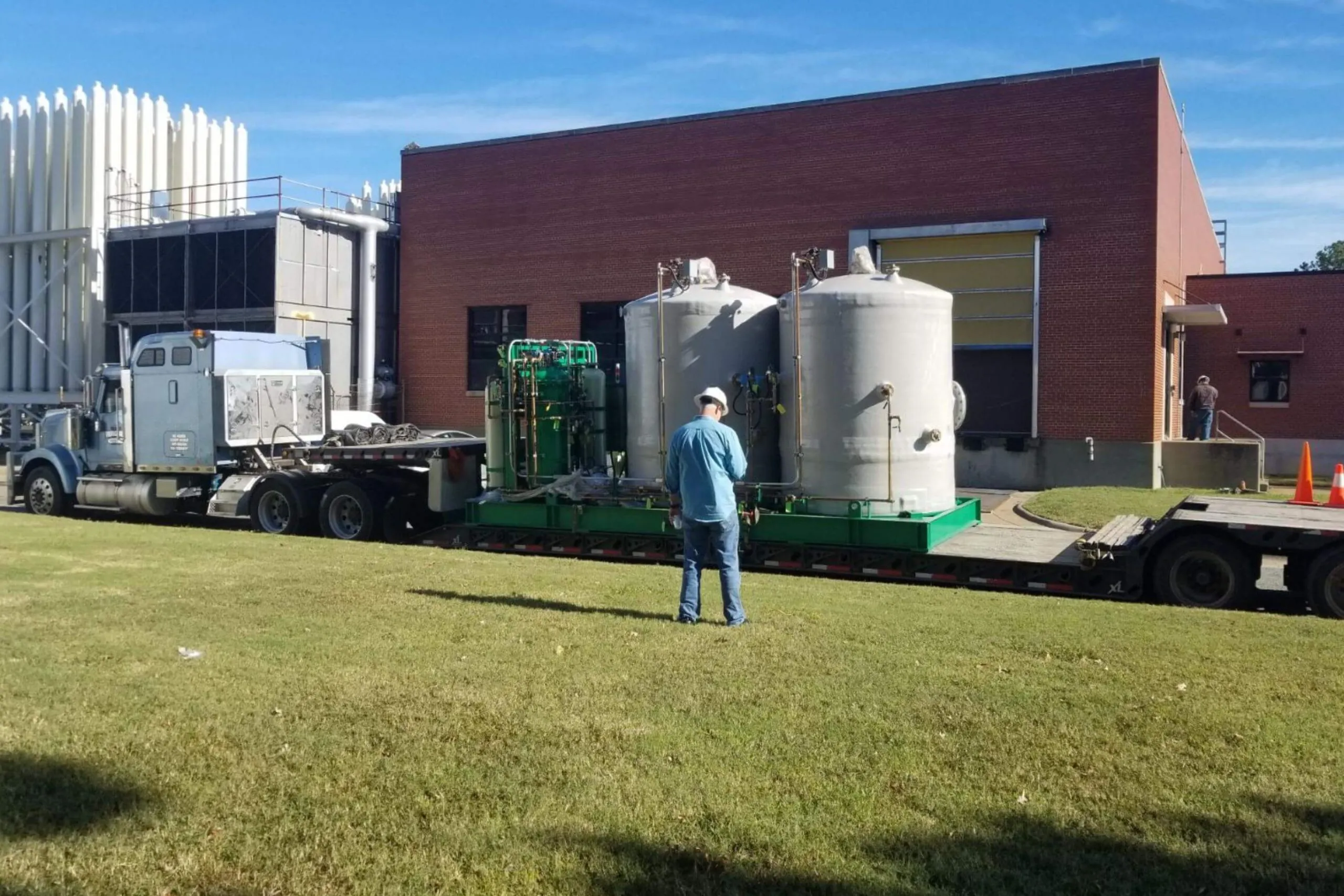
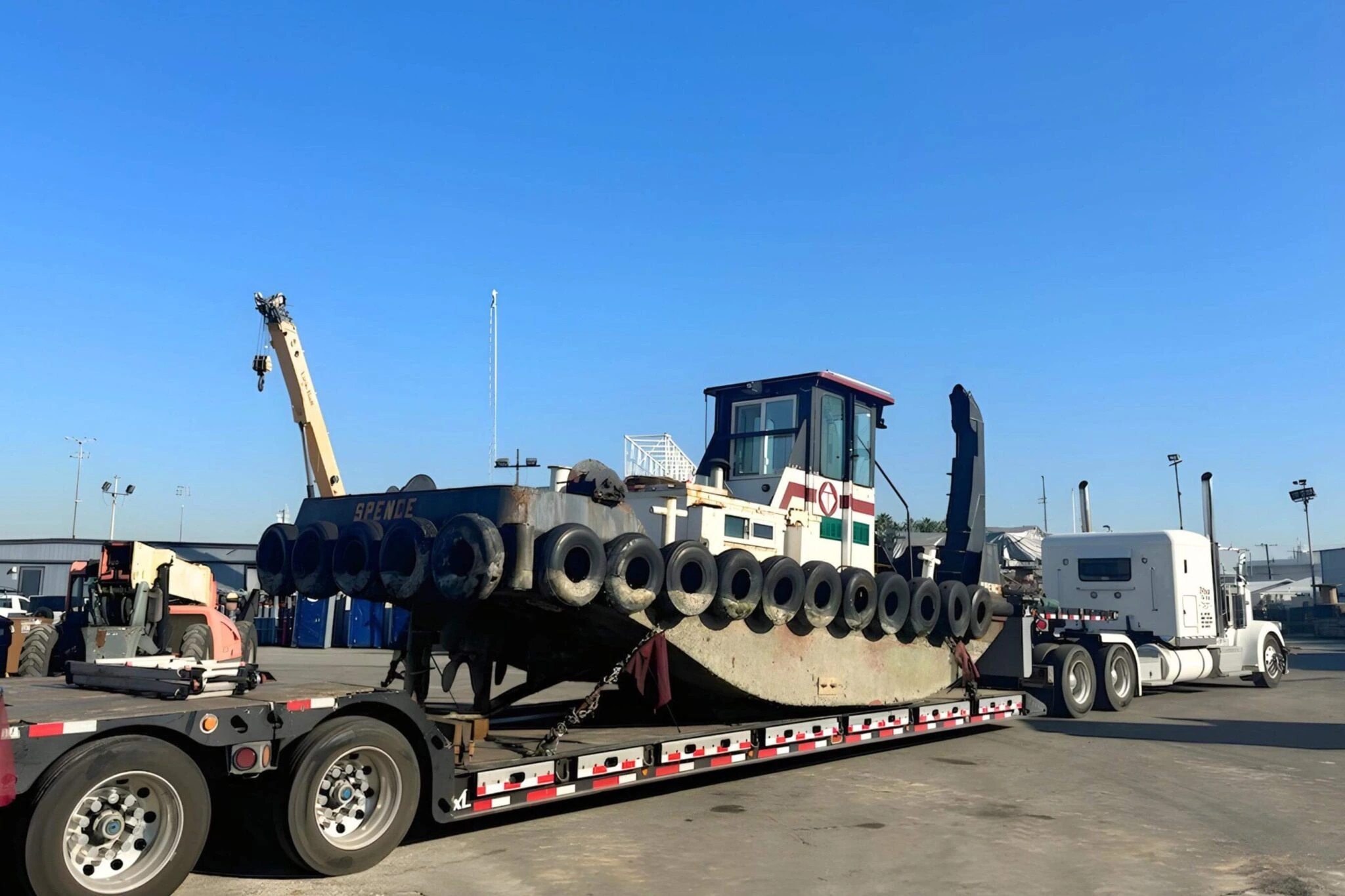
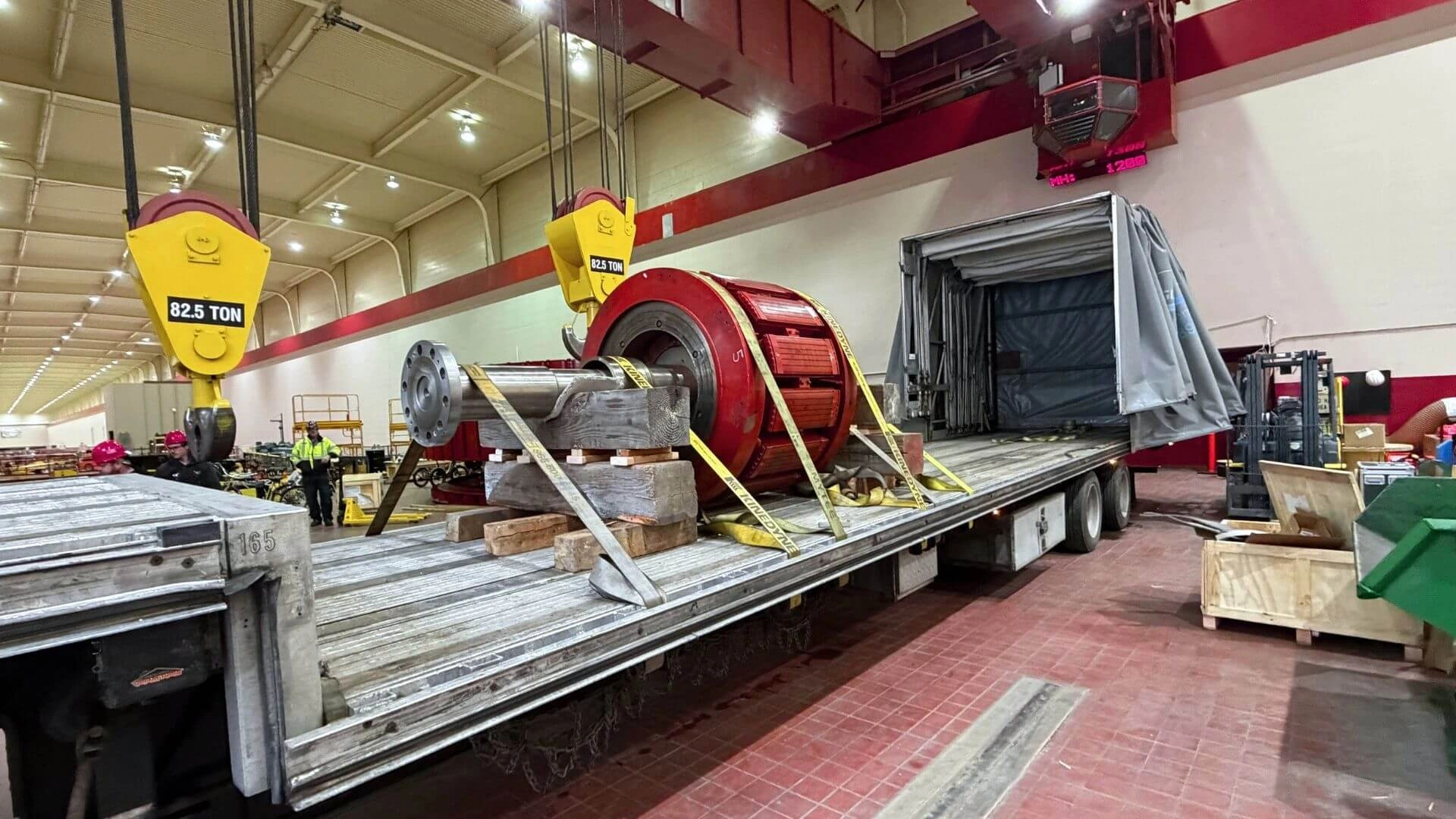
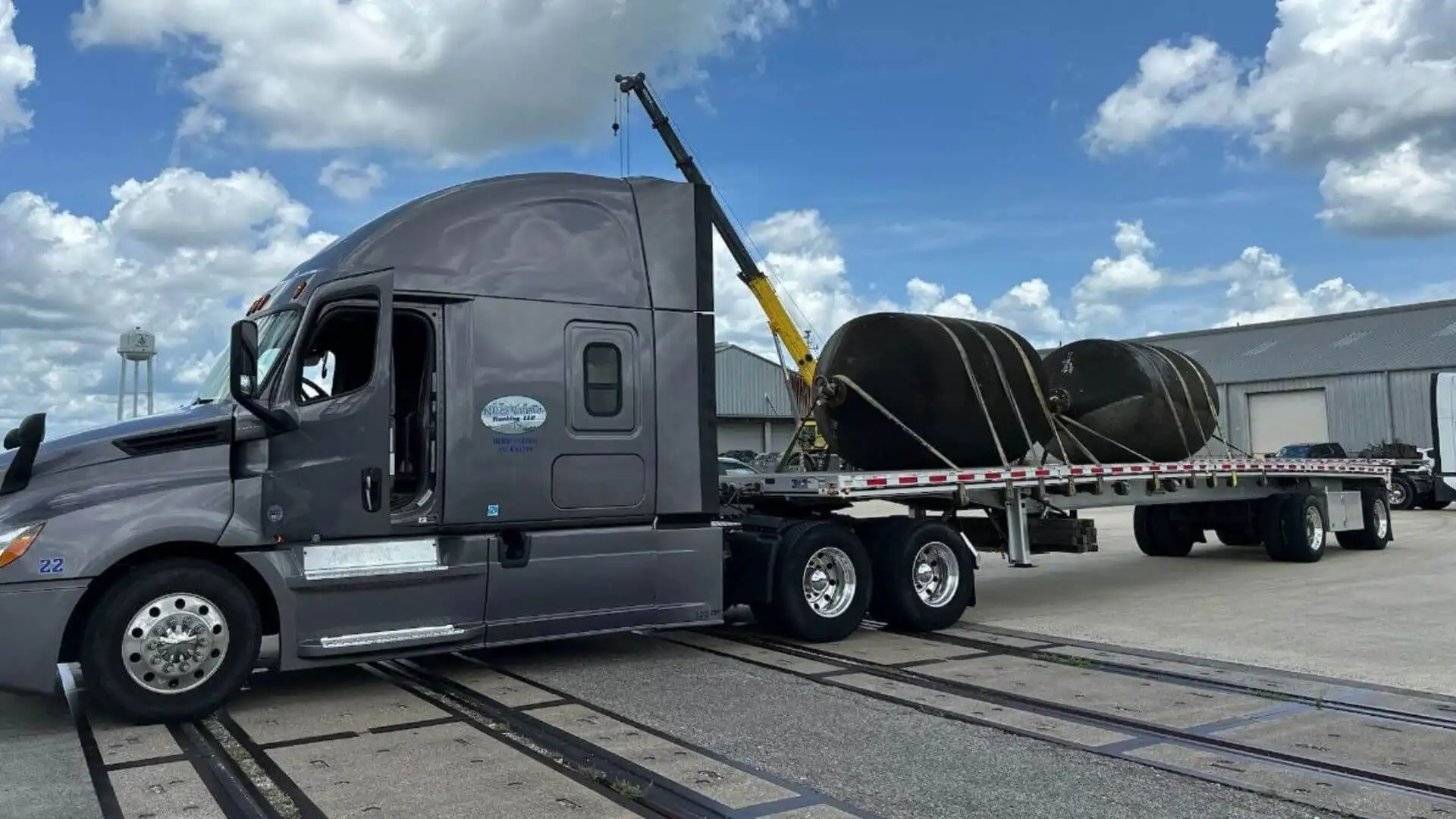
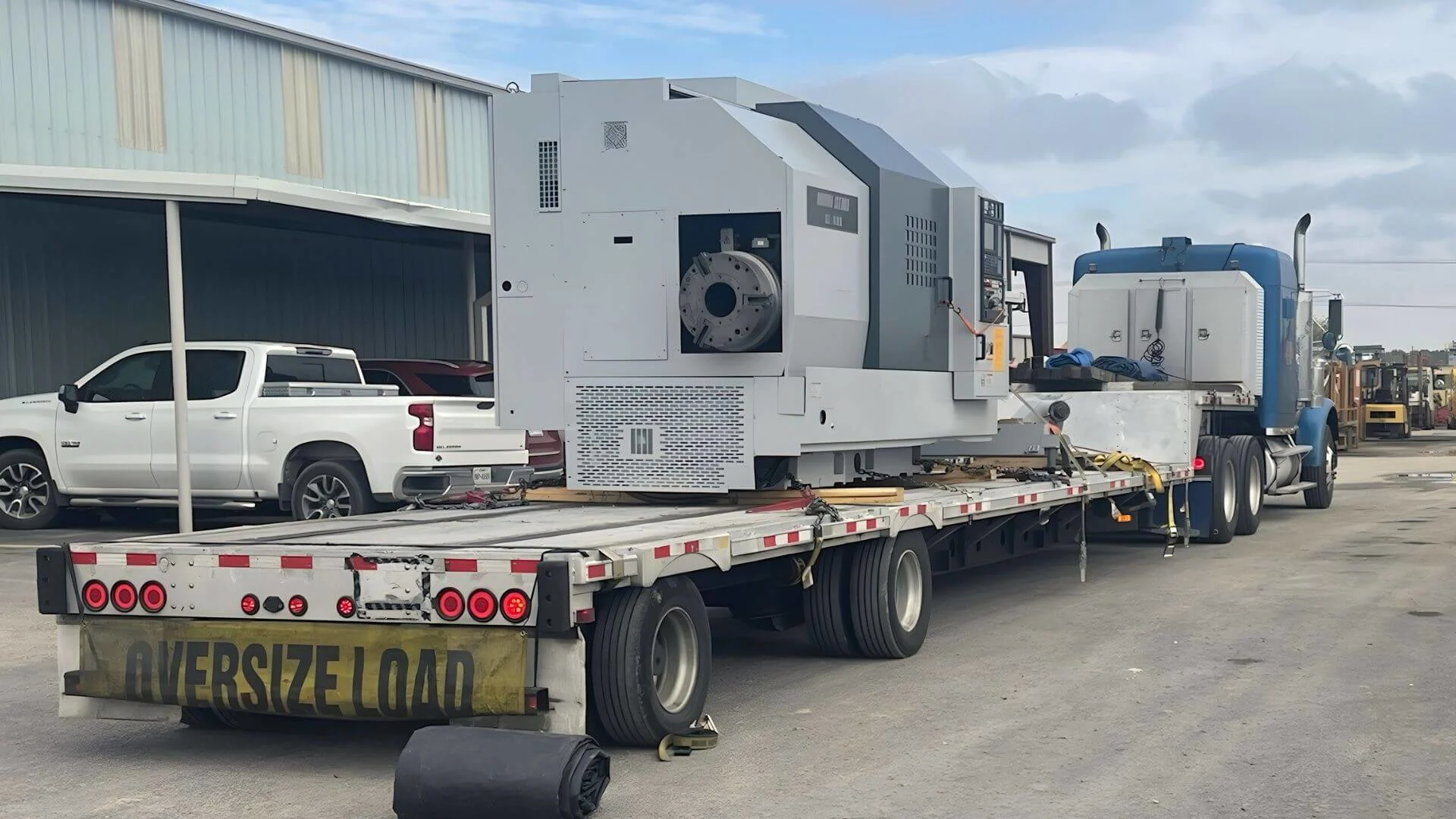
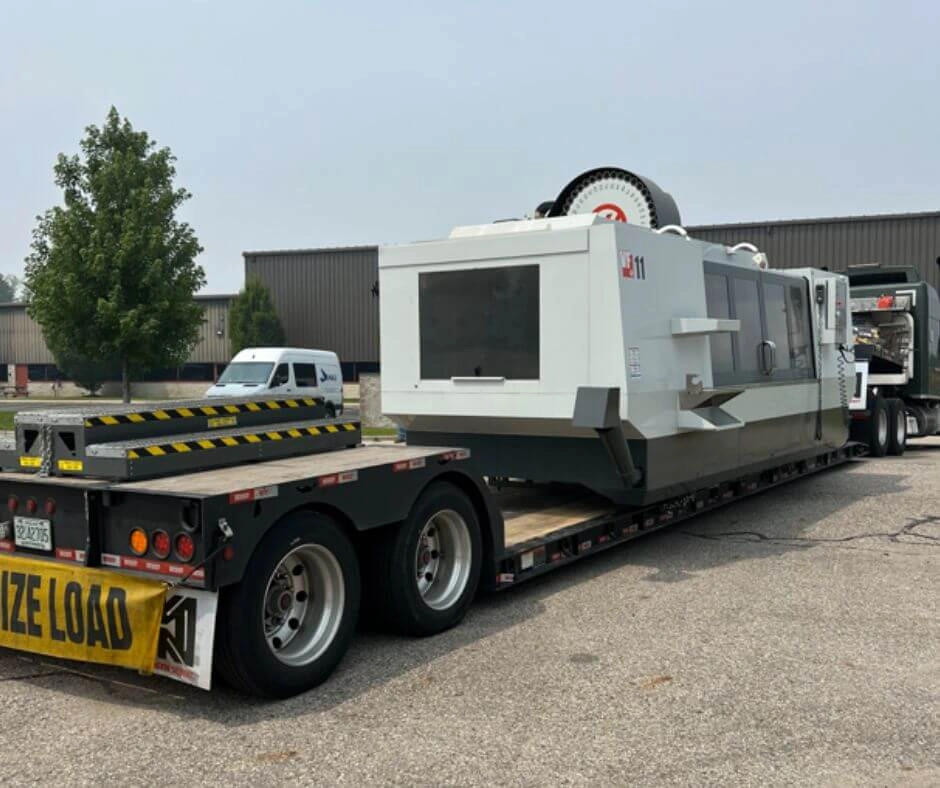
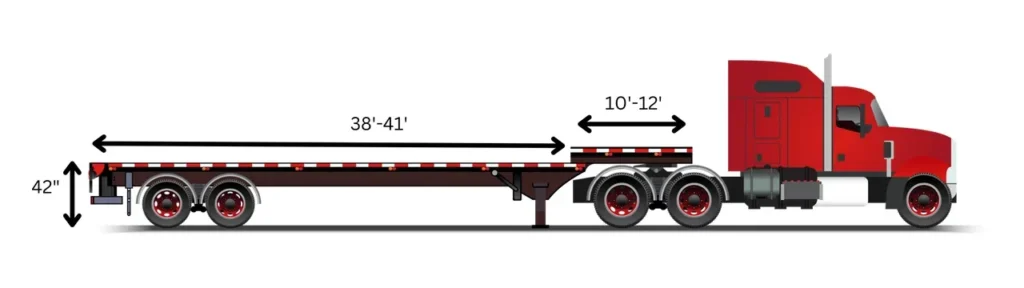
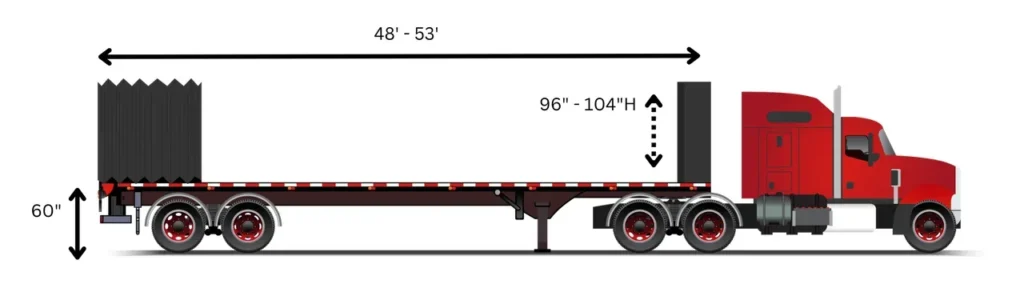
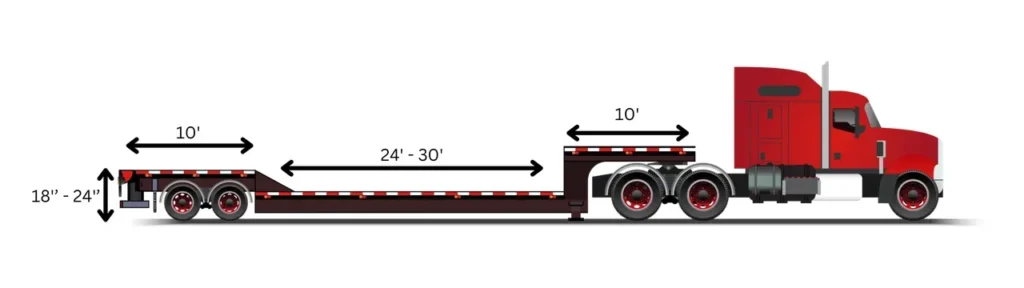
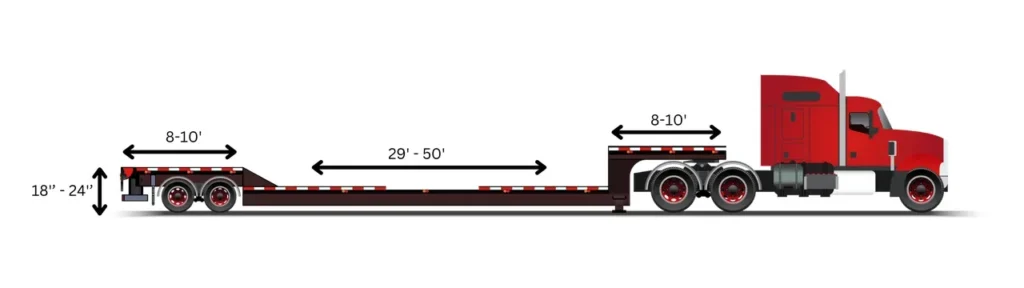
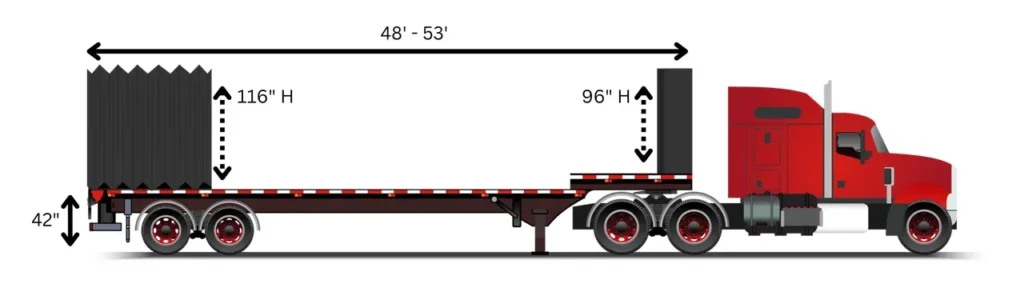
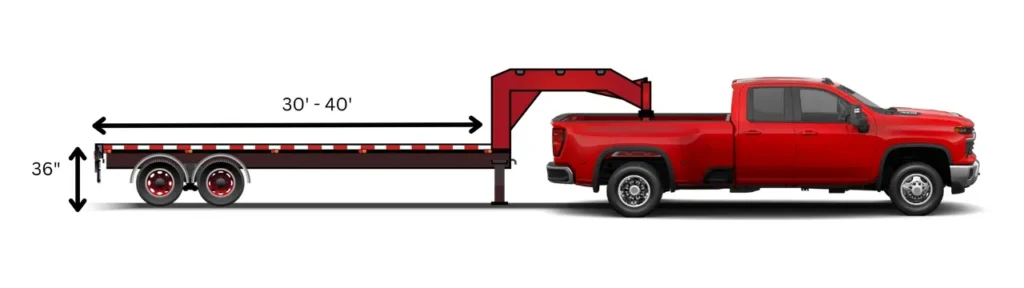
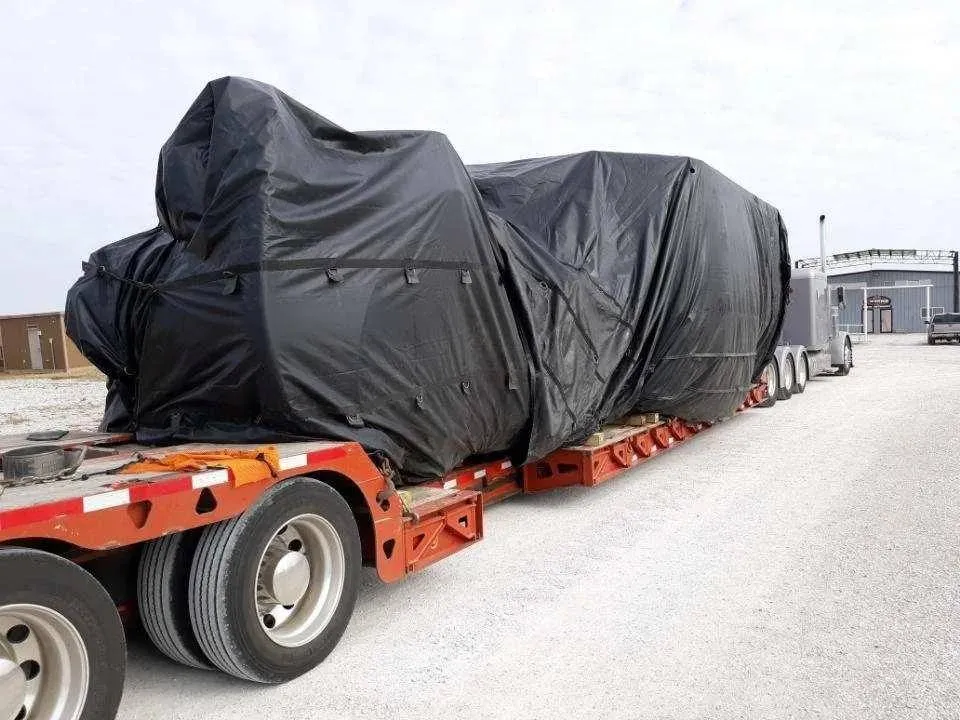
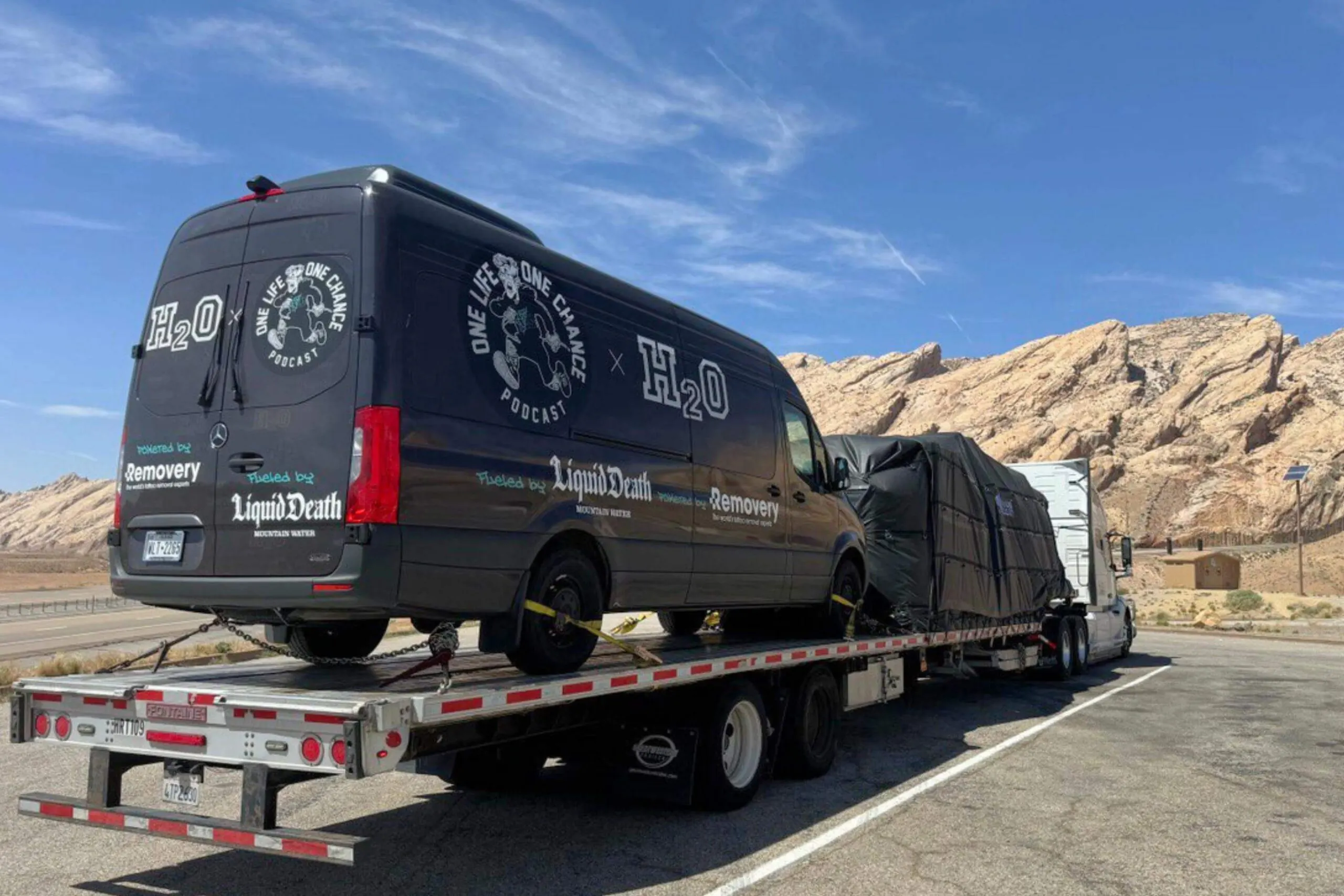
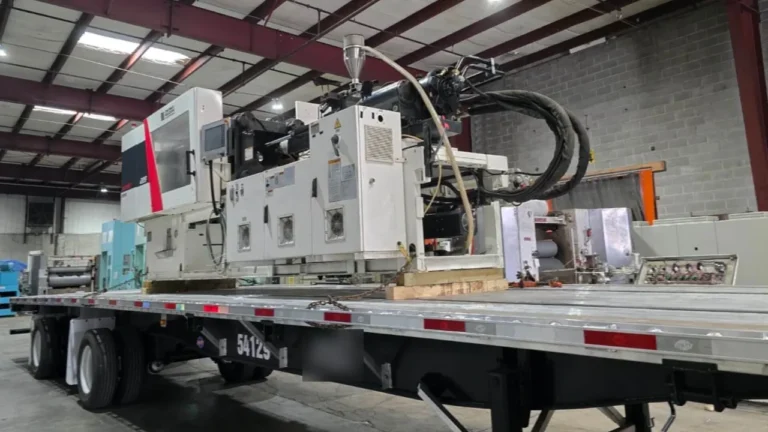
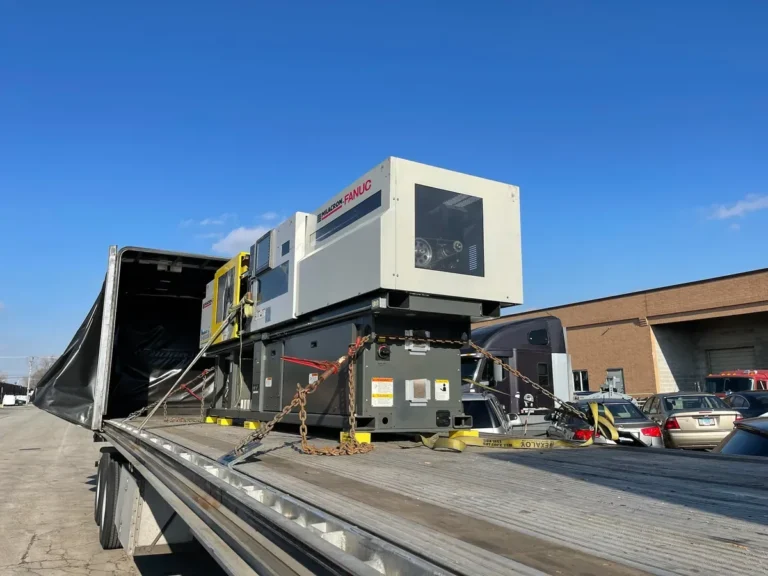
When a machine or piece of equipment exceeds legal size or weight on either side of the border, the Abound team treats it as a planned heavy-haul file, not a standard freight booking. Buyers get a clearer path when they send complete specs up front: length, width, and height (L × W × H), weight, whether the piece is crated or skidded, how it will be loaded (dock, forklift, crane, or rigger), and what the pickup and delivery sites allow for trailer access, turnaround, and overhead clearance.
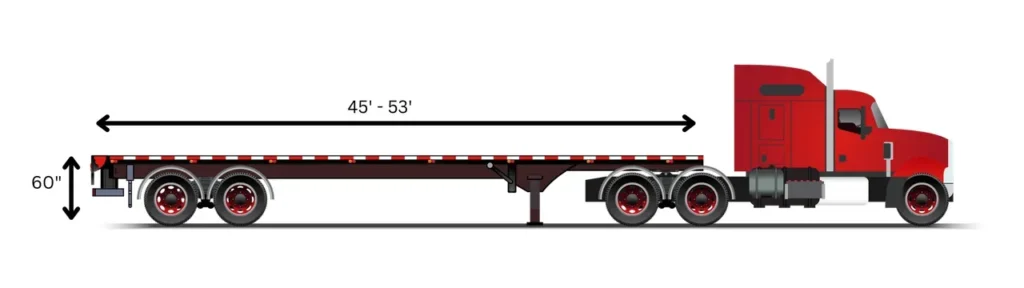
From those details we match a trailer with a carrier in our vetted network—often a step deck, double drop, RGN/lowboy, or stretch well—and review the route for height, weight, and construction limits. Oversize and overweight authority is issued separately by each U.S. state DOT along the route and by each Canadian province the load enters. In British Columbia, commercial oversize and overweight permits run through CVSE and onRouteBC. Alberta issues them through TRAVIS. Ontario’s MTO requires a permit when the combined vehicle and load exceed Highway Traffic Act limits on King’s highways, and municipal roads may need separate permission. Quebec’s MTQ special circulation permits apply when a load exceeds provincial size or weight rules.
We do not publish a single legal height, width, or weight that applies everywhere, because those thresholds, escort triggers, and travel-time windows are set by each issuing agency and written on the permits. When a permit requires escort or pilot cars, the assigned carrier or a permitted escort service runs those units. Daylight-only moves, weekend or holiday limits, and urban curfews are followed as the permit states. If a plant needs a rigger to pick, crib, or set the machine, the Abound team coordinates the freight around that window so the trailer, permits, and crew line up.
This section is general information, not legal advice. For typical trailer fits see our trailer dimensions guide. For oversize project work see heavy haul and oversize.