- USA, Canada & Mexico Transport Services
- Powered by Armstrong Transport Group
- Nationwide Carrier Network
Your quick-reference guide to standard trailer specifications for planning your next shipment.
Hotshot
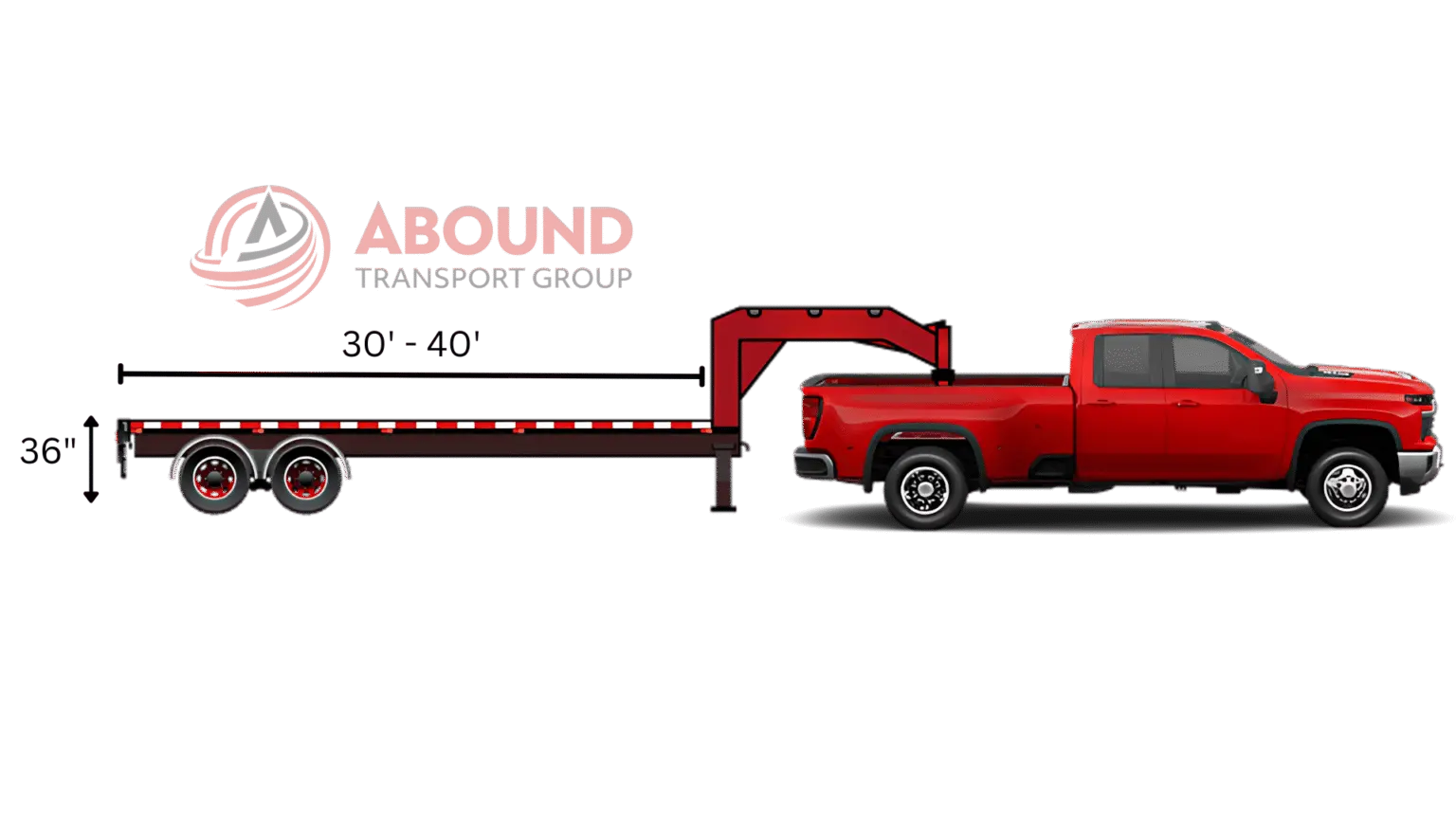
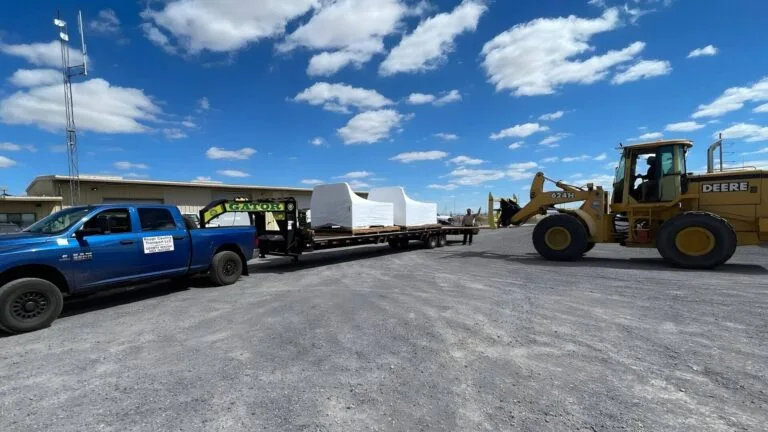
Hotshot trucking uses heavy-duty pickup trucks towing smaller flatbed or gooseneck trailers. Class 3 through 5 trucks like the F-350 and F-450 make this service nimble, fast to dispatch, and cost-effective for smaller urgent loads. Hotshot is the ideal solution for critical parts, smaller machinery, and time-sensitive regional freight that does not justify a full semi.
Trailer Length
Trailer Width
30′-40′
102″
Deck Height
Weight
36″
12,000 – 18,000 lbs
Flatbed
Trailer Length
Trailer Width
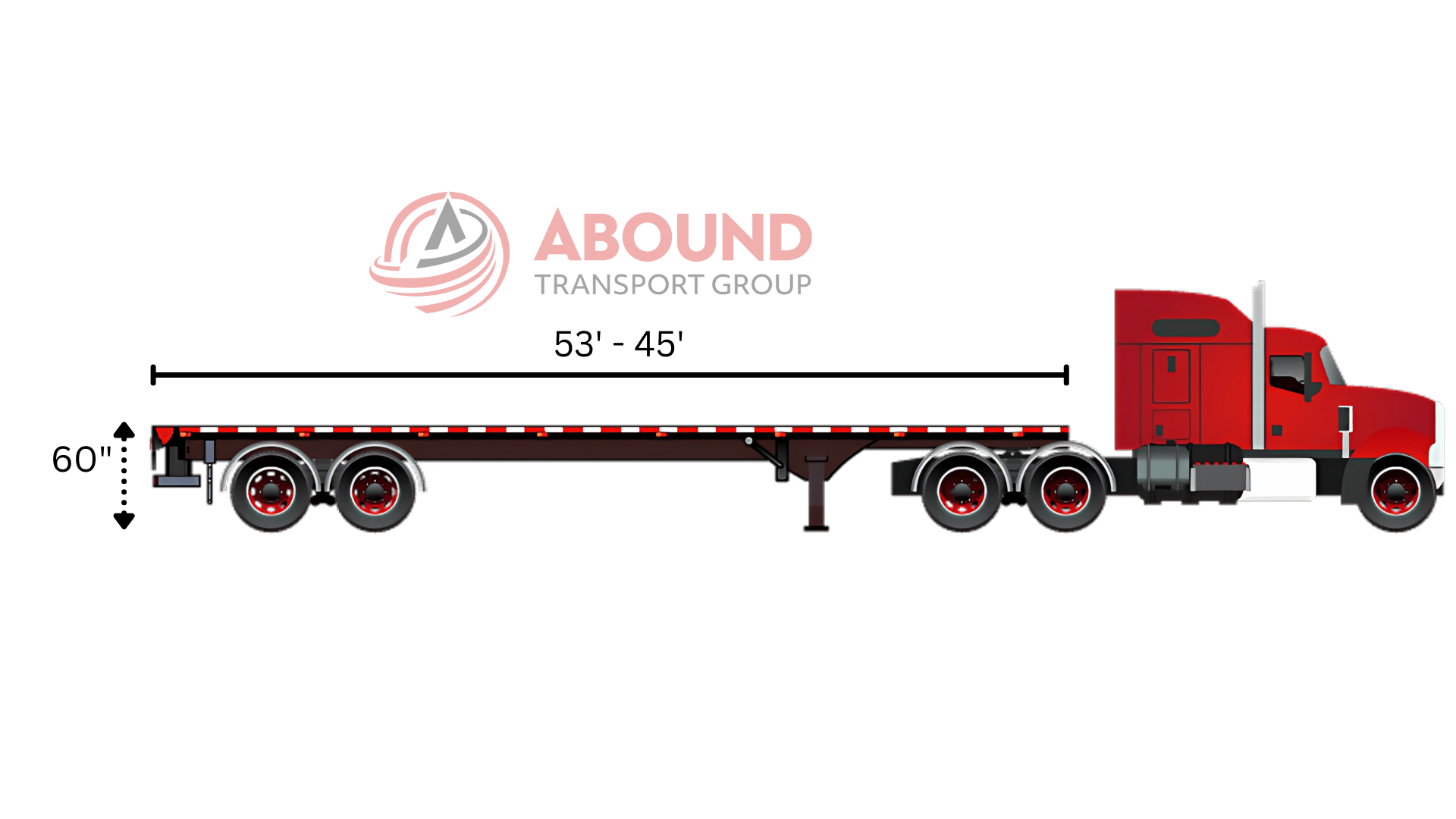
45′-53′
102″
Deck Height:
Weight
60″
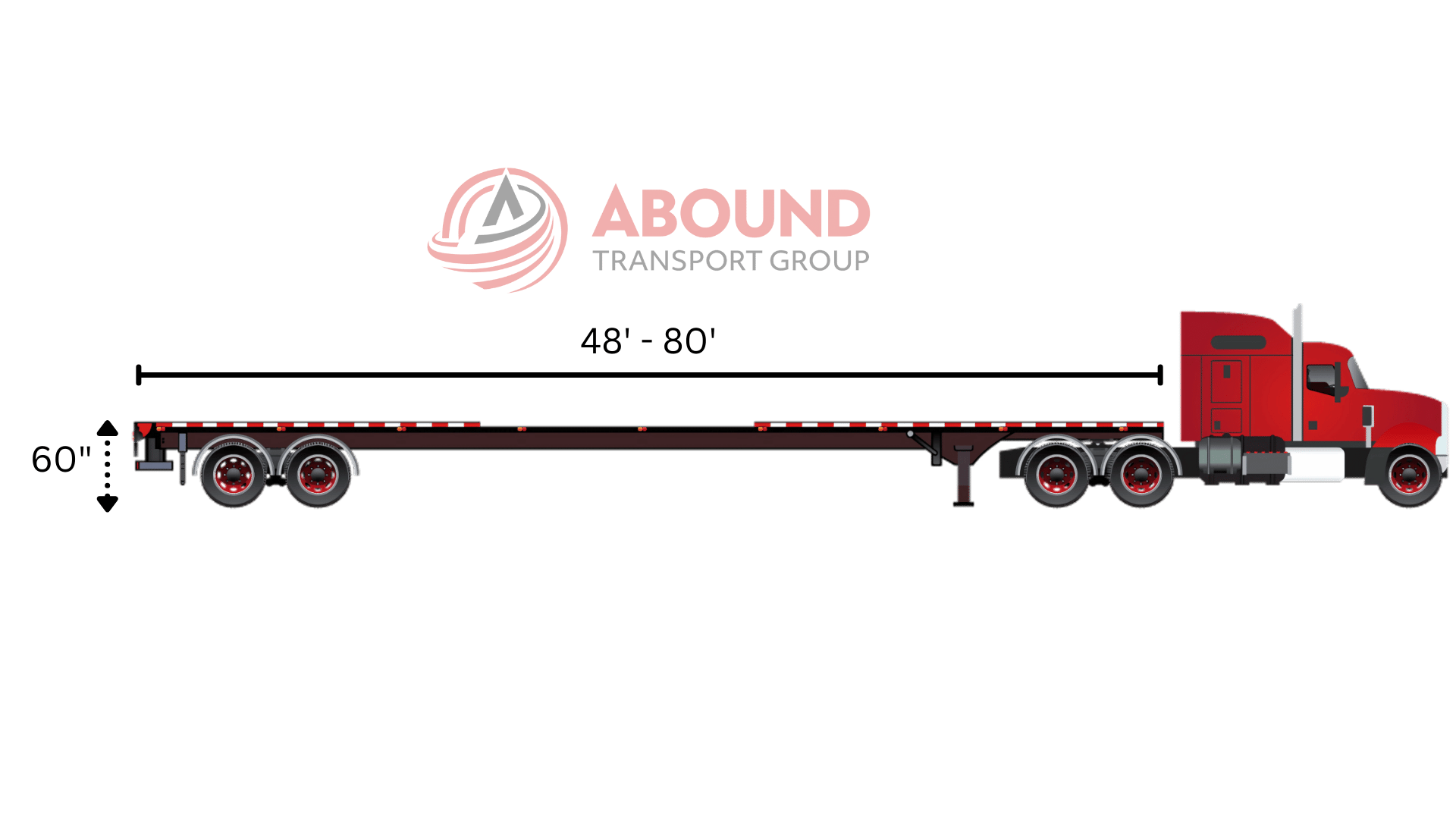
Flatbed Stretch
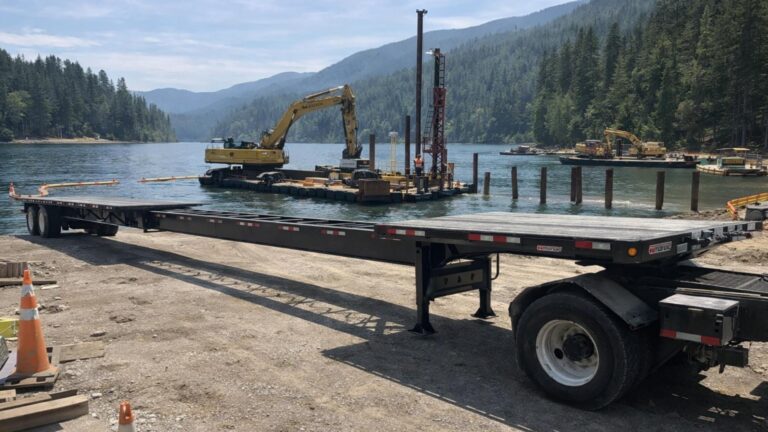
When your load is simply too long for a standard 53′ flatbed, the stretch flatbed extends the deck to eliminate unsafe overhang. The trailer slides out in sections, providing full structural support for long beams, pipe sections, wind turbine components, and bridge materials.
Trailer Length
Trailer Width
48′ – 80’+
102″
Deck Height
Weight
60″
~45,000 lbs
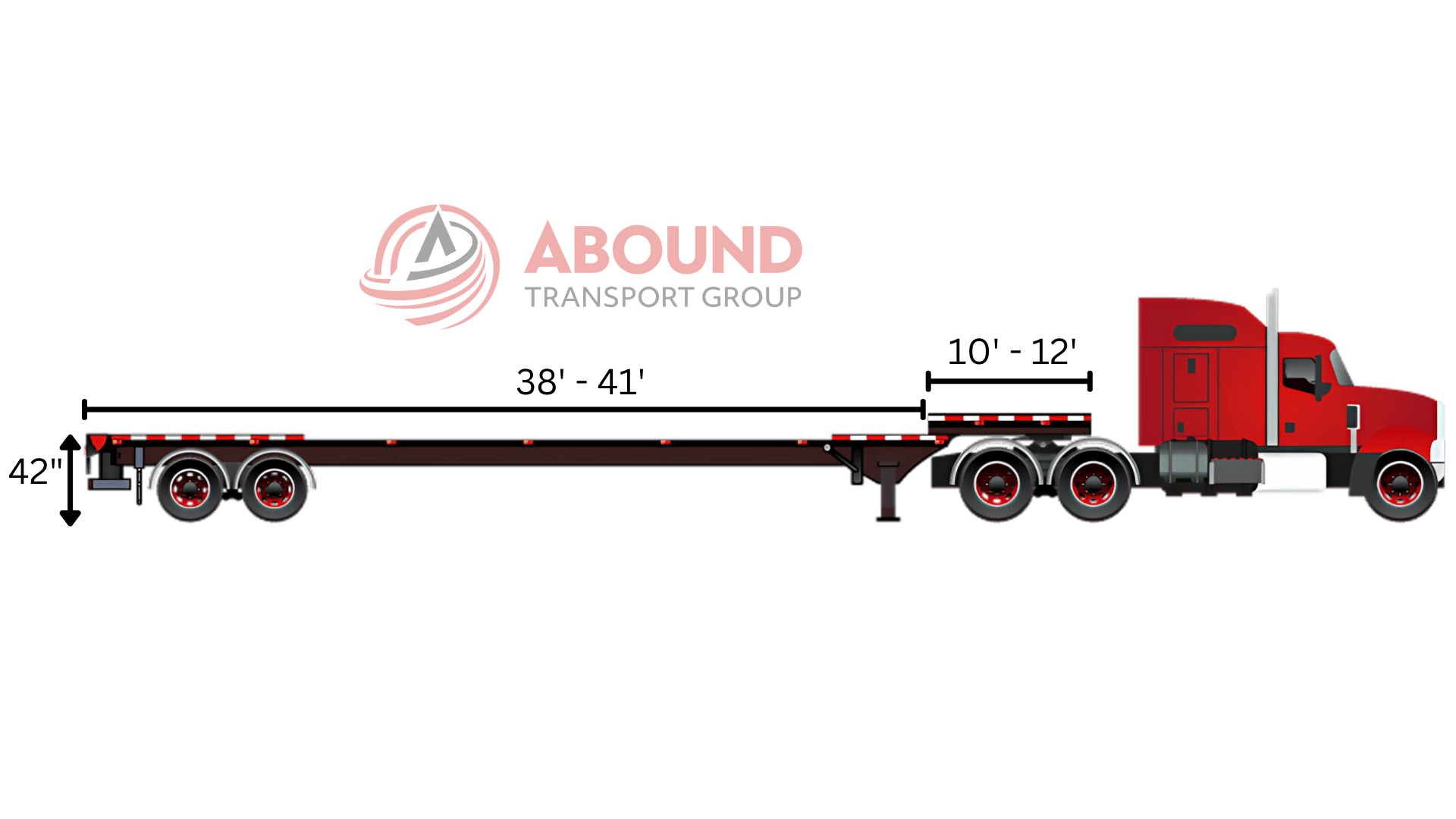
Stepdeck
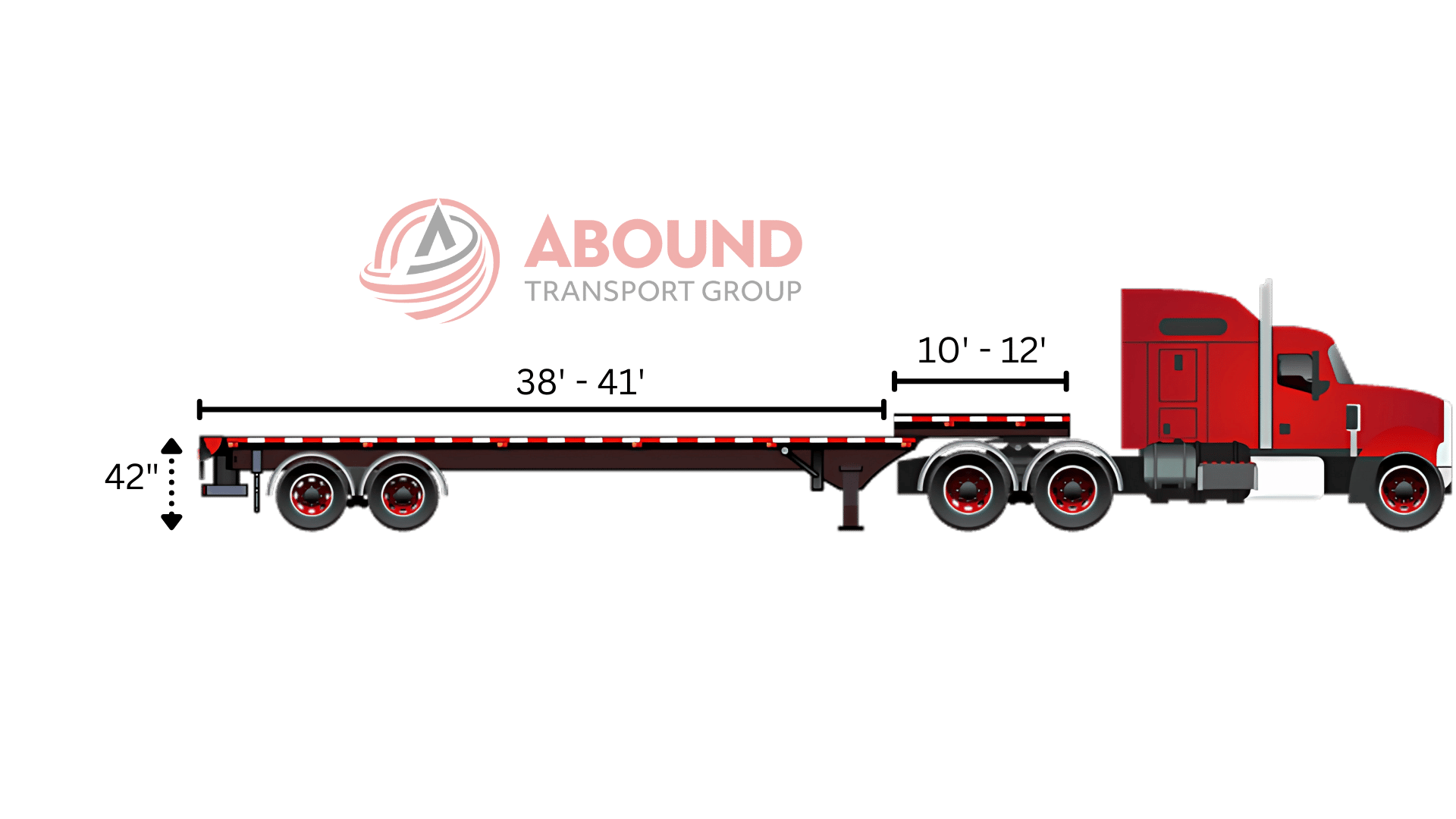
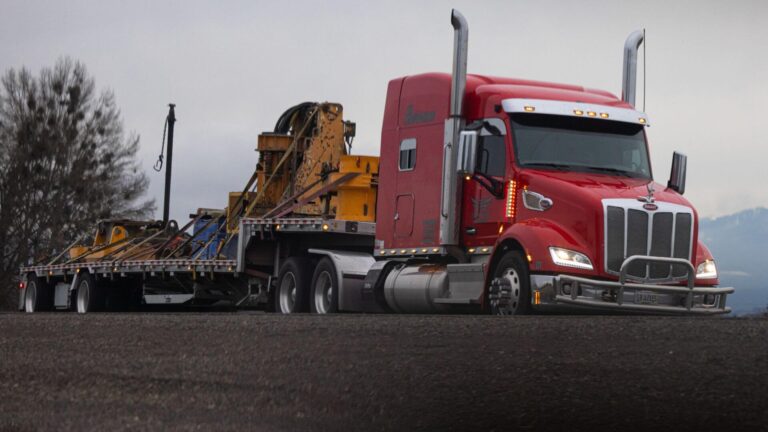
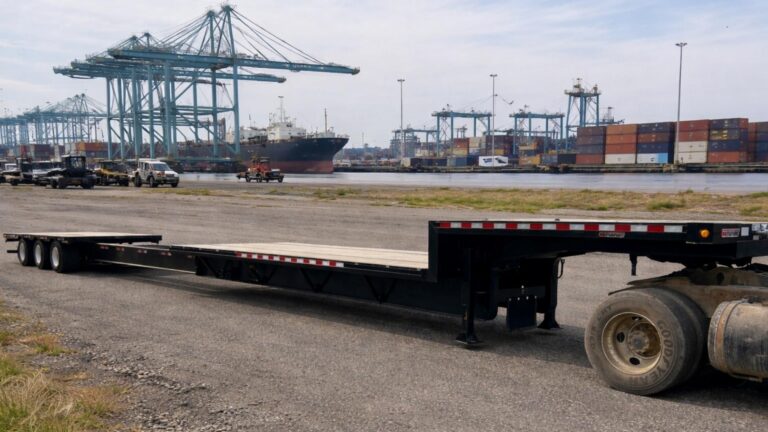
The step deck features an upper deck (approx. 11′) and a longer lower deck (37’–43′) that sits closer to the ground, allowing taller cargo to be transported legally without over-height permits. The go-to solution for equipment too tall for a flatbed.
Trailer Length
Trailer Width
48′-53′
Deck Height
Weight
42″
42,000-48,000 lbs
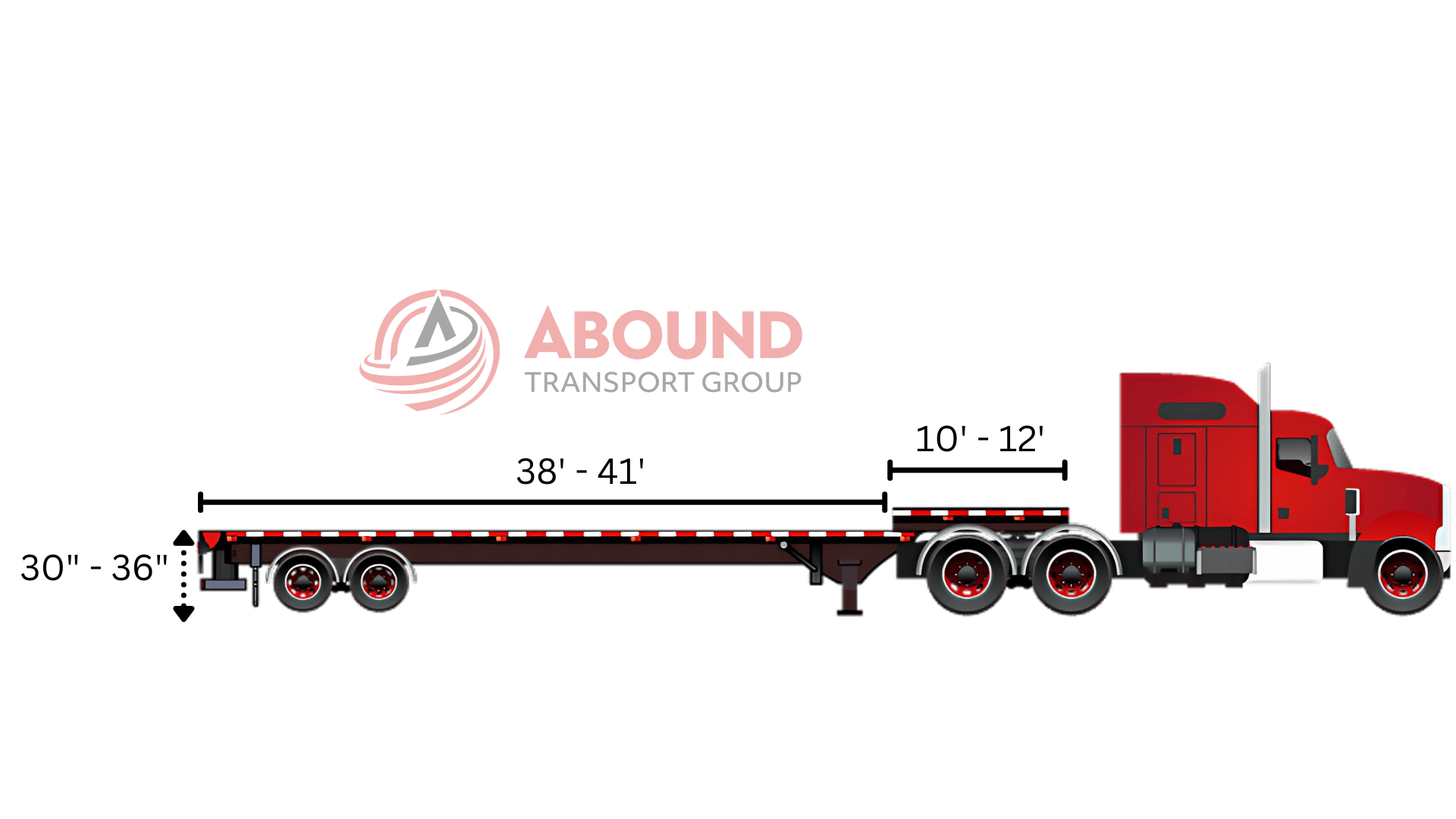
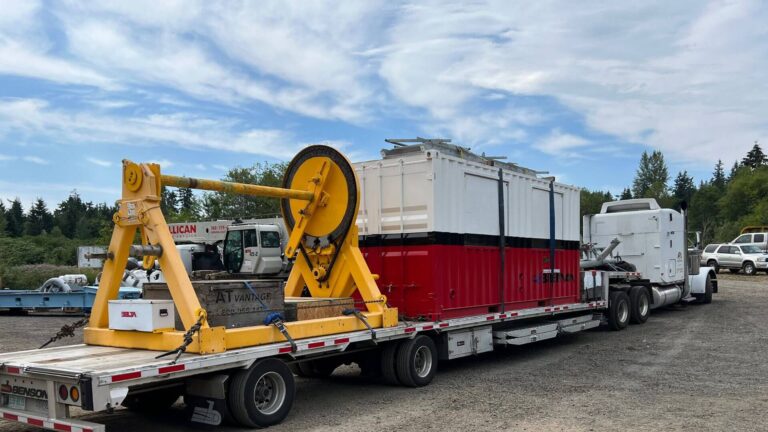
Low Profile Stepdeck
Trailer Length
Trailer Width
45′ – 53′
102″
Deck Height
Weight
30″-36″
42,000-48,000 lbs
Triaxle Stepdeck
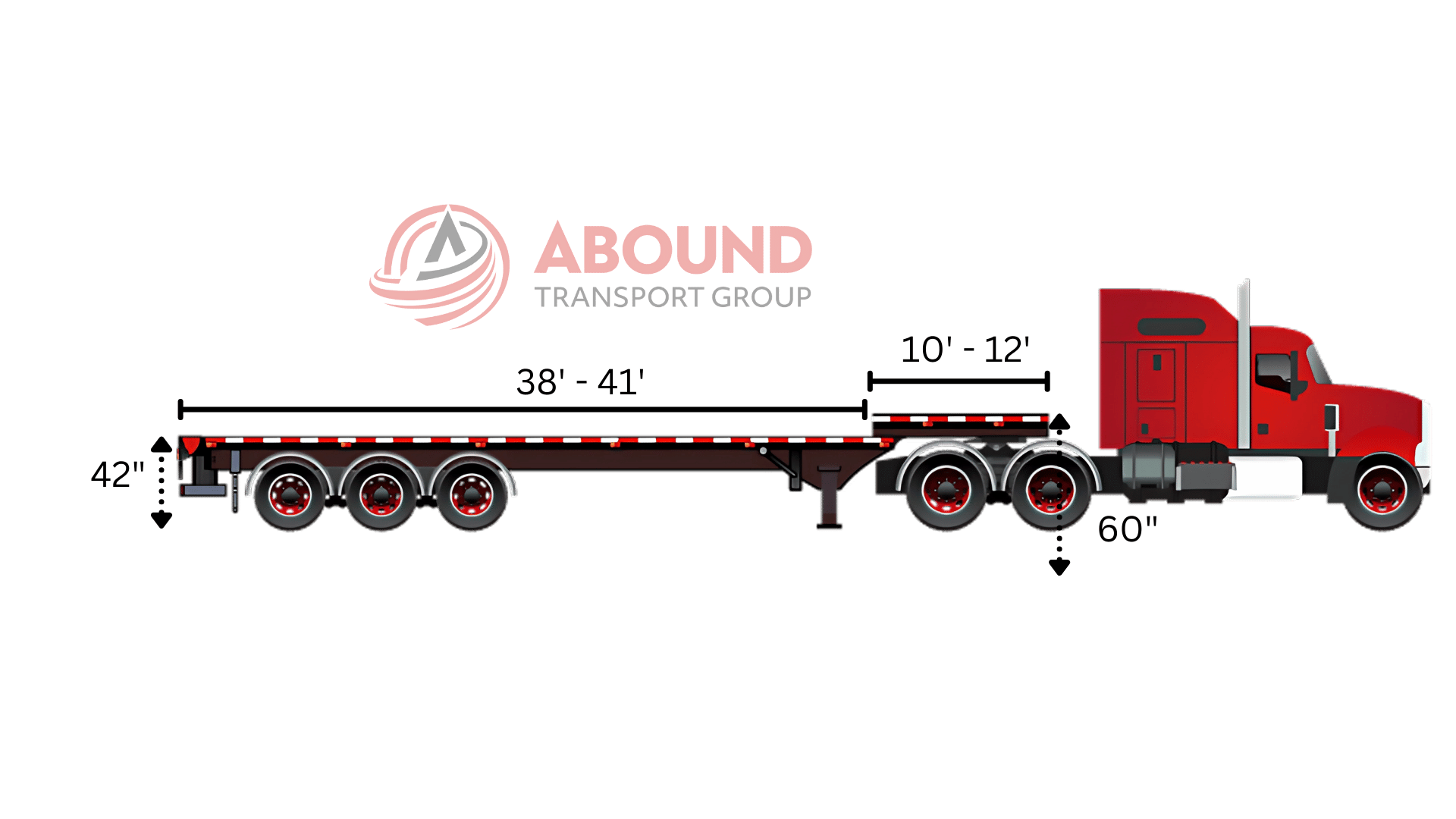
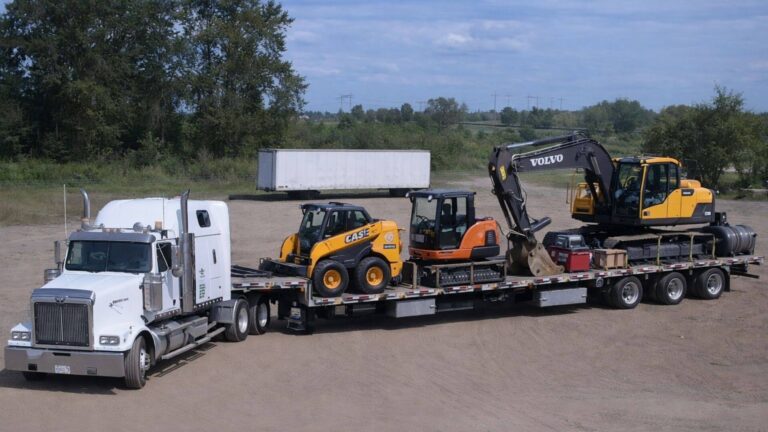
The step deck tri-axle trailer is a standard step deck outfitted with a third axle to distribute weight across more contact points. This configuration allows significantly heavier loads to be transported legally. It serves as an economical middle ground between a standard step deck and an RGN for heavy equipment that does not require a full RGN configuration.
Trailer Length
Trailer Width
45′-53′
102″
Deck Height
Weight
42″
40,000-75,000 lbs
Stepdeck Stretch
Trailer Length
Trailer Width
45′ – 53′
102″
Deck Height
Weight
42″
40,000 lbs
RGN
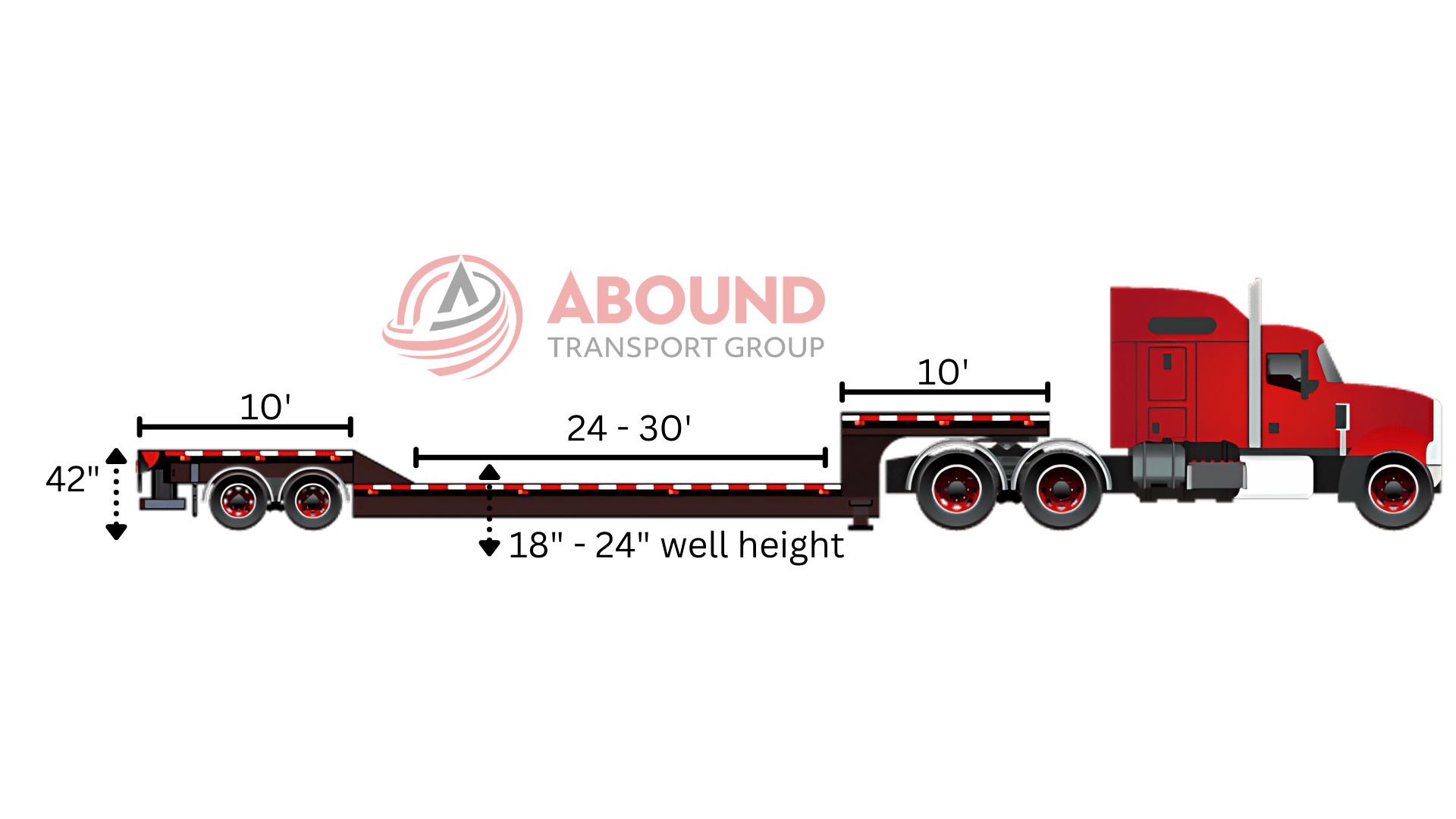
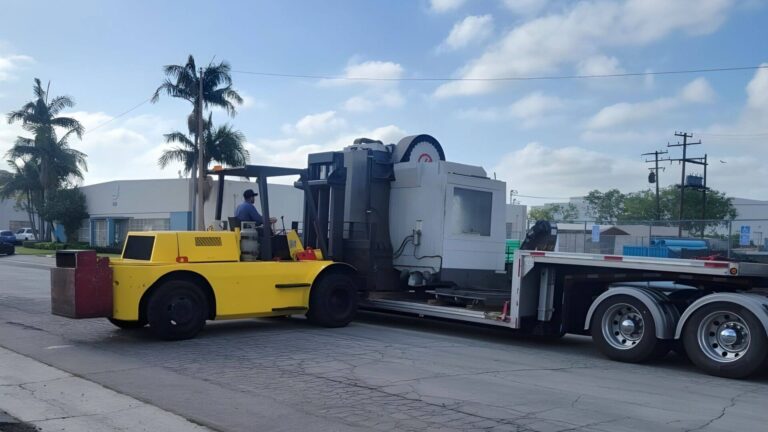
The RGN trailer features a detachable front gooseneck section that hydraulically lowers to ground level, creating a built-in drive-on loading ramp. Self-propelled equipment loads directly onto the trailer without a crane. Multiple axle configurations allow for extreme weight capacities, making the RGN the top choice for the heaviest and most oversized machinery.
Well Length
Trailer Width
24′-30′
102″
Well Height
Weight
18″-24″
42,000 – 100,000+ lbs
Double Drop
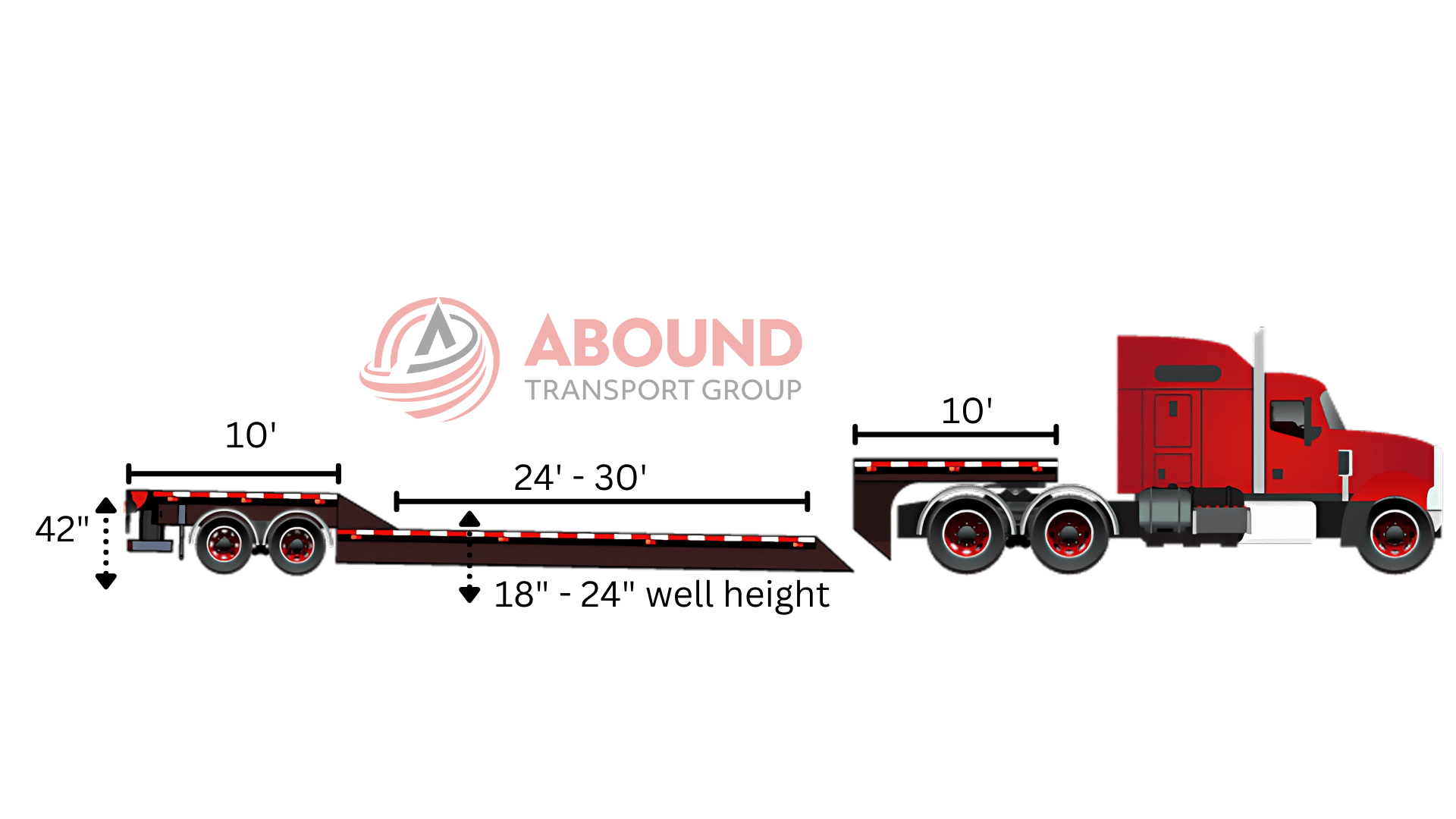
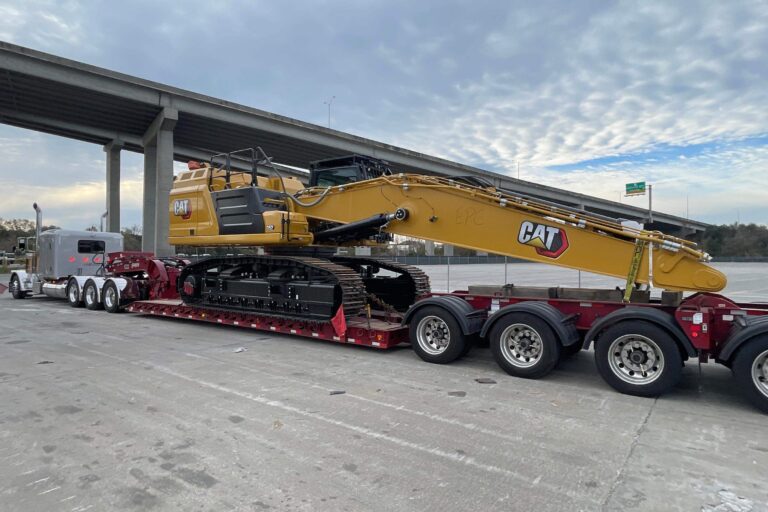
The double drop trailer features two drops in deck height, creating an ultra-low center well that sits just 18 to 24 inches off the ground. This design maximizes legal cargo height clearance without requiring height permits. Unlike the RGN, the gooseneck is typically fixed and loading is completed from the rear using ramps or a crane.
Well Length
Trailer Width
24′ – 30′
102″
Well Height
Weight
18″ – 24″
30,000 – 100,000+ lbs
Double Drop Extendable
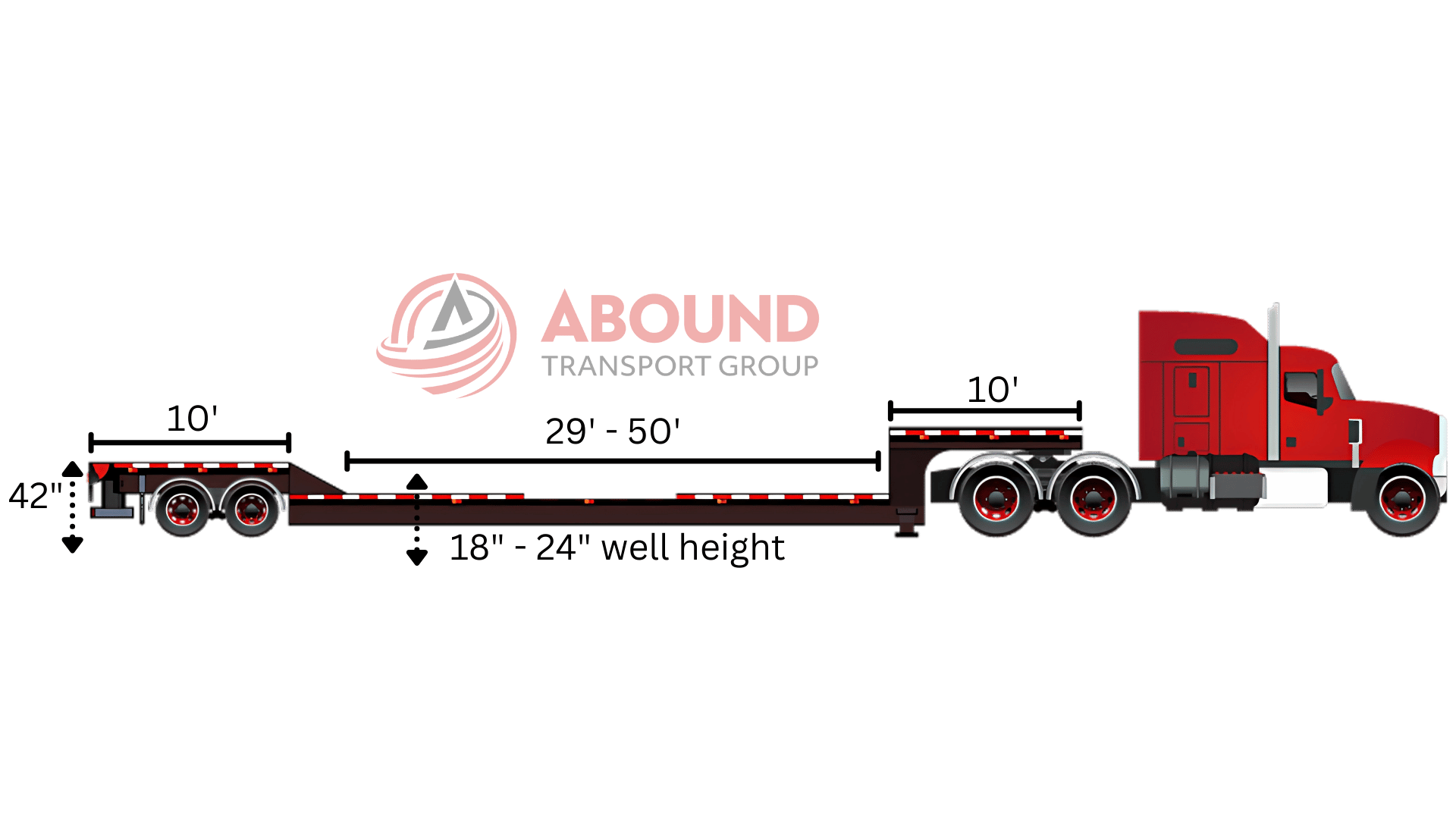
Well Length
Trailer Width
24′ -30′
102″
Well Height
Weight
18″ – 24″
30,000 – 100,000+ lbs
Conestoga Flatbed
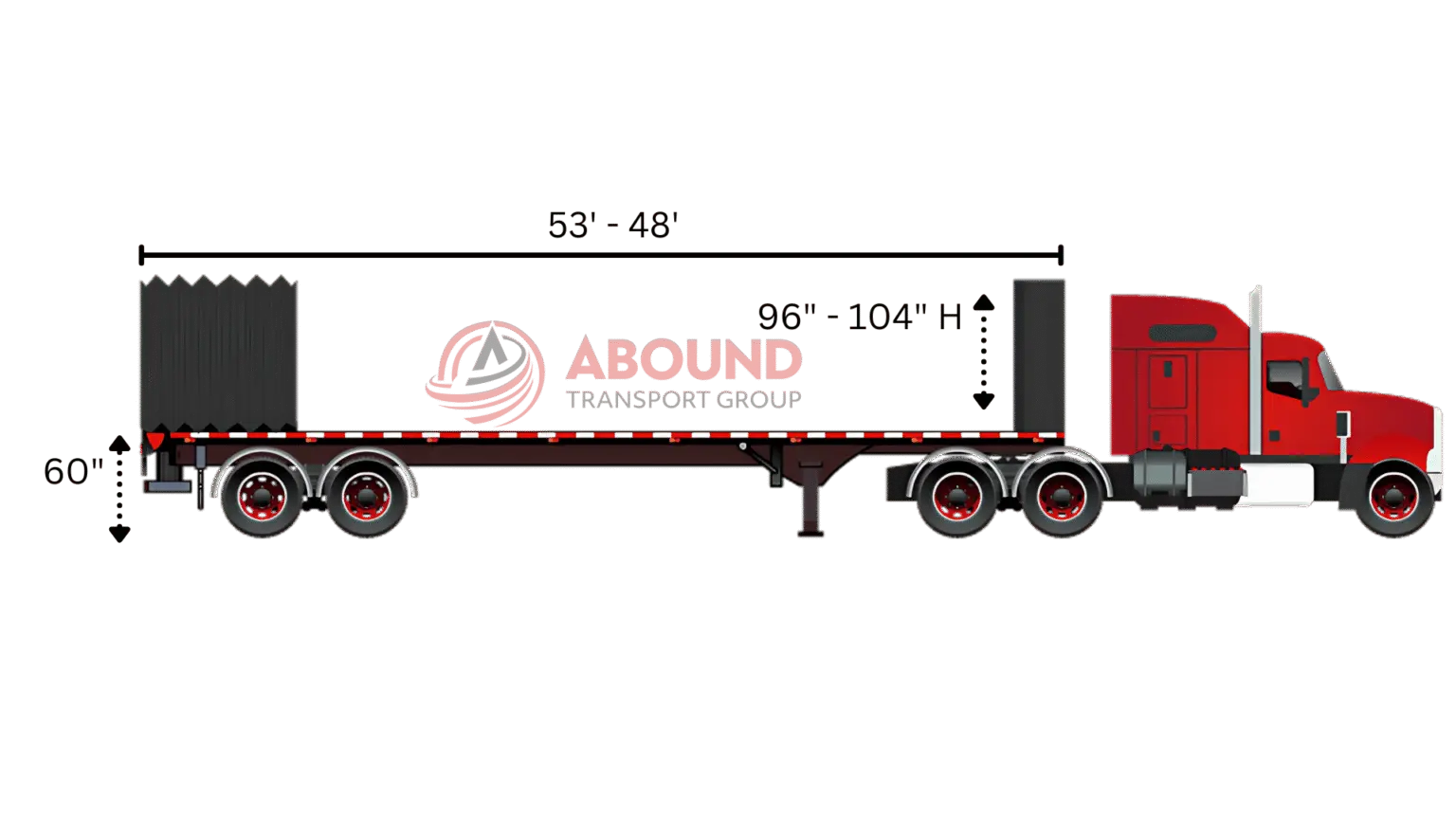
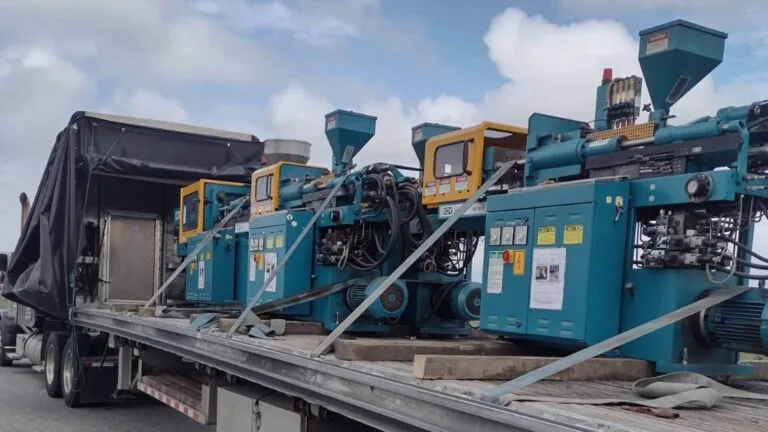
Conestoga flatbed trailers combine the versatility of an open deck with the protection of a covered trailer. The sliding tarp system allows for quick side, rear, or top loading while shielding freight from weather and road debris throughout transit.
This trailer is ideal for machinery, crated equipment, and high-value materials that require easy loading access without sacrificing freight protection.
Trailer Length
Inside Trailer Width
48’53’
102″
Inside Curtain Dims:
96″ – 104″
44,000 – 47,000 lbs
Conestoga Stepdeck
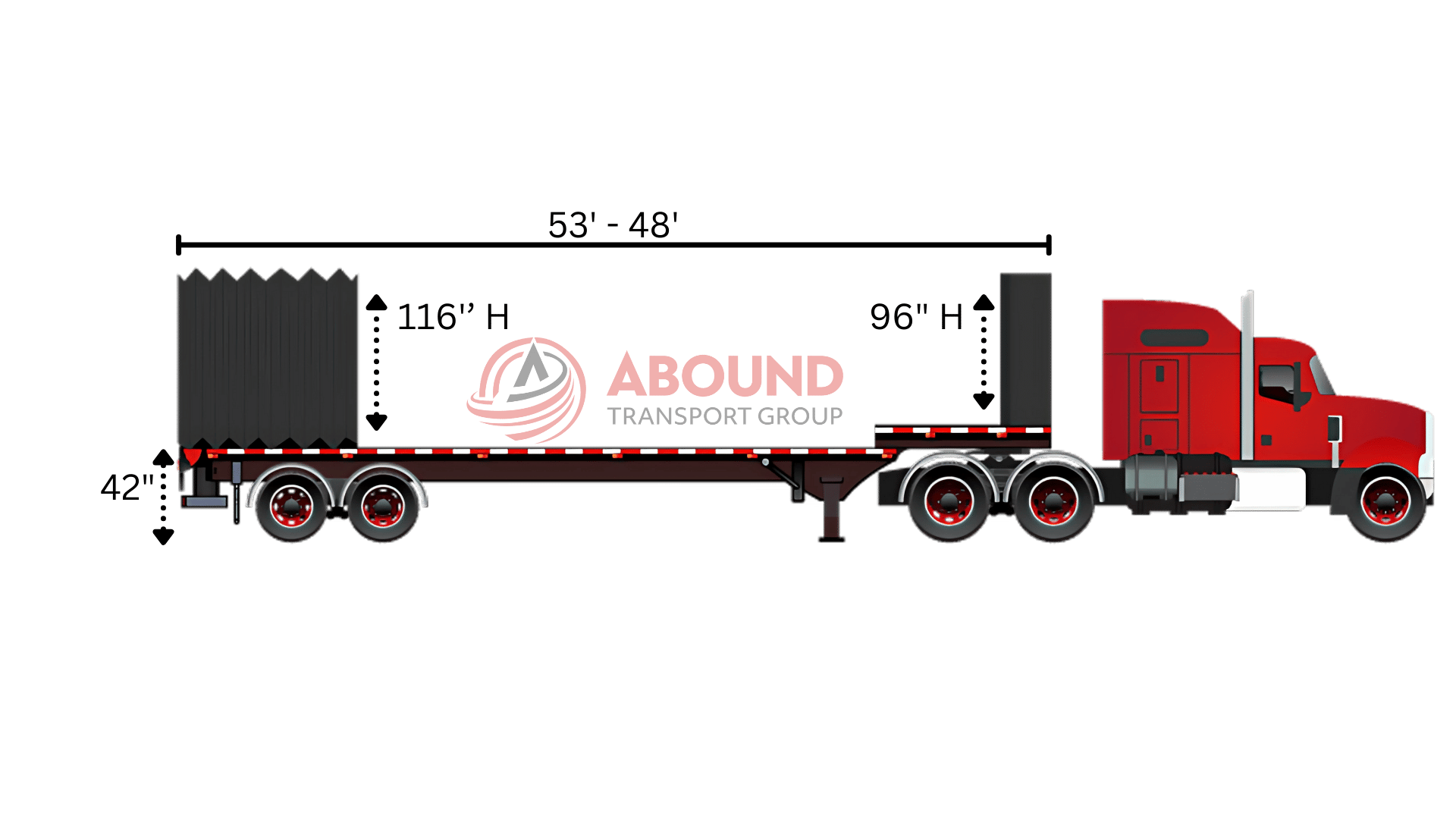
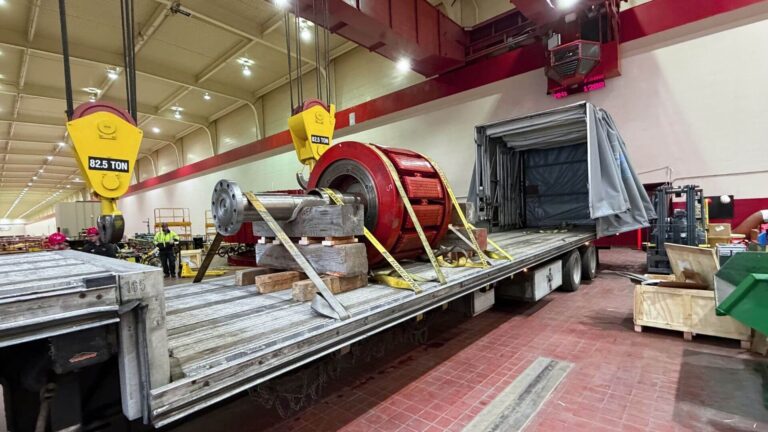
The Conestoga Step Deck features two loading levels: a shorter upper deck and a longer lower deck. This design makes it the go-to solution for taller freight that exceeds the height limits of a standard flatbed trailer. The retractable curtain system eliminates the need for manual tarping while keeping cargo fully protected throughout transit.
This trailer is a natural fit for CNC machinery, robotics, construction equipment, and other tall loads that ship without requiring an oversized height permit.
Trailer Length
Inside Width
48′ – 53′
Deck Height
Weight Cap.
42″
44,000 lbs
Conestoga Double Drop
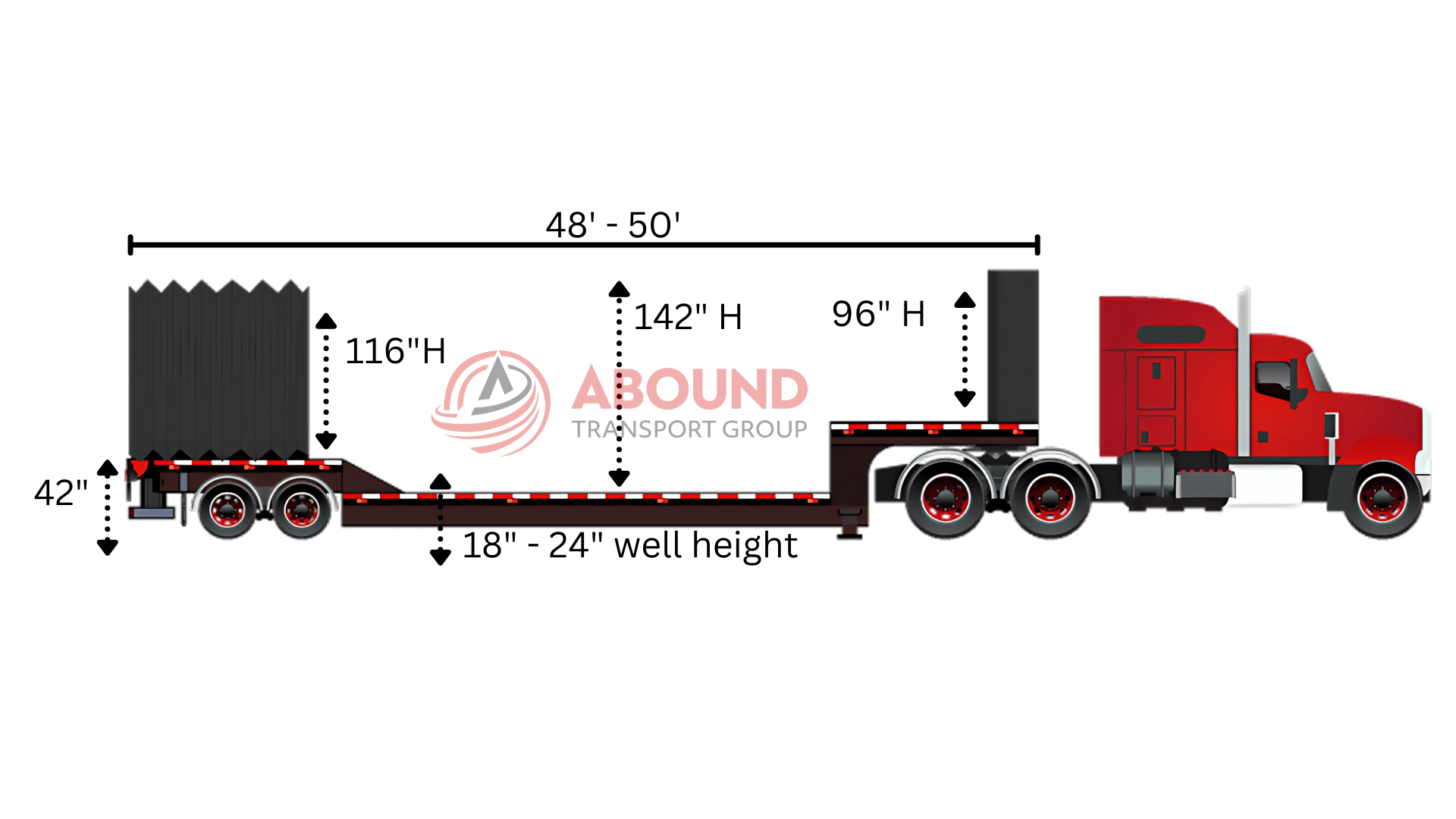
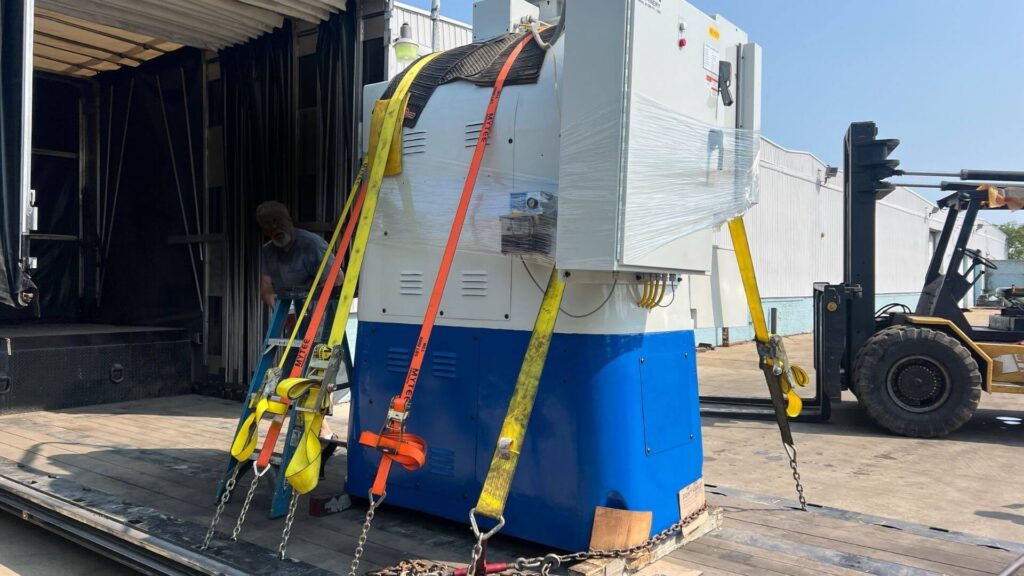
The Conestoga Double Drop trailer, sometimes called a Double Drop Curtainside, is built for the tallest and heaviest cargo that cannot ride on a standard flatbed or step deck. Its unique well section drops below the axles, allowing legal transport of cargo up to 11 feet 6 inches tall without requiring special height permits.
The front and rear decks add versatility by accommodating smaller secondary loads alongside the primary freight. This trailer type is ideal for oversized construction equipment, large industrial machinery, and agricultural equipment that demands extra vertical clearance.
Trailer Length
railer TWidth
48′ – 50′
102″
Deck Height
18″-24″
40,000 lbs
Dry Van
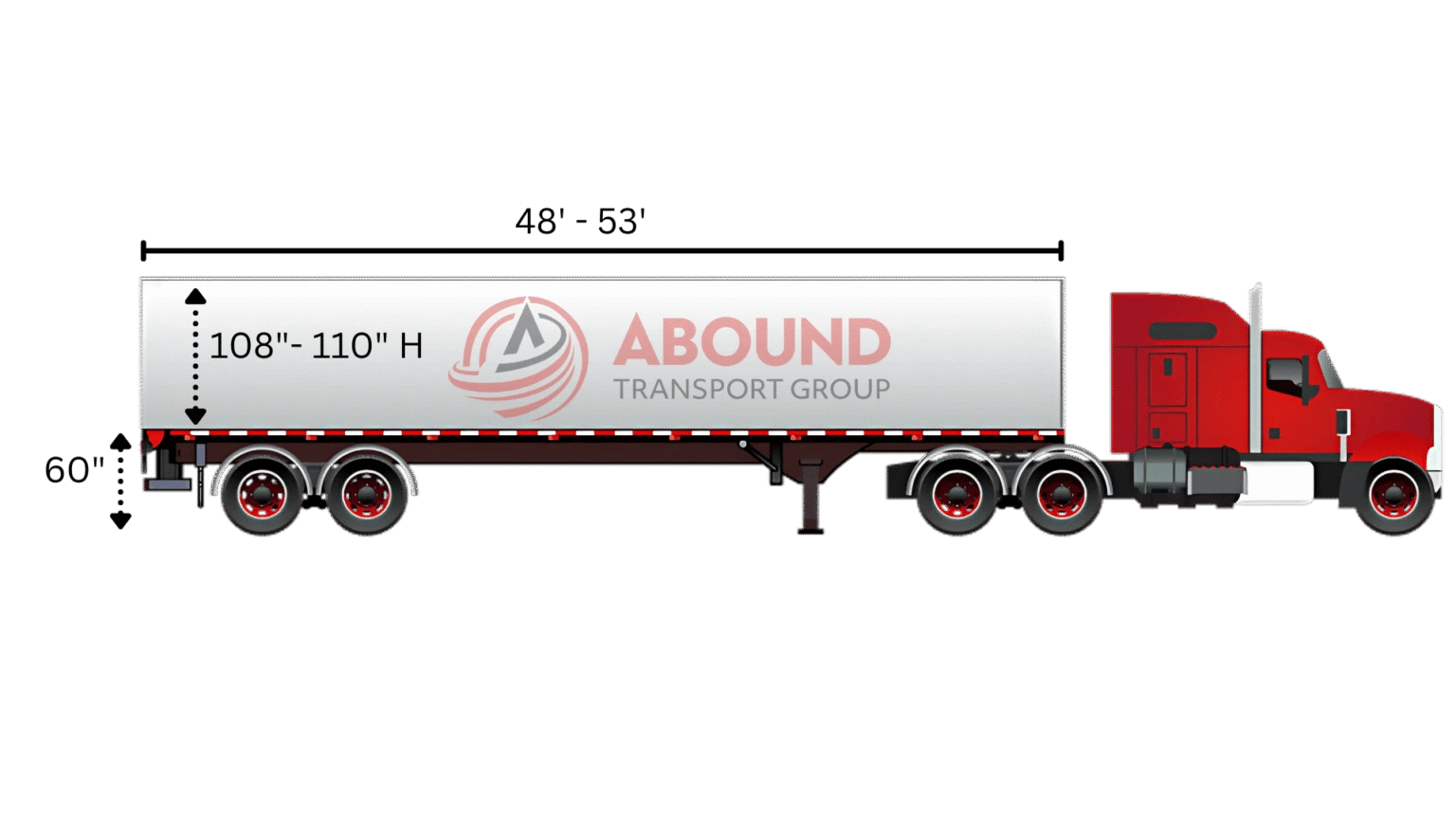
The dry van trailer is the most common trailer on American roads. It is a fully enclosed, weatherproof box loaded from the rear via dock or liftgate. Dry van trailers do not include temperature control and are designed for general freight that requires protection from the elements and theft without the need for refrigeration.
48′ – 53′
98″-101″
Max Freight Height
Weight Cap
108″ – 110″
42,000 – 45,000lbs
Reefer
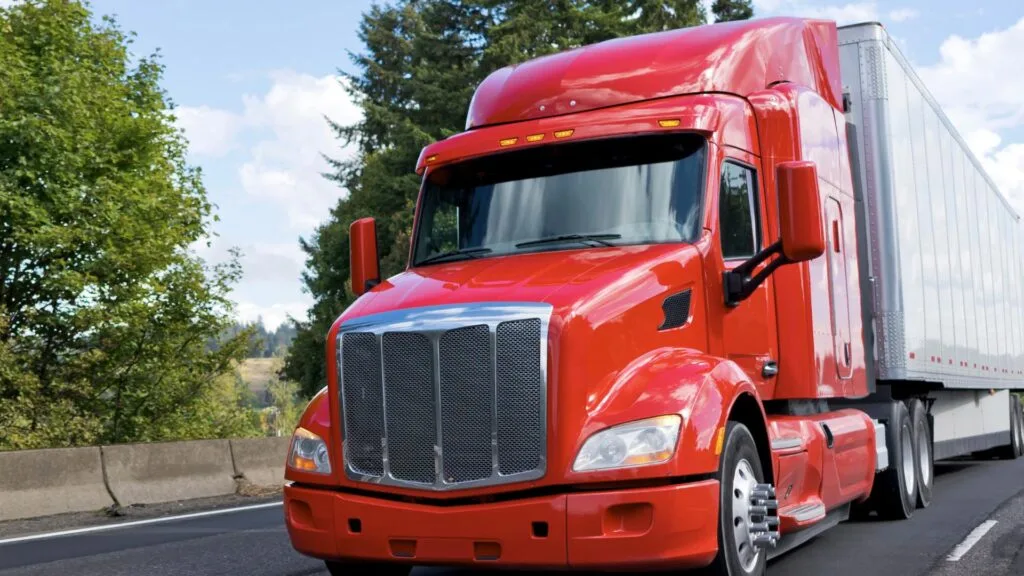
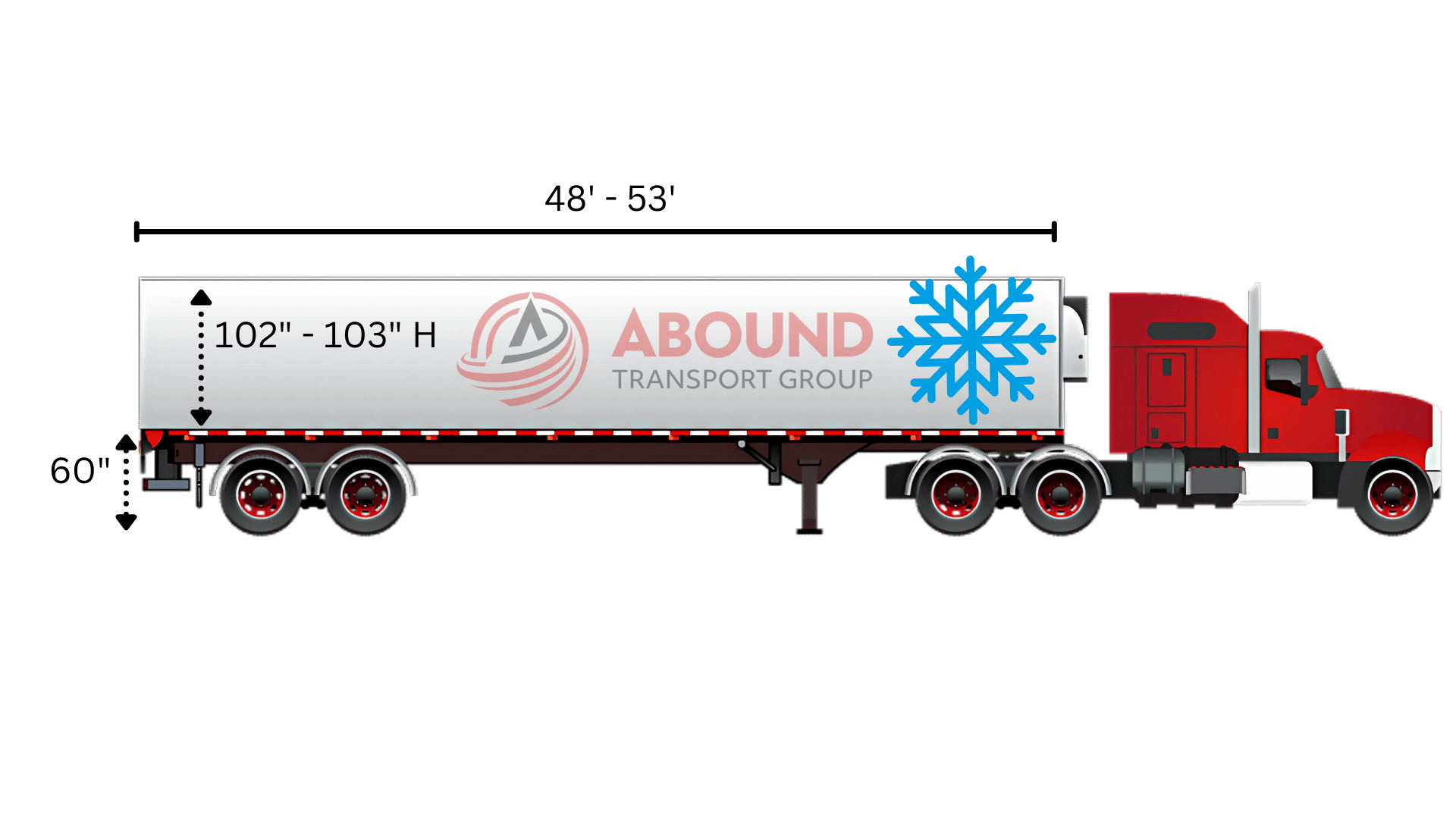
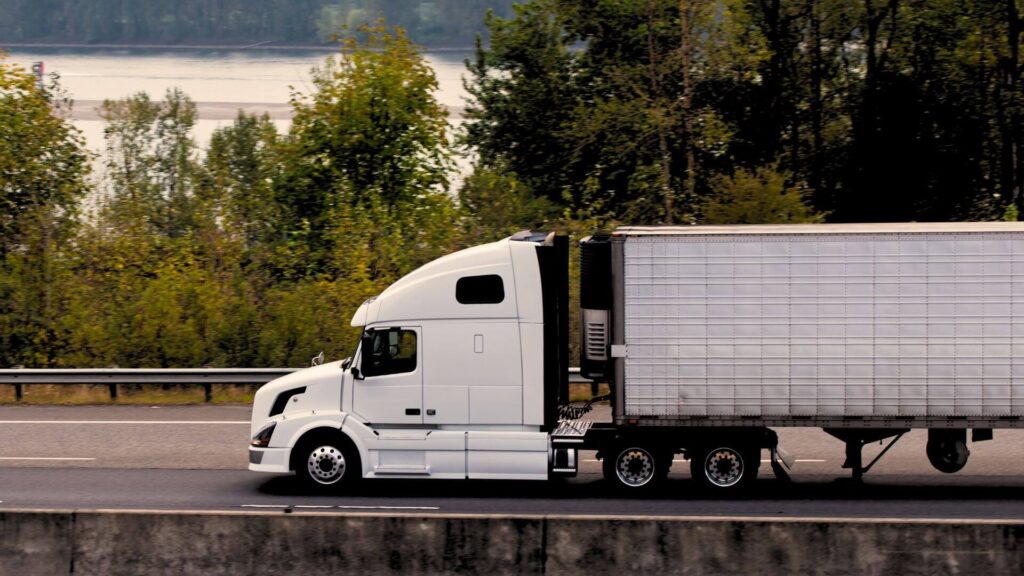
The reefer trailer is an insulated dry van equipped with a diesel-powered refrigeration unit mounted on the front wall. It maintains temperature ranges from negative 20 degrees Fahrenheit up to 70 degrees Fahrenheit, covering frozen, chilled, and temperature-sensitive freight. Interior dimensions are slightly reduced due to insulation and the refrigeration unit.
Length
Width
48′ – 53′
Weight Cap.
102″ – 103″
42,000-44,000lbs
Straight Truck
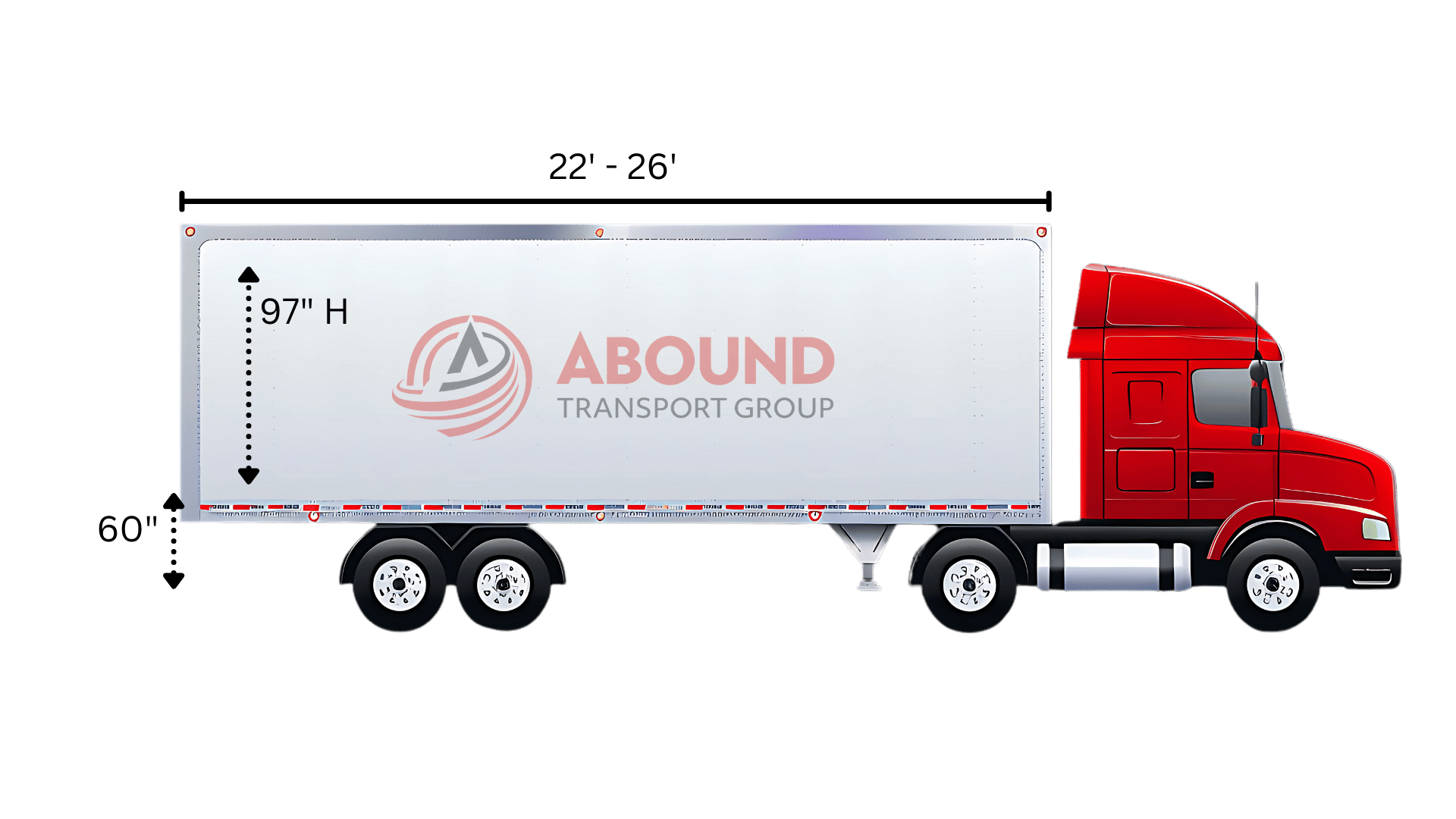
Length
22” – 26′
96″ – 102″
Weight Cap.
97″
7,000-10,000 lbs
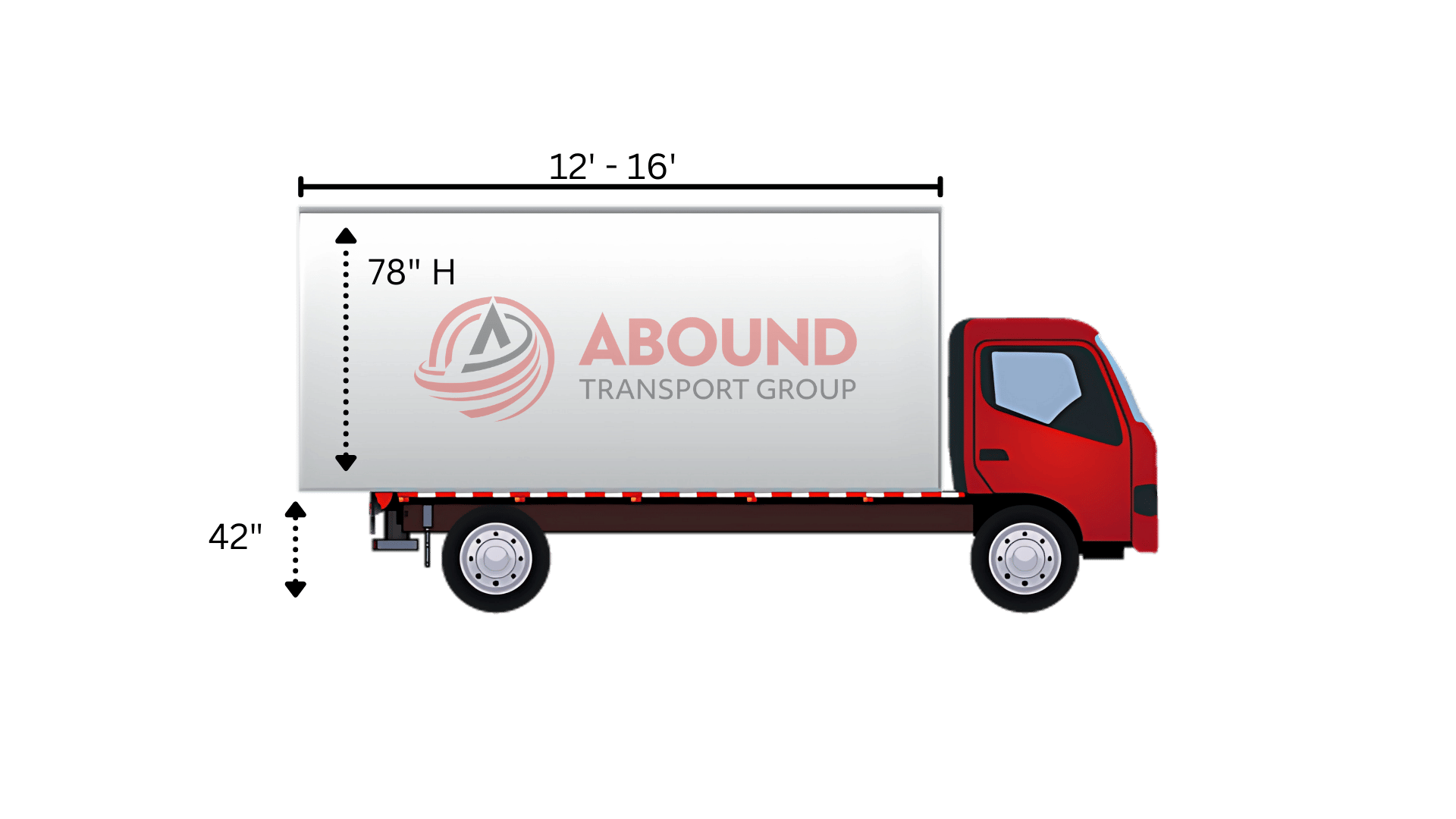
Box Truck
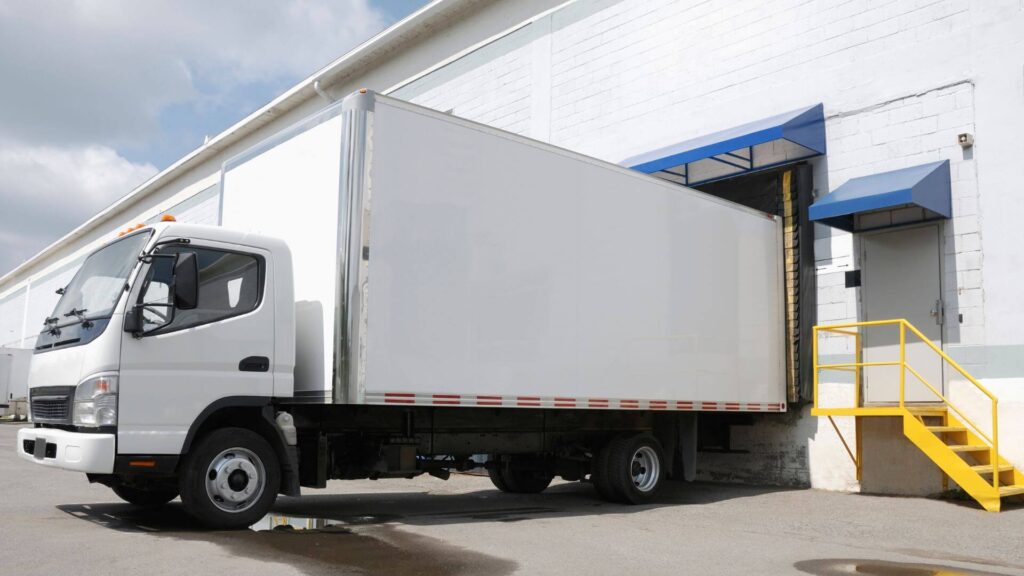
A box truck is a self-contained enclosed truck with the cab and cargo box mounted on the same chassis without a separate trailer. It is dock-height capable, available with a liftgate, and highly maneuverable for urban and residential deliveries. Box trucks are ideal for locations that a semi-truck cannot access.
Length
12′-16′
91″
78″
3,500-4,300 lbs
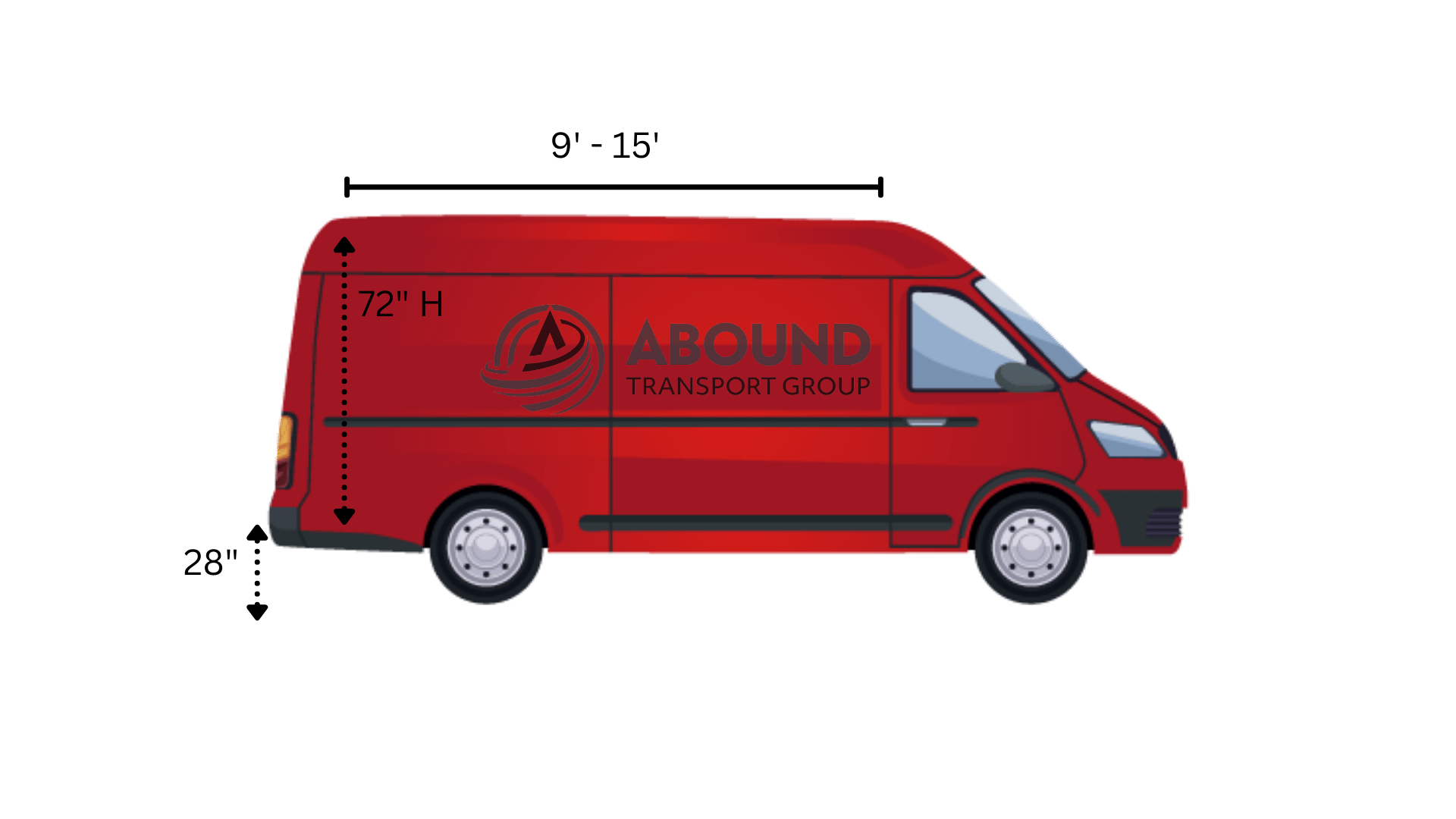
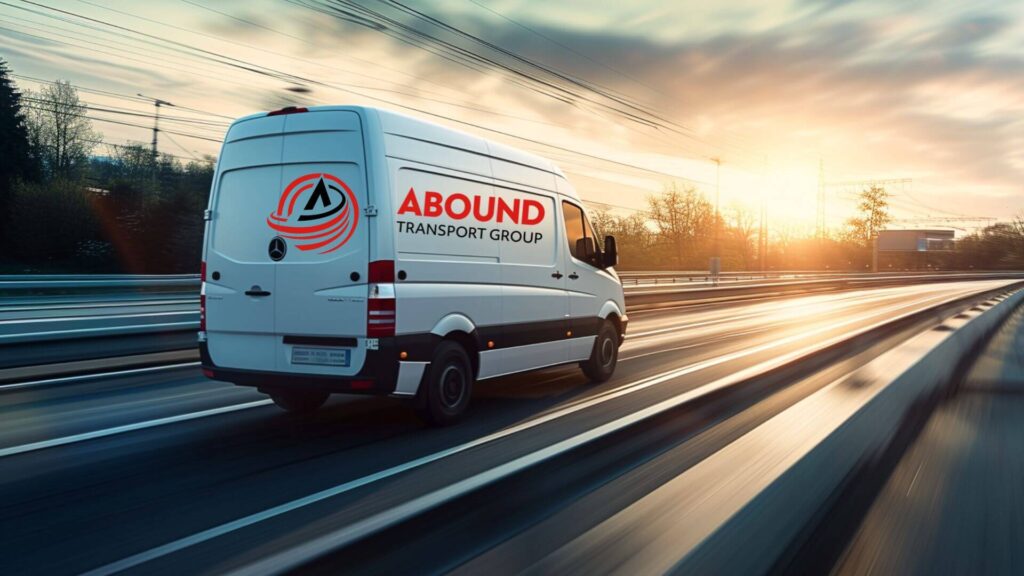
Sprinter Van
Length
9-15′
55″
Weight Cap.
72″
1,500-3,000 lbs
Our logistics experts are here to help you match the perfect trailer to your freight. Contact us for a free, no-obligation quote.
All trailer specifications on this page reflect industry standards established by the Federal Highway Administration (FHWA) and Federal Motor Carrier Safety Administration (FMCSA). Dimensions and weight capacities are based on data from leading trailer manufacturers including Wabash National, Fontaine Trailer, Great Dane Trailers, and XL Specialized Trailers, in accordance with Truck Trailer Manufacturers Association (TTMA) guidelines.
Actual trailer specifications may vary by manufacturer, configuration, and state regulations. For precise dimensions and capabilities, consult with our logistics team or your assigned carrier.