
Introduction
Data centers don’t build themselves. Before a single server rack powers up, before a cooling system hums to life, before a campus like Meta’s sprawling Prineville, Oregon facility processes a byte of data, someone has to move the equipment there. That means flatbeds, step decks, Conestoga trailers, lowboys, oversized permits, coordinated routing, and logistics teams that understand what they’re hauling.
Data center freight is not standard freight. The components are heavy, tall, wide, and in many cases irreplaceable. Generators can weigh tens of thousands of pounds. Modular data center units ship as full prebuilt structures. Cooling infrastructure is oversized. Power distribution equipment is sensitive. And every delay costs real money at a project level.
At Abound Transport Group, we move this freight. We’ve delivered data center equipment to major build-outs including Meta’s Prineville campus, and we understand what it takes to get this type of cargo to a job site safely, on time, and with the right trailer under it.
This guide covers exactly what data center transportation involves, what equipment gets used, and what you should expect from a logistics partner who actually knows this space.
What Gets Transported to a Data Center Job Site?
Whether it’s new construction, an expansion, or a full relocation, data center freight falls into several distinct categories. Each one has its own weight, dimension, and protection requirements.
Structural and Civil Materials
Steel framing, precast concrete panels, raised floor systems, and prefabricated building components arrive before any technology does. These are typically heavy, oversized, and moved on flatbeds or lowboys depending on weight and height.
Power Infrastructure
Large diesel generators, UPS (uninterruptible power supply) systems, switchgear, and transformers are among the heaviest and most permit-intensive loads in data center construction. A single utility transformer can weigh 100,000+ pounds and require a specialized multi-axle lowboy, escort vehicles, and state-by-state permitted routing.
Cooling Systems
Chillers, cooling towers, Computer Room Air Handlers (CRAHs), and liquid cooling infrastructure are oversized, structurally complex, and often sensitive to tipping or vibration. Step decks and lowboys are typical here, with tarps or Conestoga systems based on the equipment’s surface sensitivity.
Modular and Prefabricated Data Center Units
This is where freight gets interesting. Hyperscale operators like Meta increasingly use prefabricated modular data center containers, essentially fully built server room structures shipped on trailers and dropped onto a site. These are wide, tall, and long. They often require step decks or double drops, Conestoga systems for protection, and oversized load permits.
Networking and Server Equipment
Individual server racks, storage arrays, networking hardware, and cabling infrastructure are high-value, vibration-sensitive, and often require climate-controlled or Conestoga-covered transport to protect against road debris, moisture, and temperature swings.
Fuel and Battery Storage Systems
On-site fuel tanks and battery energy storage systems (BESS) require specialized handling, proper placarding for hazmat if applicable, and coordinated delivery windows.
The Right Trailer for the Right Load
This is where carrier knowledge separates good logistics from bad ones. Every data center component has a profile that dictates what trailer it should ride on.
Conestoga Flatbed
Best for medium-weight, weather-sensitive equipment that loads from the side and needs full sealed coverage. Server racks, modular units, and electronics cabinets moving on a standard deck height. The rolling tarp system keeps the load sealed without any tarp-to-cargo contact.
Conestoga Step Deck
The workhorse for data center transport. Taller modular units, large CRAH systems, and prefabricated structures that exceed flatbed height limitations ride here. The step deck’s lower rear deck (approximately 42 inches off the ground) allows taller loads to clear legal height thresholds, and the Conestoga system keeps them protected the entire haul.
Conestoga Double Drop
For the tallest data center freight, a double drop Conestoga brings the well height down to roughly 18 to 24 inches, providing the maximum vertical clearance of approximately 142 inches in the well. Large modular units, tall generators, and specialty equipment that can’t fit on a step deck ship here.
Tarped Flatbed or Step Deck
When equipment has a simpler profile, shorter transit distance, or lower sensitivity to surface contact, a tarped flat or step deck works. Heavy steel structural components, concrete, and civil materials typically move this way.
Lowboy / RGN (Removable Gooseneck)
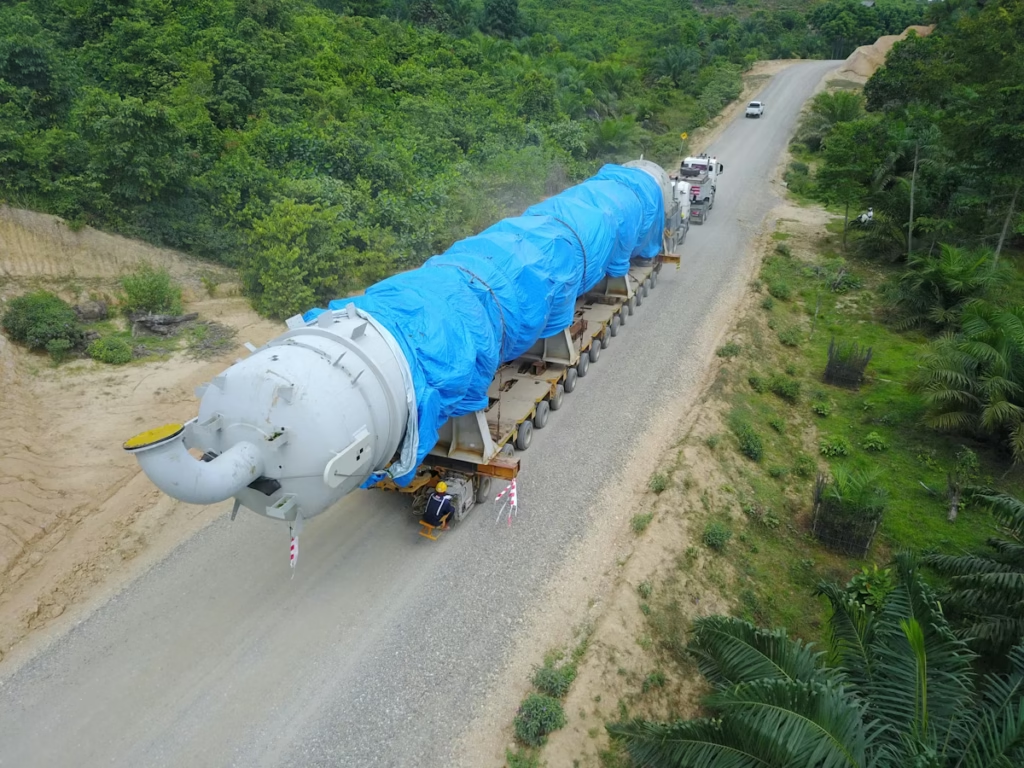
For the heaviest data center freight, particularly large transformers, generators, and utility equipment that exceeds standard weight limits, a lowboy or RGN is the answer. These trailers handle 40,000 to 150,000+ pounds, accommodate multi-axle configurations, and often require permitted routing, pilot cars, and escort vehicles.
| Equipment Type | Recommended Trailer |
|---|---|
| Server racks, networking hardware | Conestoga Flatbed or Step Deck |
| Modular/prefab data center units | Conestoga Step Deck or Double Drop |
| HVAC / cooling systems | Step Deck or Conestoga Step Deck |
| Large generators, transformers | Lowboy / RGN (heavy haul) |
| Steel framing, structural materials | Flatbed (tarped) |
| Battery storage systems | Flatbed or Step Deck (tarped or Conestoga) |
Why Data Center Freight Demands a Specialist
The competitors in this space will tell you they handle sensitive equipment. Most of them mean padded blankets and climate-controlled vans for server racks.
What they often miss is the open-deck side of the equation, the oversized generators, the wide modular units, the tall prefab structures that need proper trailer selection, permitted routing, and a carrier who can actually execute on a tight job site delivery window.
Here is where most data center freight fails:
Wrong trailer selection. A standard flatbed tarp draped over a sensitive modular unit is a recipe for tarp rash, moisture intrusion, and a conversation with a project manager about why their equipment showed up damaged. Conestoga systems exist precisely for this reason.
No permit coordination. If your freight exceeds 8.5 feet wide, 13.5 feet tall, or 80,000 pounds gross vehicle weight, you need permits. Data center freight crosses these thresholds regularly. A broker who doesn’t coordinate permits isn’t a partner; they’re a liability.
Poor communication on delivery windows. Data center job sites run on tight schedules. Cranes, rigging crews, and installation teams are on the clock. A truck that shows up three hours outside a delivery window doesn’t just inconvenience someone; it costs the project money.
Carrier vetting gaps. Not every flatbed carrier knows how to properly secure a modular data center unit or a sensitive cooling system. Securement matters, and it requires drivers with the right experience and equipment.
We’ve Done This. Here’s the Proof.
Delivering to Meta’s Prineville Campus, Oregon
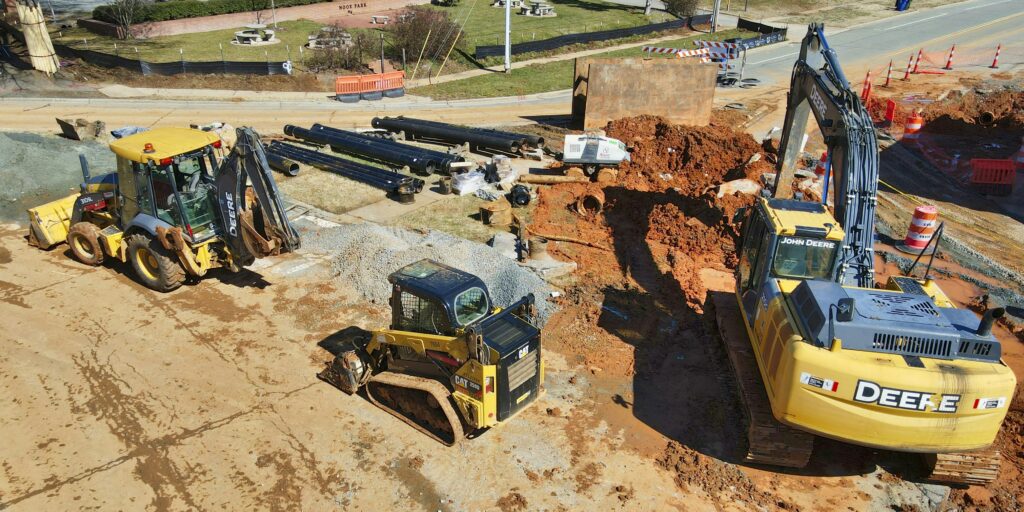
Meta’s data center campus in Prineville, Oregon is one of the largest in the United States. Since breaking ground in 2010, the company has invested more than $2 billion into the site, ultimately expanding it to 11 buildings and 4.6 million square feet. That kind of build requires an extraordinary volume of incoming freight across every phase of construction, from structural steel in the early years to modular units and infrastructure equipment as the campus scaled.
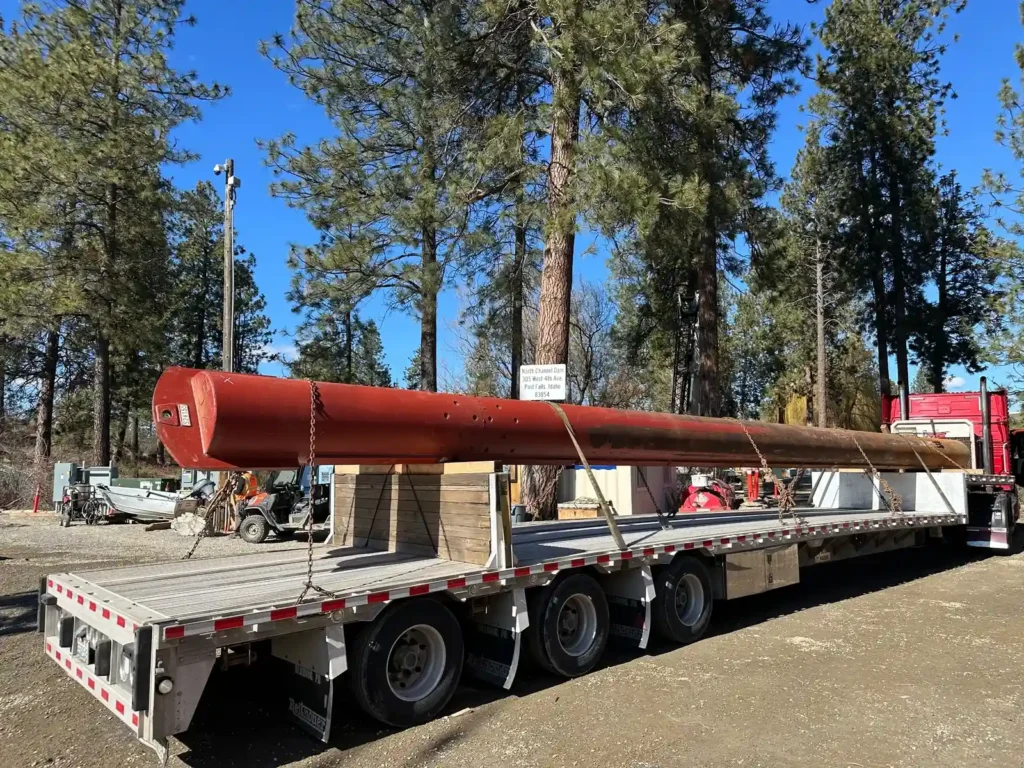
Abound Transport Group has delivered data center equipment to the Prineville campus. This is a job site with specific access requirements, tight delivery coordination, and no margin for error. We coordinated the right trailer, confirmed delivery windows, and made sure the freight arrived in the condition it left in.
We’ve Done This. Here’s the Proof.
Delivering to Meta’s Prineville Campus, Oregon
Meta’s data center campus in Prineville, Oregon is one of the largest in the United States. Since breaking ground in 2010, the company has invested more than $2 billion into the site, ultimately expanding it to 11 buildings and 4.6 million square feet. That kind of build requires an extraordinary volume of incoming freight across every phase of construction, from structural steel in the early years to modular units and infrastructure equipment as the campus scaled.
Abound Transport Group has delivered data center equipment to the Prineville campus. This is a job site with specific access requirements, tight delivery coordination, and no margin for error. We coordinated the right trailer, confirmed delivery windows, and made sure the freight arrived in the condition it left in.
New Construction vs. Relocation: What Changes?
New Construction Logistics
Freight arrives in phases aligned with the construction schedule. Structural materials first. Power infrastructure next. Cooling systems as the building takes shape. IT equipment last. A good logistics partner understands this sequence and coordinates accordingly so nothing arrives before the site is ready to receive it.
Data Center Relocation
When an existing facility moves, the freight profile changes. Equipment is often already racked and configured. Sensitivity to vibration is higher because servers and storage are active systems, not just shipping crates. Timing is critical because downtime has a direct business cost. Phased moves, careful labeling, and real-time communication between your IT team and your logistics partner are non-negotiable.
Whether you are building from the ground up or relocating an operating facility, the freight requirements are different. ATG handles both.
What You Should Expect From Your Data Center Freight Partner
Before you book a trailer for data center freight, ask these questions:
Do they understand trailer selection for oversized, tall, and wide loads? Generic brokers default to whatever is cheapest. A specialist recommends the right equipment first.
Can they coordinate oversized load permits? Multi-state routing for permitted loads is not simple. It requires route surveys, state-by-state permit filings, and sometimes pilot car coordination.
Do they offer real-time tracking? For high-value data center equipment, visibility matters. ATG provides GPS tracking through the ATGFr8 portal with location updates every 15 minutes.
Do they have all-risk cargo coverage options? Data center equipment is expensive. Up to $2.5 million in all-risk cargo coverage is available through ATG for domestic shipments.
Do they communicate before you have to ask? This is the ATG standard. Real people. Real communication. Real follow-through from quote to delivery.
The Bottom Line
Data center construction and relocation is one of the fastest-growing freight categories in North America. The companies building this infrastructure, Meta, Google, Microsoft, Amazon, and the contractors and manufacturers supplying them, need logistics partners who understand what they’re moving.
That means knowing when to spec a Conestoga step deck instead of a tarped flatbed. It means coordinating permits for an oversized generator delivery to a rural Oregon job site. It means showing up at the right time, with the right carrier, with the right coverage.
We have done this. We are doing this. And we are ready to do it for your next project.
Ready to move your data center freight? Get a custom quote from a logistics team that actually understands this space.
Request a Data Center Freight Quote →
(800) 957-2558 | Monday to Friday, 5:30AM to 5:00PM PST