
Stepdeck Trailer Dimensions & Shipping Guide
Built for Height. Designed for Flexibility.
Stepdeck Trailer Dimensions: Quick Specs
Step deck trailers (also known as drop decks) are engineered for freight that exceeds the height limits of a standard flatbed.
With a lower main deck, they provide additional clearance for tall machinery,
CNC equipment, tanks, and
industrial units while staying within legal height requirements.
Their two-level design makes loading easier with forklifts or cranes and often eliminates the need for
over-height permits across most states. When your shipment requires extra clearance
without sacrificing stability or safety, the step deck offers the ideal balance of
flexibility, efficiency,
and compliance.
Step Deck
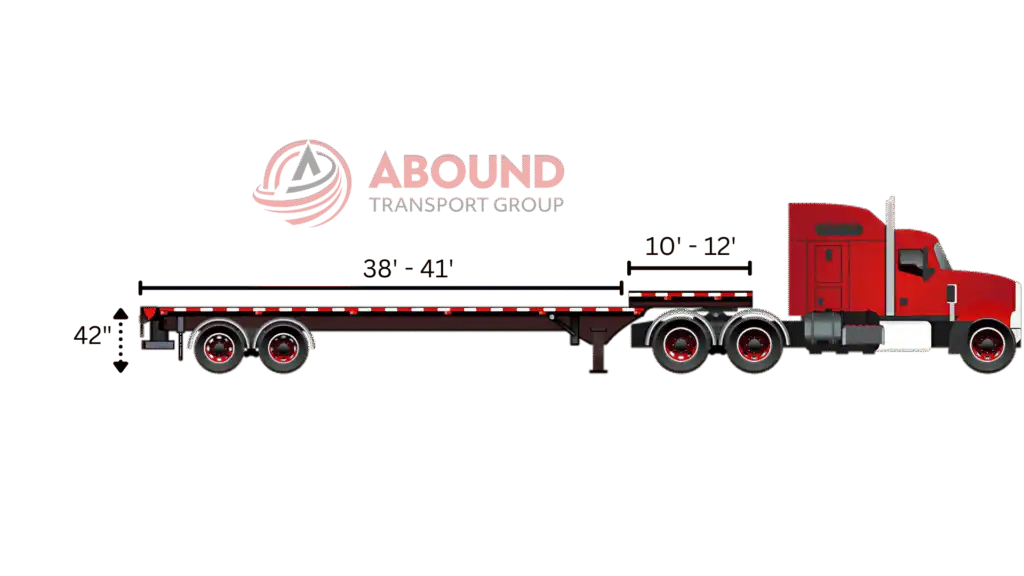
💡 Pro Tip: A step deck gives you about an extra 20 inches of vertical clearance compared to a flatbed trailer.
Quick Specs:
Trailer Length:
48′ – 53′ L
Trailer Width:
102″ W
Lower Deck Height
42″ H
Upper Deck Height:
60″ H
Weight Capacity:
~40,000 – 48,000lbs
Use Case:
Tall machinery, crated CNCs, tanks, industrial equipment, prefab modules
Tri Axle Step Deck
Quick Specs:
Trailer Length:
48′ – 53′ L
Trailer Width:
102″ W
Lower Deck Height
42″ H
Upper Deck Height:
60″ H
Weight Capacity (single piece):
~60,000 – 70,000lbs
Step Deck Stretch / Extendable
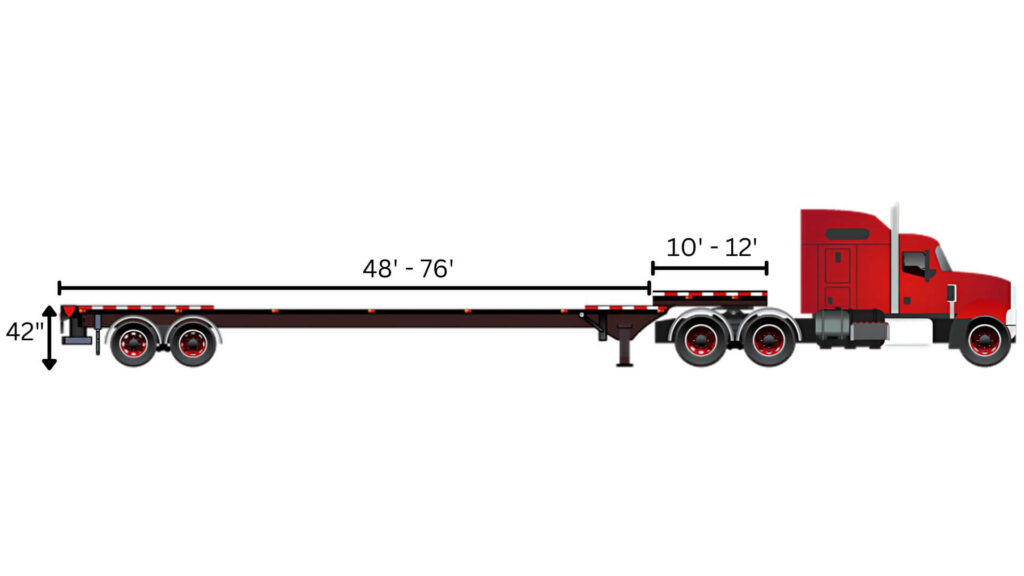
Quick Specs:
Trailer Length:
48′ – 76′ L
Trailer Width:
102″ W
Lower Deck Height
~28″ – 42″ H
Upper Deck Height:
~60″ H
Weight Capacity (single piece):
~44,000lbs
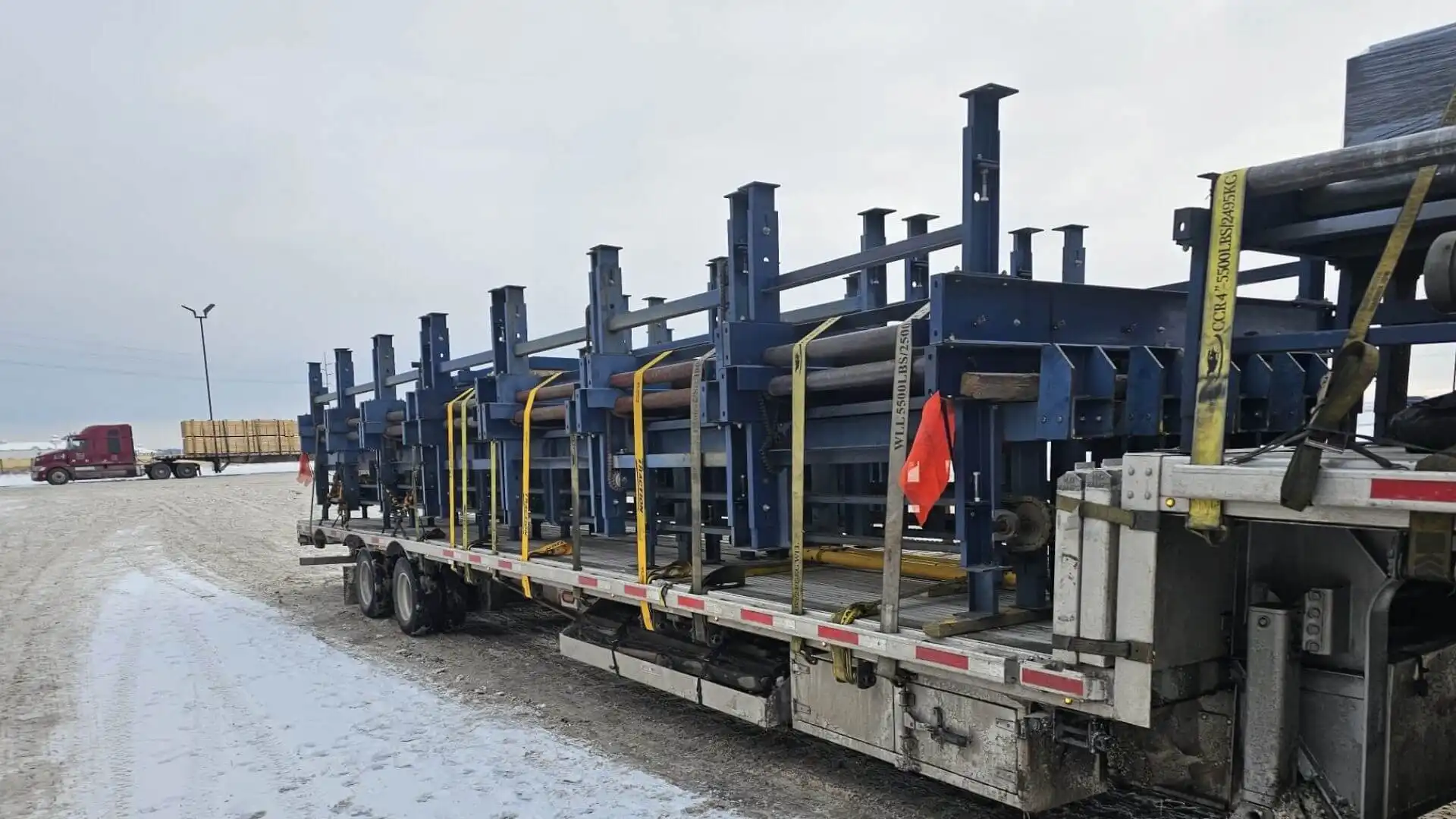
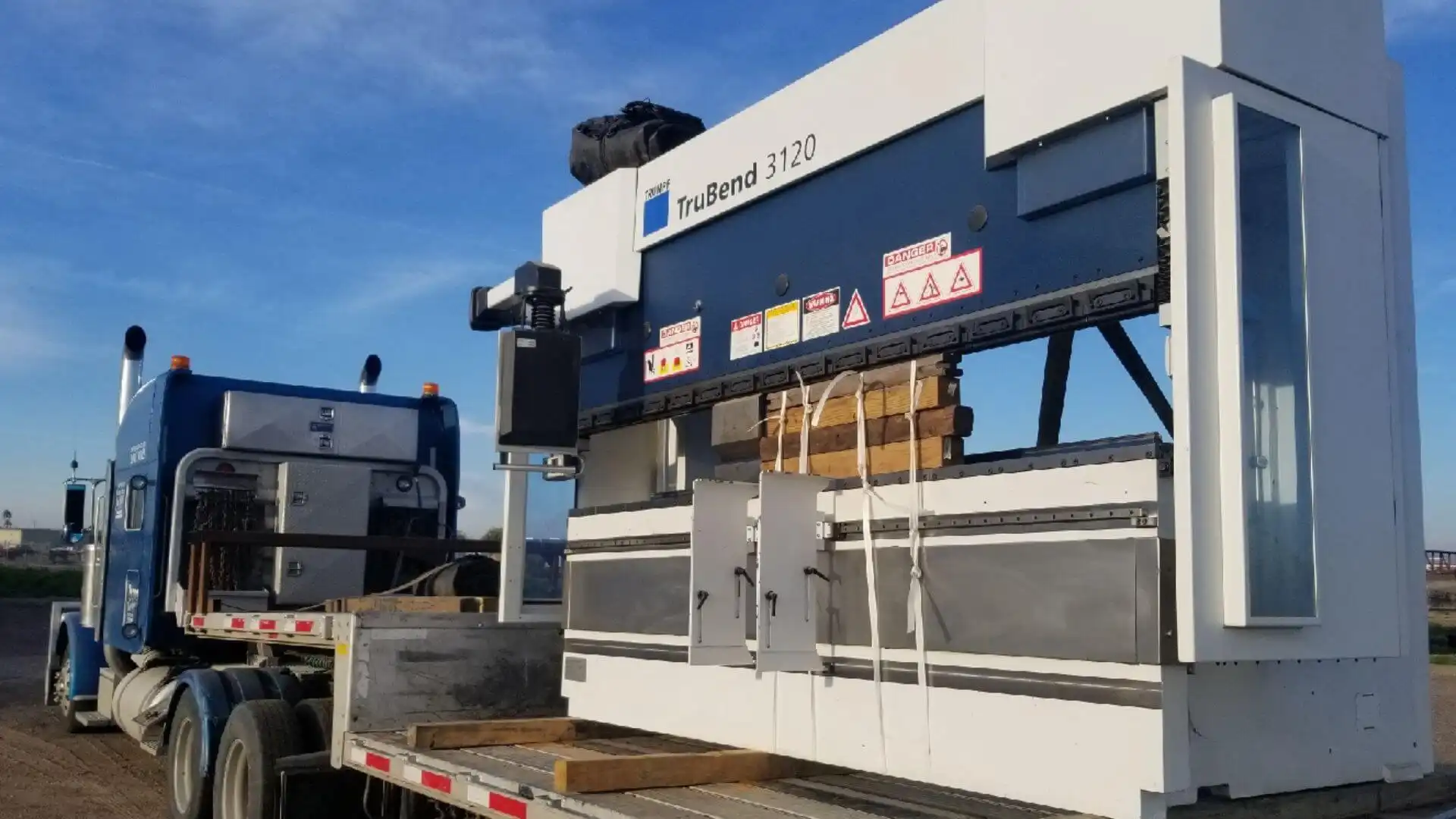
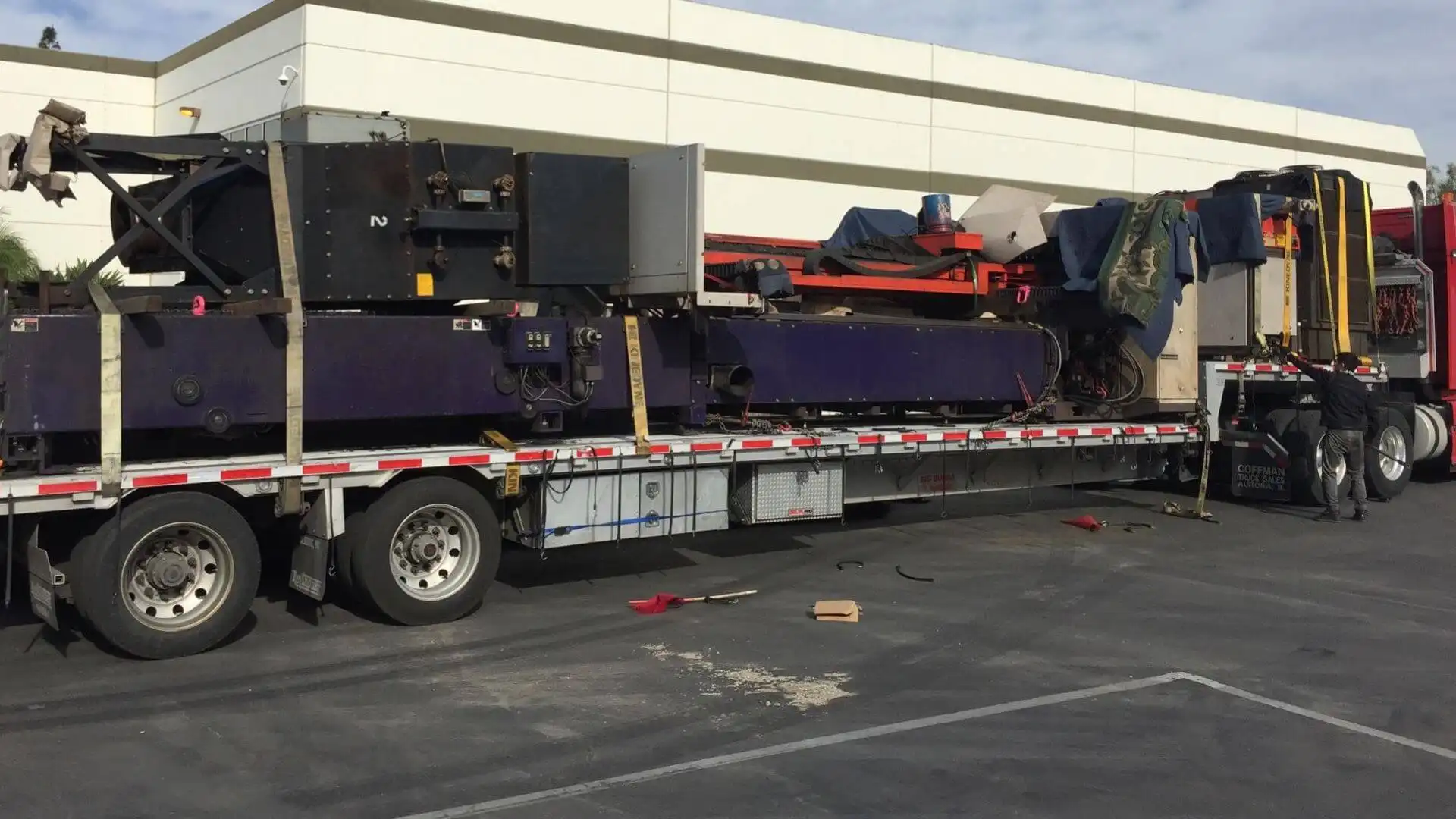
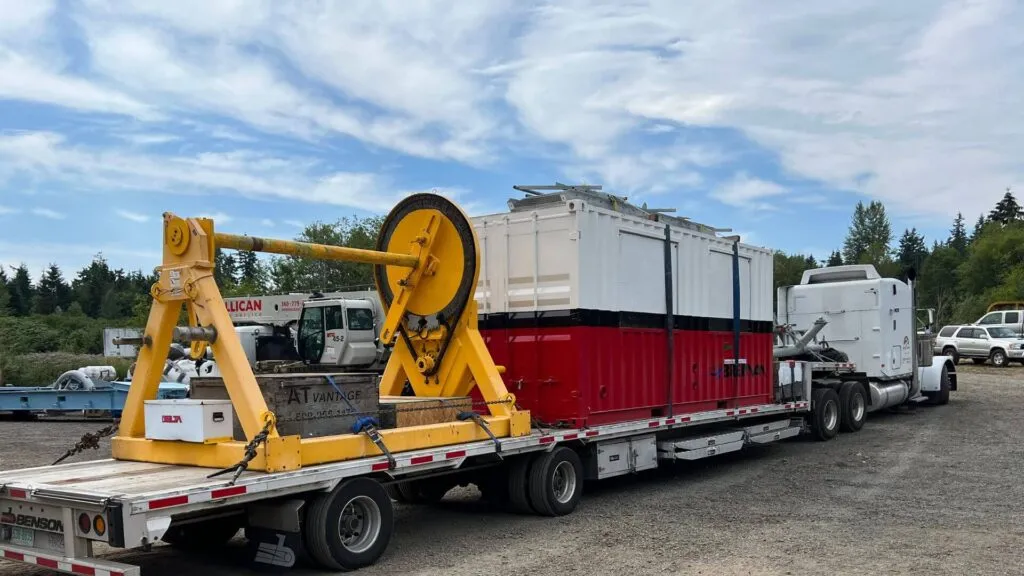
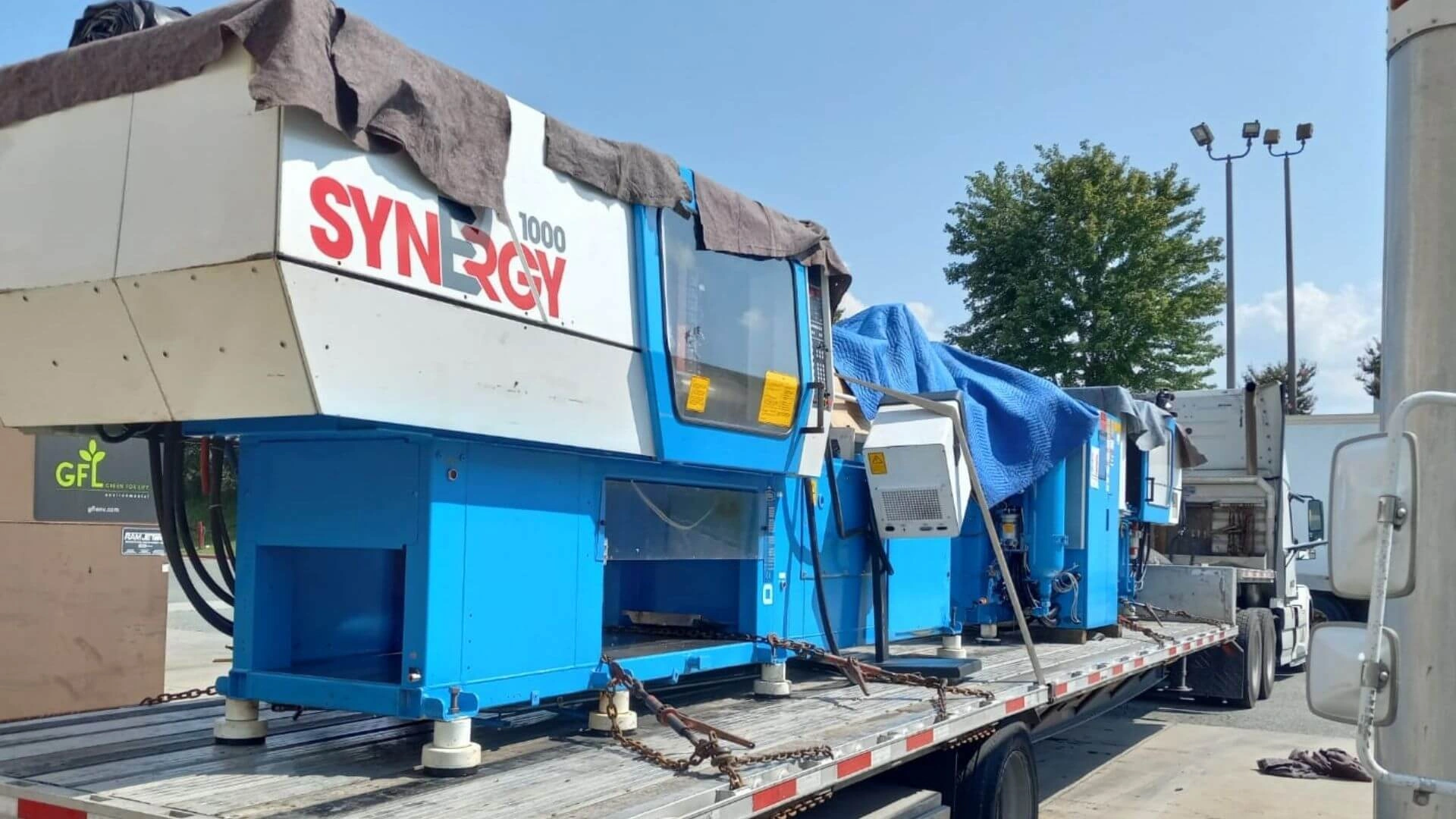
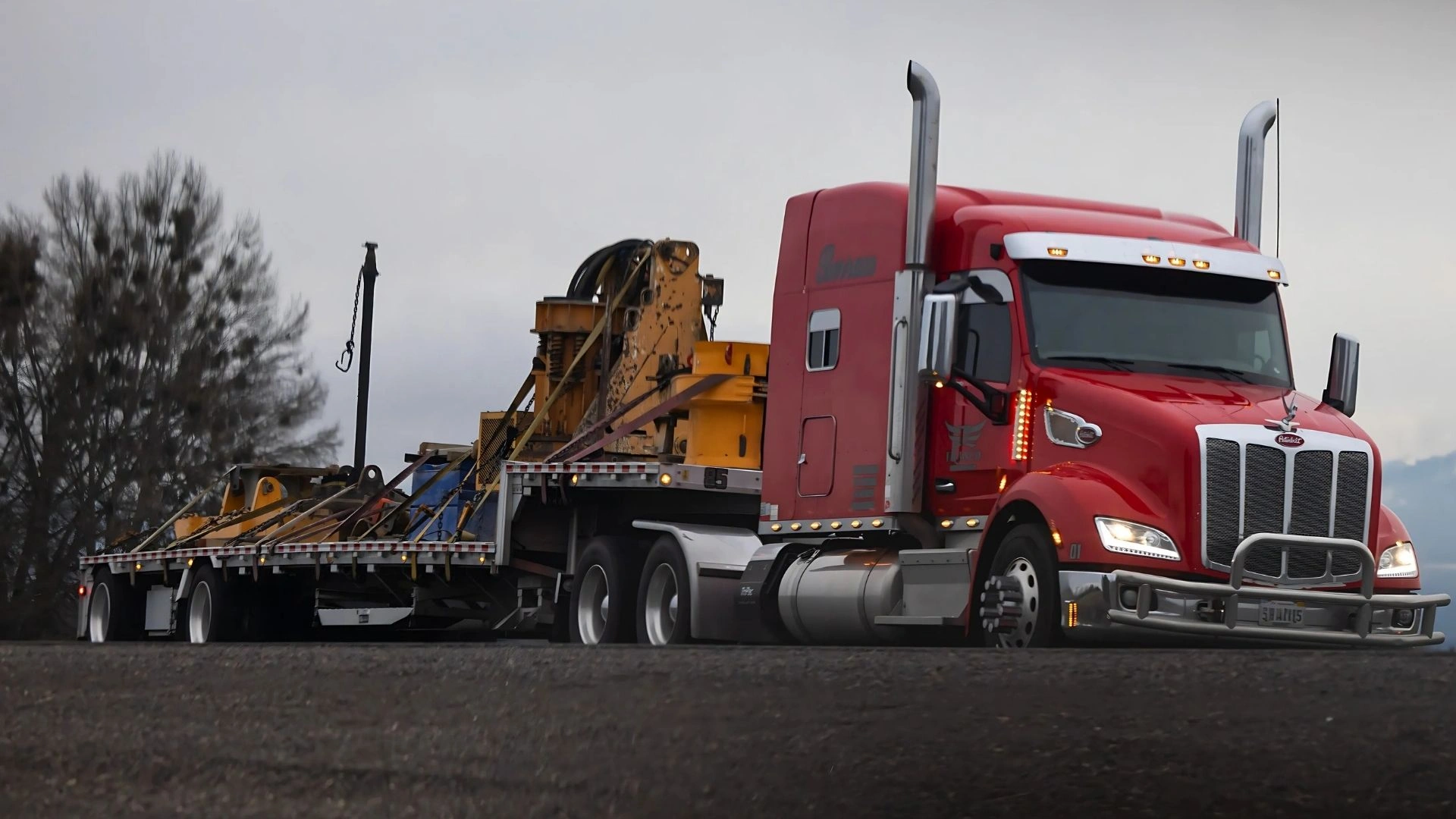
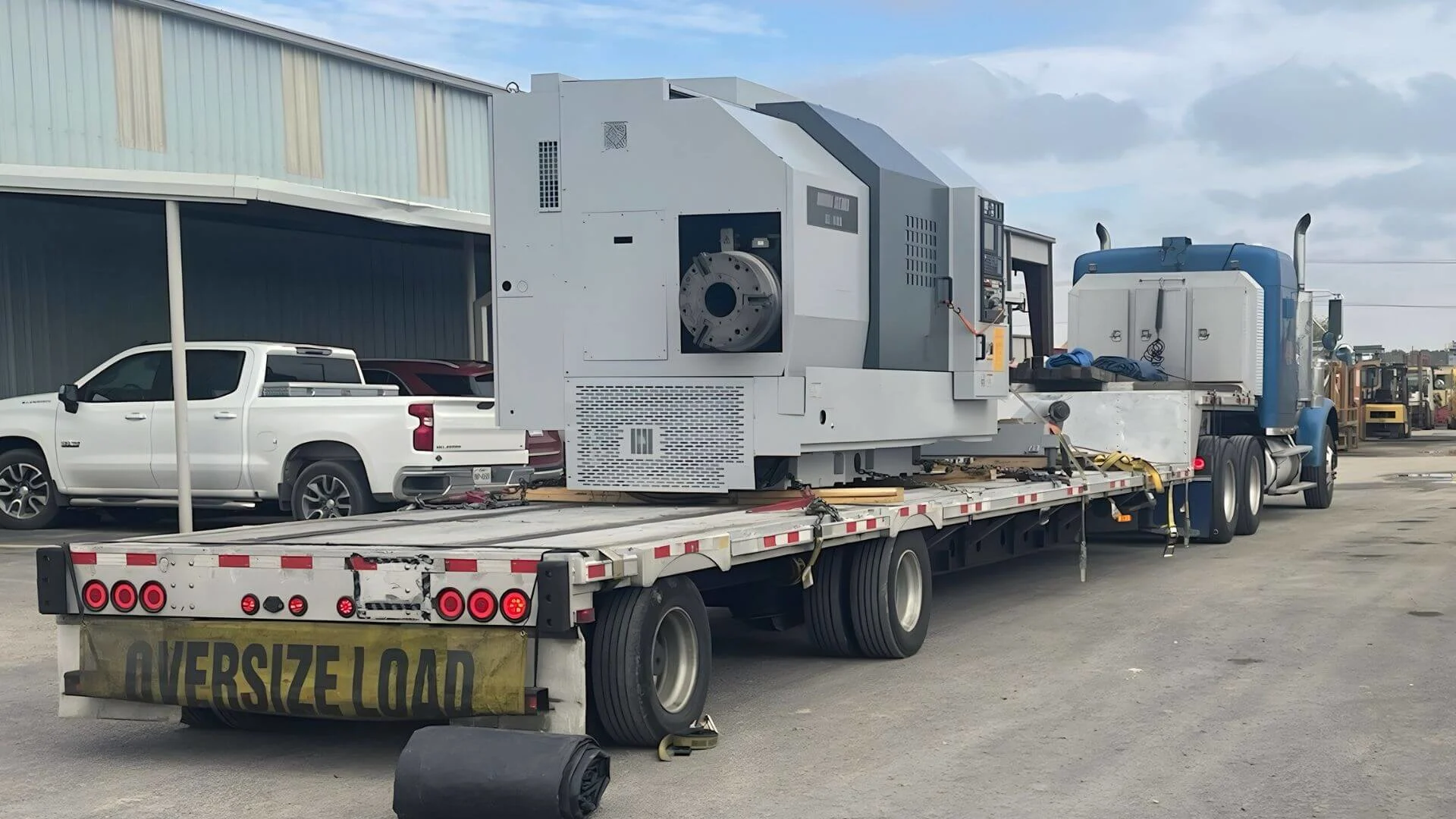
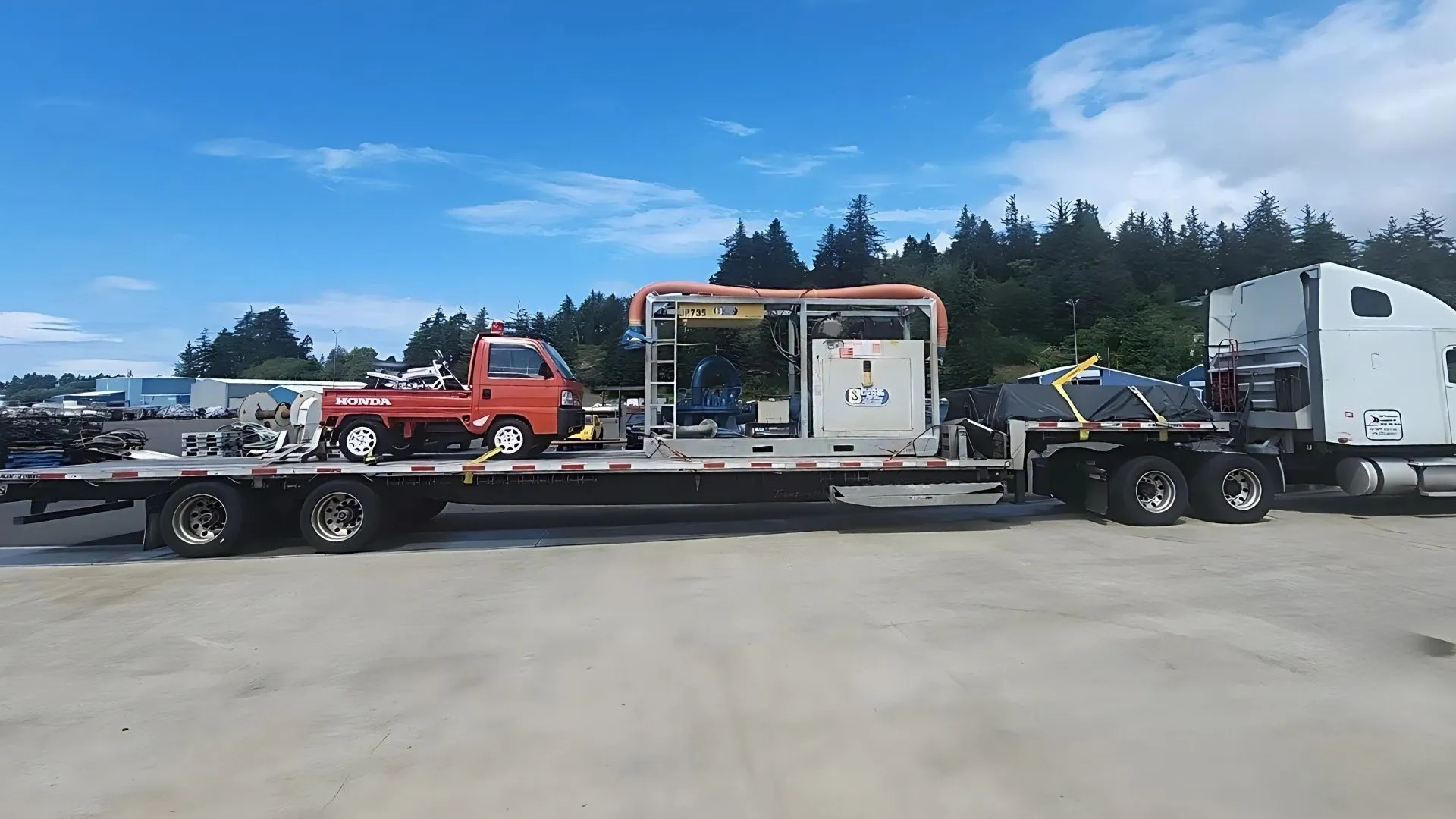
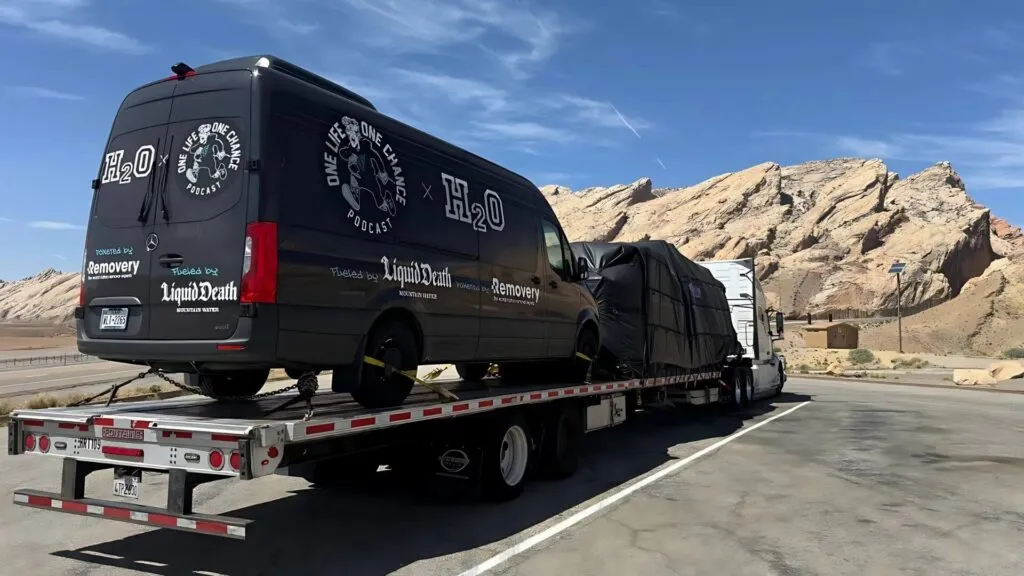
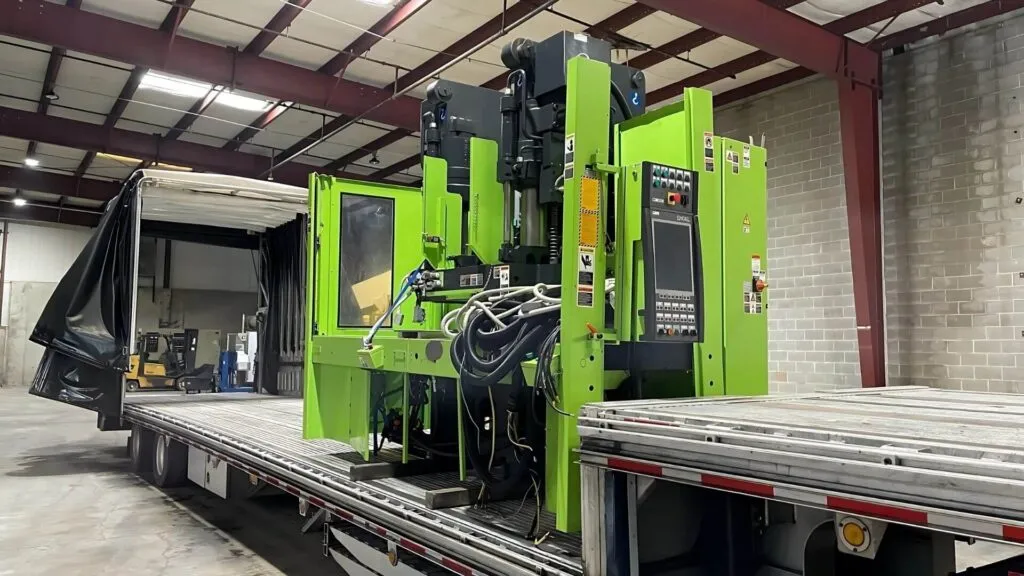
Examples of Our Stepdeck Shipments
A look at how we’ve moved stepdeck loads recently.
Get A Stepdeck Freight Quote
Skip the phone tag. Tell us what you’re shipping and where it’s going, and we’ll build you a custom all-in quote, and message you back promptly.
Where are we shipping?
What are we moving?
Equipment Needed?
Contact Information
SSL Secure
No Obligation
24 Hr Response
What Step Decks Haul Best
Ideal for tall, heavy, or oversized freight that needs extra height clearance.
- CNC Machines & Vertical Mills
- Press Brakes, Lathes & Lasers
- Transformers, Generators & Power Units
- Industrial Tanks & Fabricated Structures
- Agricultural & Construction Equipment
- Prefabricated Panels & Containers
Ideal Industries: Manufacturing, construction, heavy equipment, and industrial supply operations.
Navigating Height Regulations
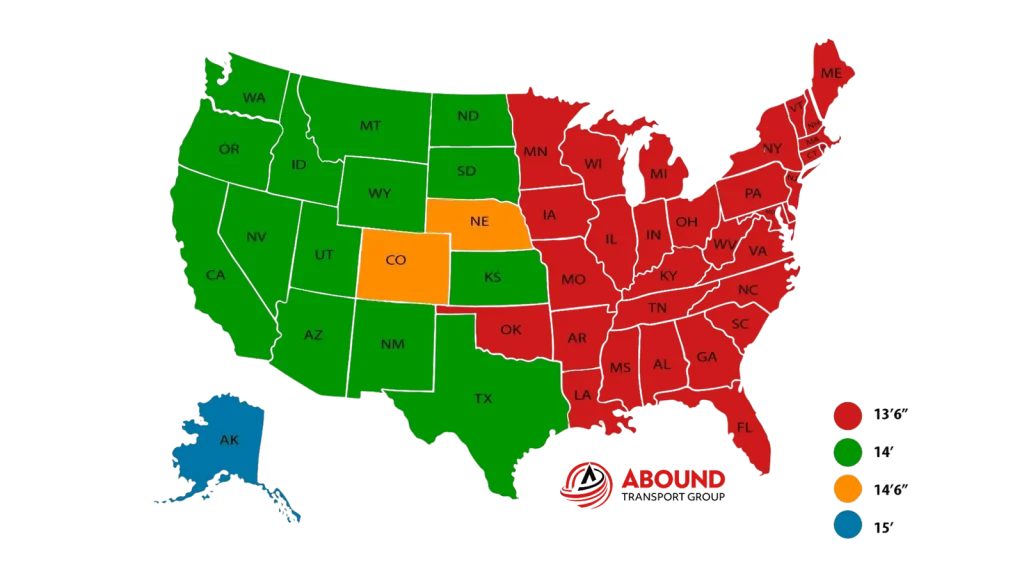
A standard flatbed allows for 8’6″ of cargo height, but legal height limits vary by state. Western states often permit a total height of up to 14 feet, while many eastern states cap it at 13’6″. This means a load that is legal on a flatbed in California may require an overheight permit, or a different trailer such as a step deck, to travel to states like New York.
Our team uses this state-by-state data to plan the most efficient and compliant route for your freight.
Brief History of the Step Deck Trailer
Step deck trailers were developed in the mid-1900s as freight began to include taller and heavier equipment that would not fit on a standard flatbed. To solve the issue of legal height limits, manufacturers lowered the main deck of the trailer and created a two-level design. This provided extra clearance for machinery, tanks, and industrial components without needing over-height permits in most cases. Over time, the step deck became a preferred trailer in manufacturing, construction, and energy industries because it offers stability, loading efficiency, and the ability to haul tall freight safely.
Explore Shipping Solutions by State
Click on a state below to view specific freight services for each state.
From Our Blog
Insights on Shipping, Trailer Types, and Logistics Trends
Step Deck Shipping FAQs
A step deck can legally haul freight up to 10'2" tall on its main deck without requiring overheight permits in most states.
Permits are generally not needed if your freight is within legal dimensions (under 10'2" height, 8'6" width) and the total gross weight is under 80,000 lbs. We handle all necessary permits for oversized loads.
Yes, the open design of a step deck allows for easy loading and unloading from the side, top (crane), or rear (forklift).
The lower deck on a standard 53' step deck trailer is typically 38' to 41' long, providing ample space for most equipment.
A step deck has a lower deck for height but requires a crane or forklift. An RGN (Removable Gooseneck) has a detachable front, creating a ramp for drive-on/drive-off loading of heavy machinery.
Tarping is optional and recommended for freight that needs protection from weather. We offer full tarping services or can provide a Conestoga step deck for complete protection.
Get a Step Deck Shipping Quote
Move your tall freight with confidence. Our experts will match the right equipment, plan your route, and secure competitive pricing.