
Conestoga Trailer Dimensions & Shipping Guide
For High-Value Machinery, Learn Conestoga Specs & Dimensions
Conestoga Trailer Specifications & Guide
Looking for detailed Conestoga trailer specs and dimensions? Conestoga trailers provide the protection of an enclosed van with the loading flexibility of an open-deck trailer. Their rolling tarp system allows freight to be loaded from the top, sides, or rear while staying fully protected from weather and road debris, making them ideal for high-value machinery transport.
Flatbed Conestoga
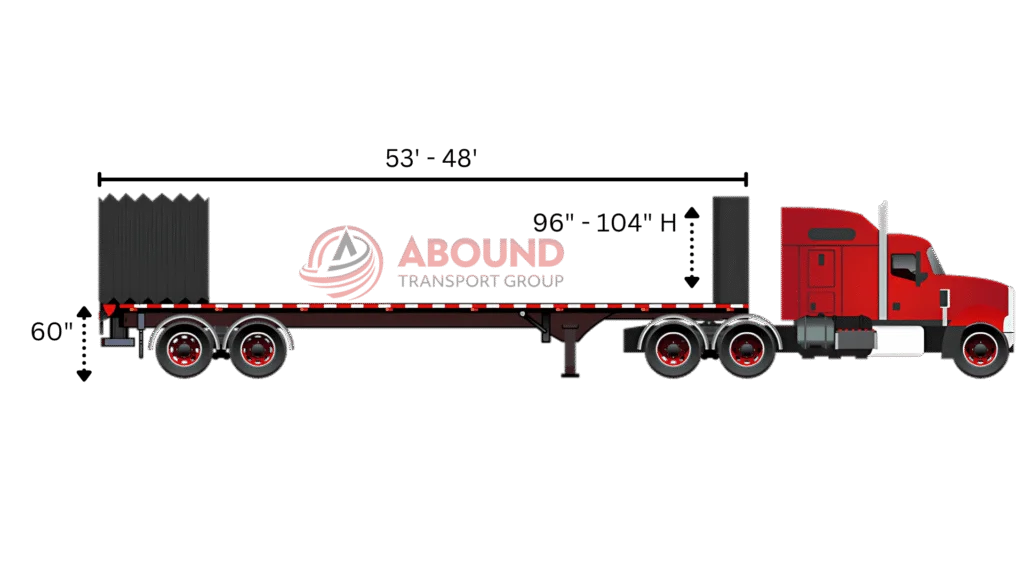
Quick Specs:
Trailer Length:
48′ – 53′ L
Inside Width:
102″ W
Inside Height:
~96″-104″ H
Deck Height:
60″ H (dock height)
Weight Capacity:
~47,000lbs
Use Case:
Commonly used for machinery, palletized goods, fabricated steel, or equipment requiring weather protection and air ride.
Stepdeck Conestoga
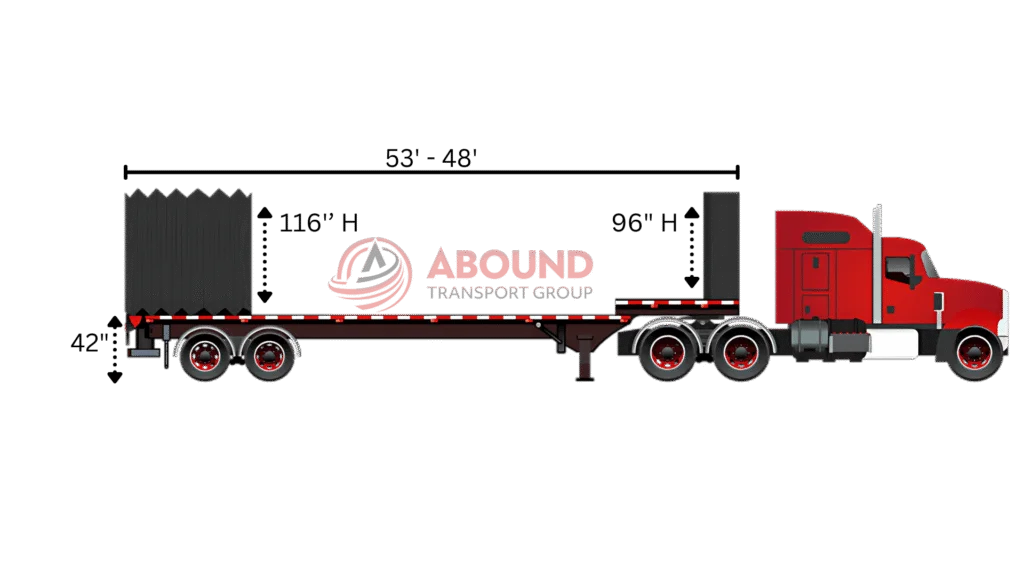
Quick Specs:
Trailer Length:
48′ – 53′ L
Inside Width:
102″ W
TD Max Height:
96″ H
LD Max Height:
116″ H
Deck Height:
42″ H
Weight Capacity:
~44,000lbs
Use Case:
Commonly used for taller crated machinery, robotics, packaging lines, and equipment that needs both height clearance and secure, enclosed coverage.
Double Drop Conestoga
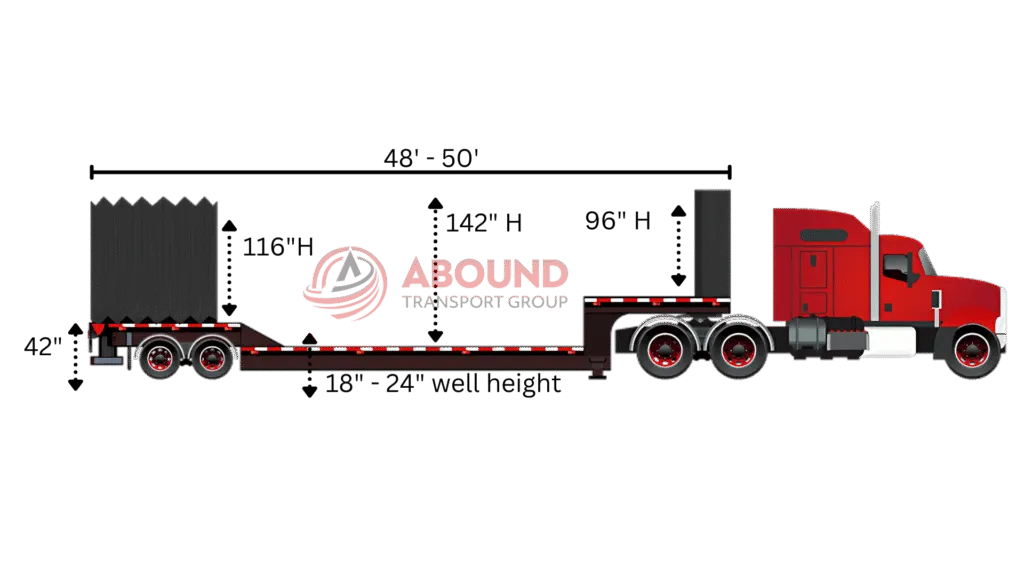
Quick Specs:
Trailer Length:
48′ – 50′ L
Inside Width:
102″ W
TD Max Height:
96″ H
WD Max Height:
142″ H
LD Max Height:
116″ H
Well Deck Height:
18″-24″ H
Weight Capacity:
~35,000lbs
Use Case:
Commonly used for taller crated machinery, robotics, packaging lines, and equipment that needs both height clearance and secure, enclosed coverage.
💡 Pro Tip: For confirmation of Conestoga tarp system dimensions and clearance details, review the
Aero Conestoga System by Aero Industries
to ensure proper fitment and smooth loading.
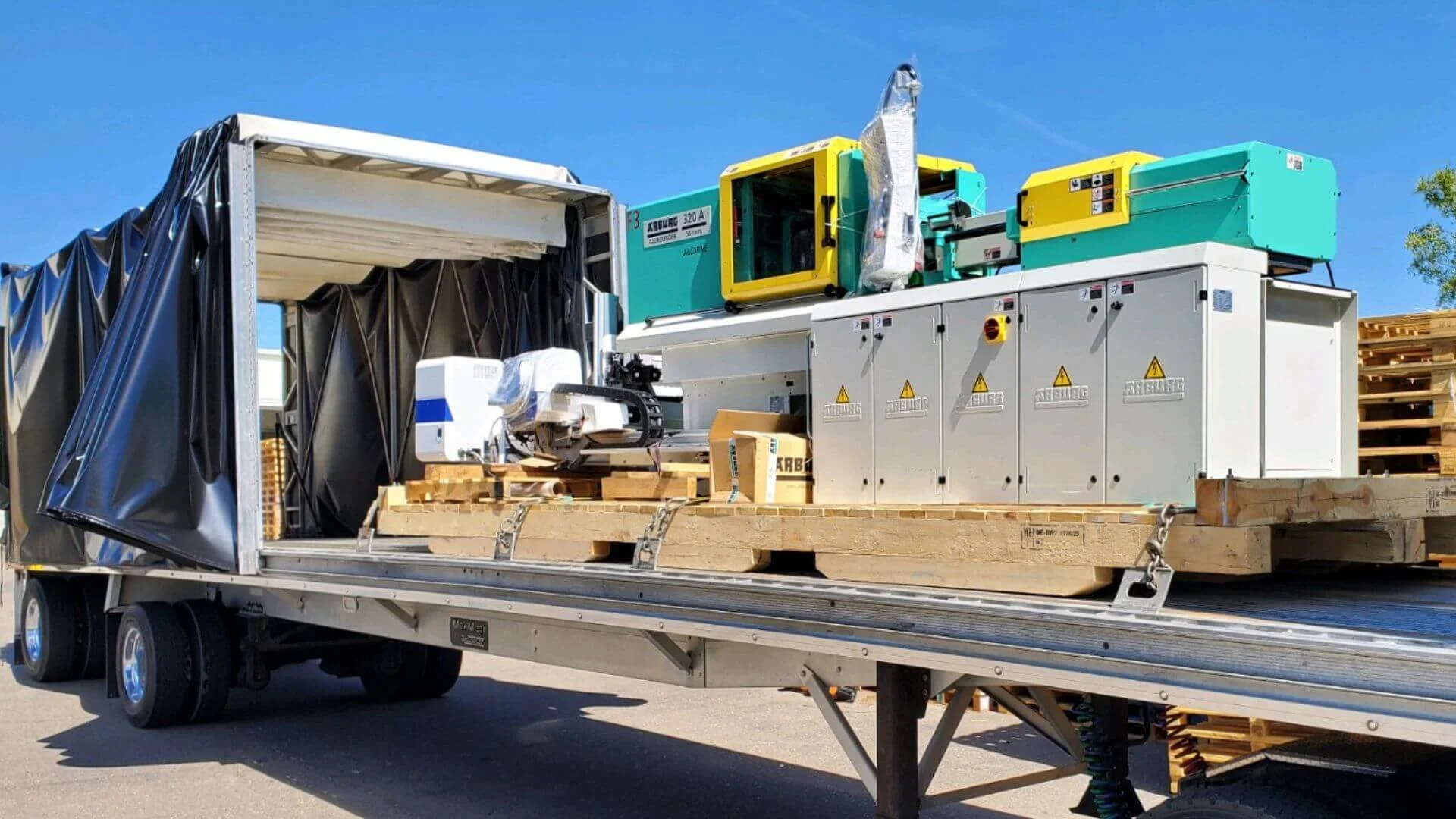
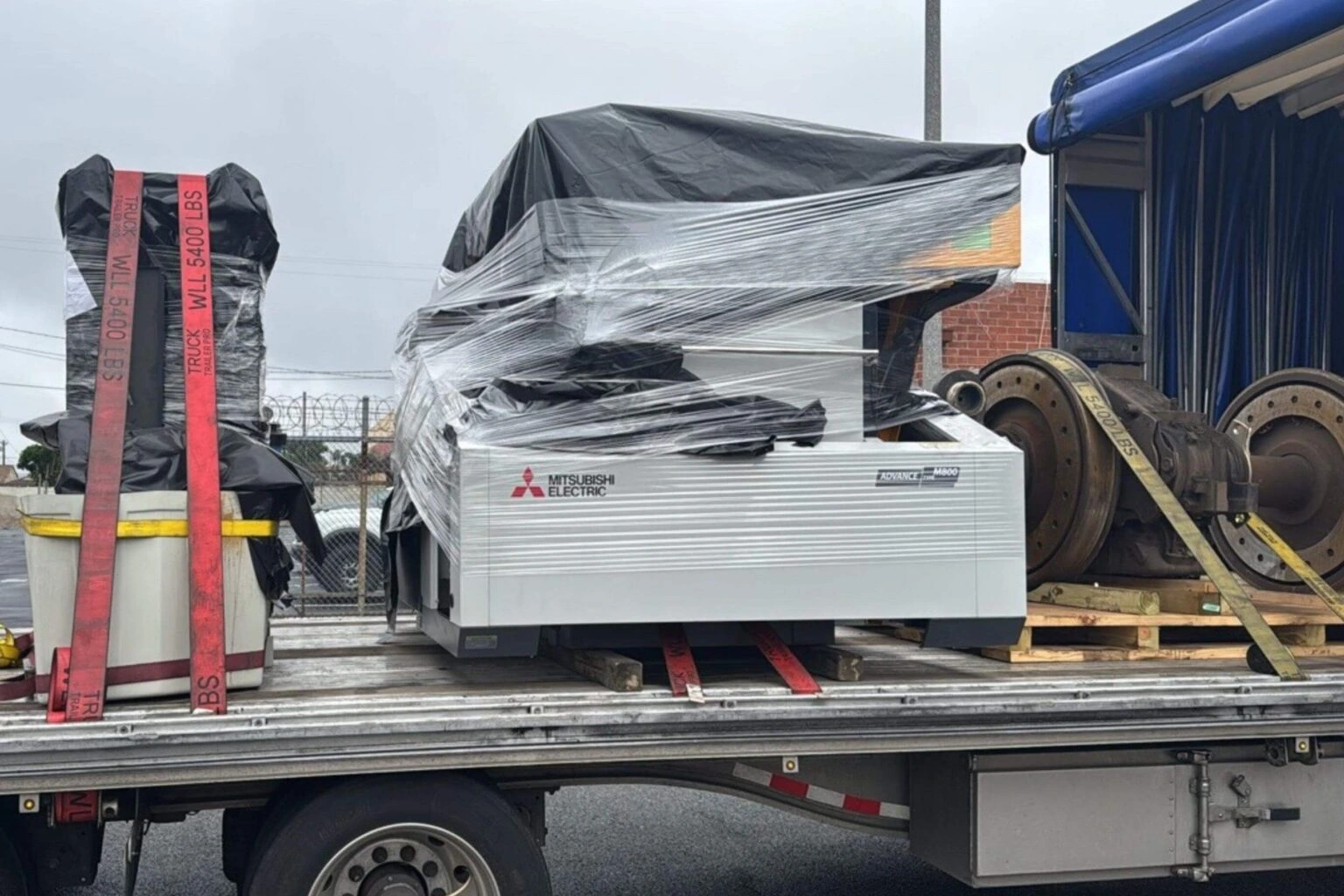
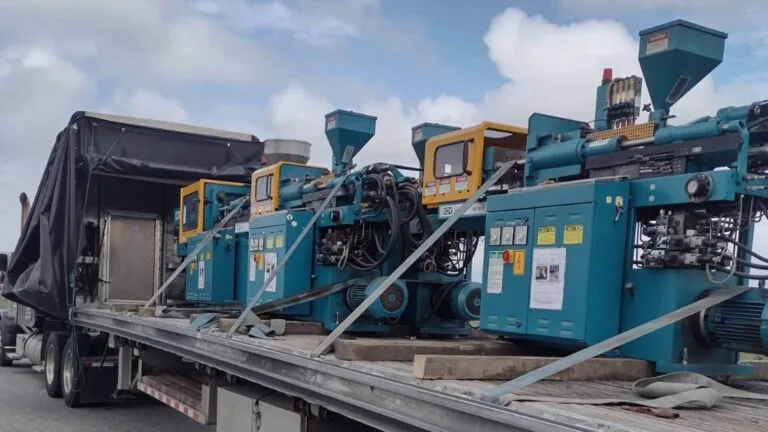
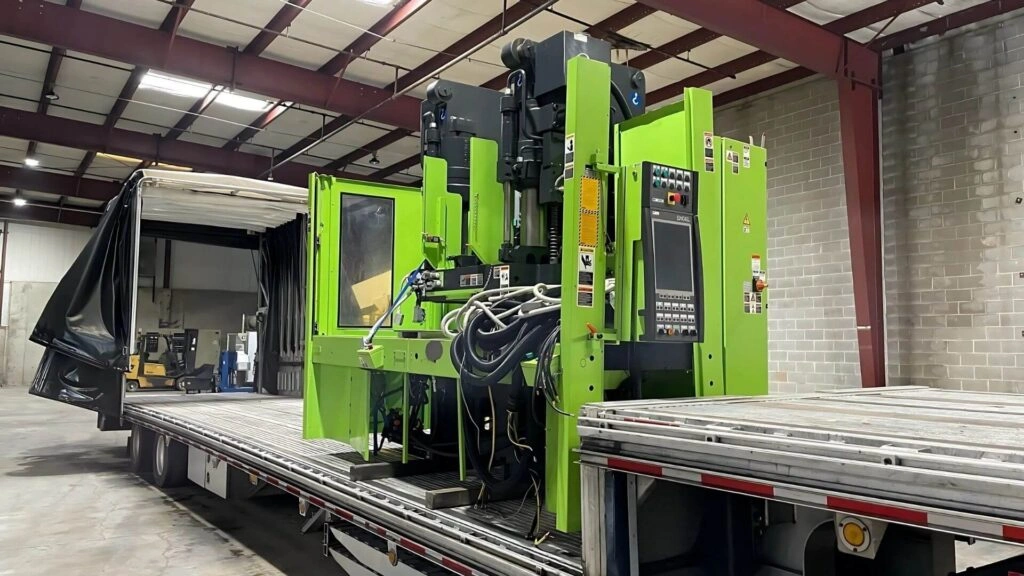
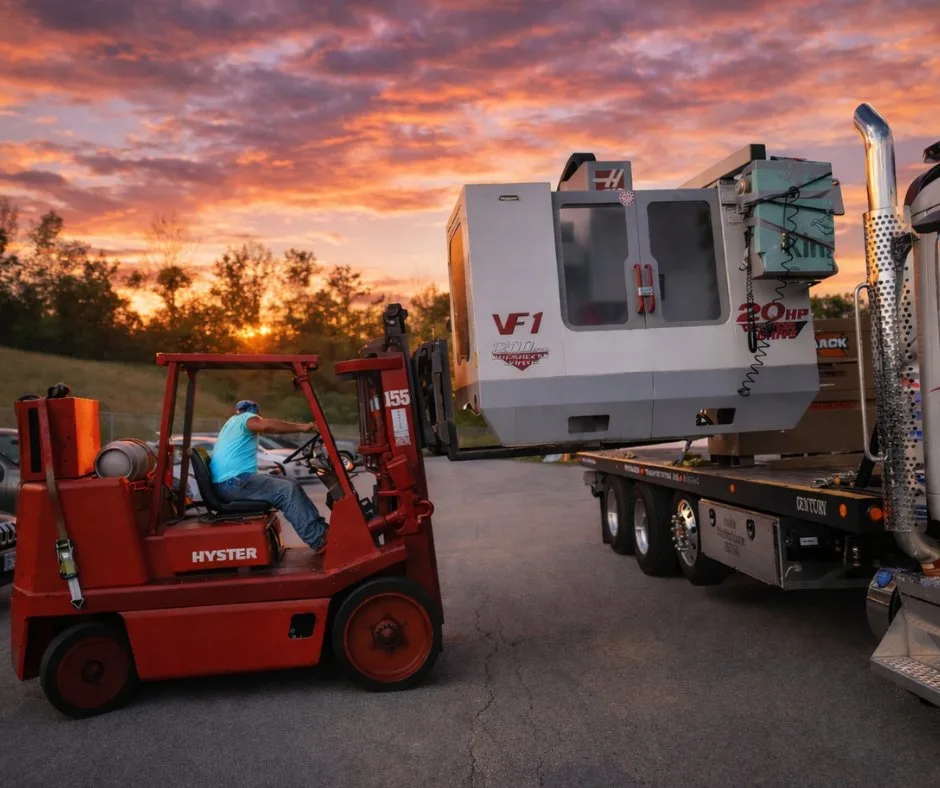
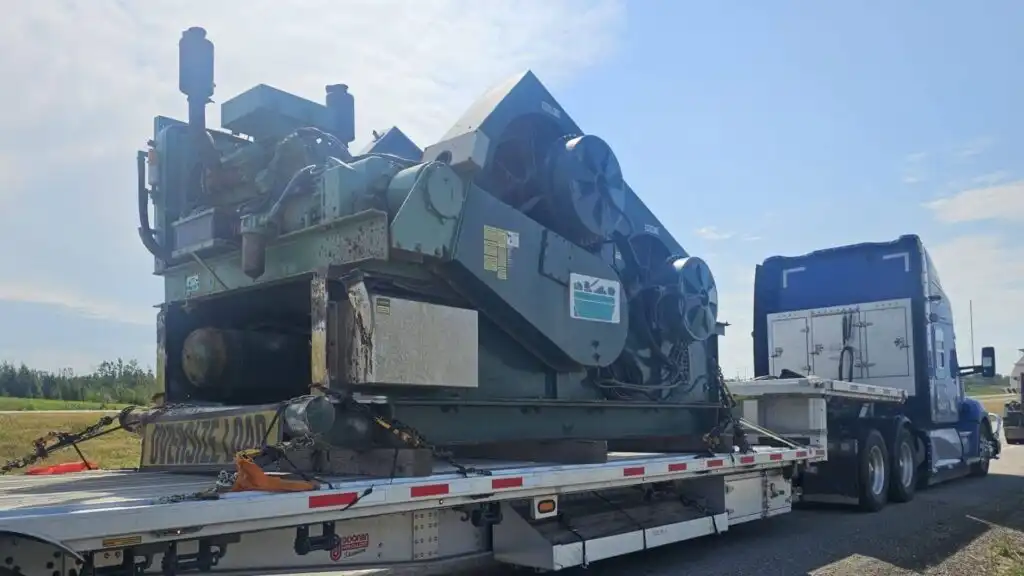
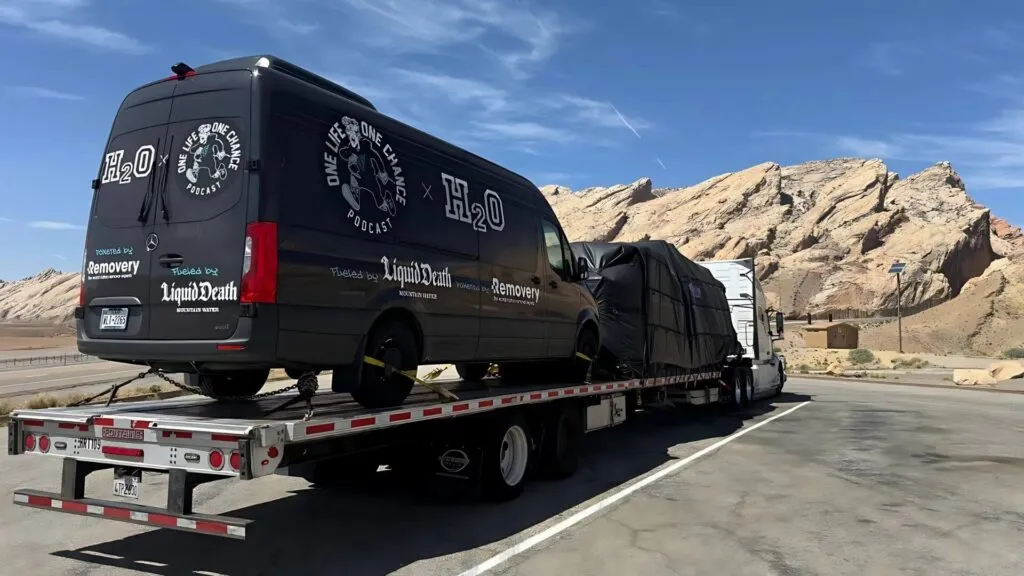
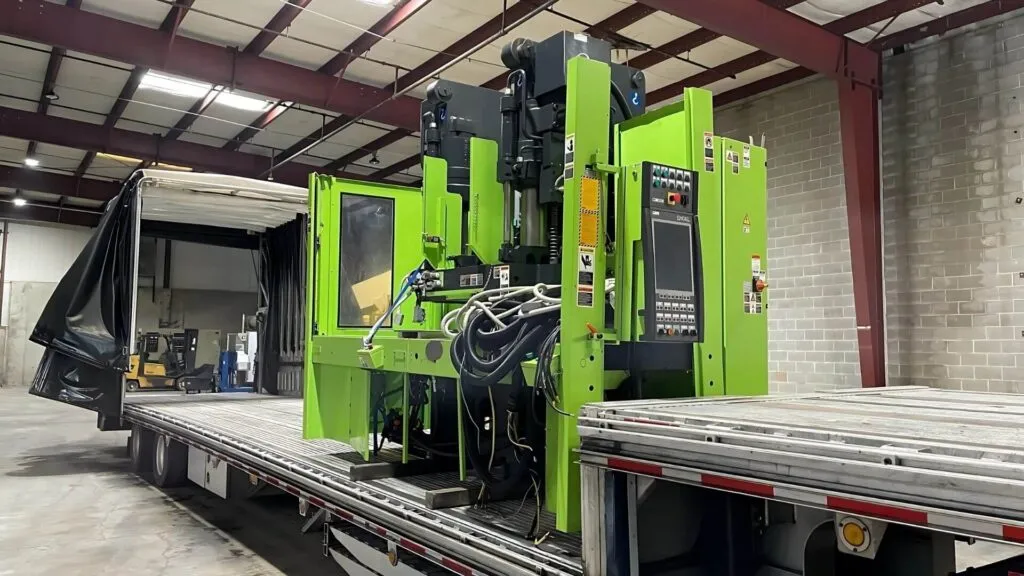
Examples of Our Conestoga Shipments
A look at how we’ve moved flatbed, stepdeck and Double drop Conestoga loads recently
Brief History of the Conestoga Trailer
Conestoga trailers were developed as a solution to a common shipping challenge: how to protect freight from weather without giving up the loading flexibility of a flatbed. Traditional tarping was labor-intensive, time-consuming, and carried safety risks. To solve this, manufacturers created a rolling tarp system that could slide open and closed along tracks, similar to the old Conestoga wagon covers of the American West. The design allowed cargo to be loaded from the top, sides, or rear, then fully enclosed for transport. Today, Conestoga trailers are widely used for machinery, precision equipment, and freight that requires both accessibility and protection.
Equipment & Load Securement
Proper securement ensures safety, compliance, and protection for your freight. Carriers follow FMCSA 393.100 cargo securement regulations and we use tools like highway to safe check carriers daily. Common Securement Tools:
Chains & Binders
for machinery, steel, and heavy freight
Straps & Edge Protectors
for finished goods and delicate cargo
Dunnage & Blocking
for balance and elevation
Our team provides guidance on securement requirements based on your freight type and route.
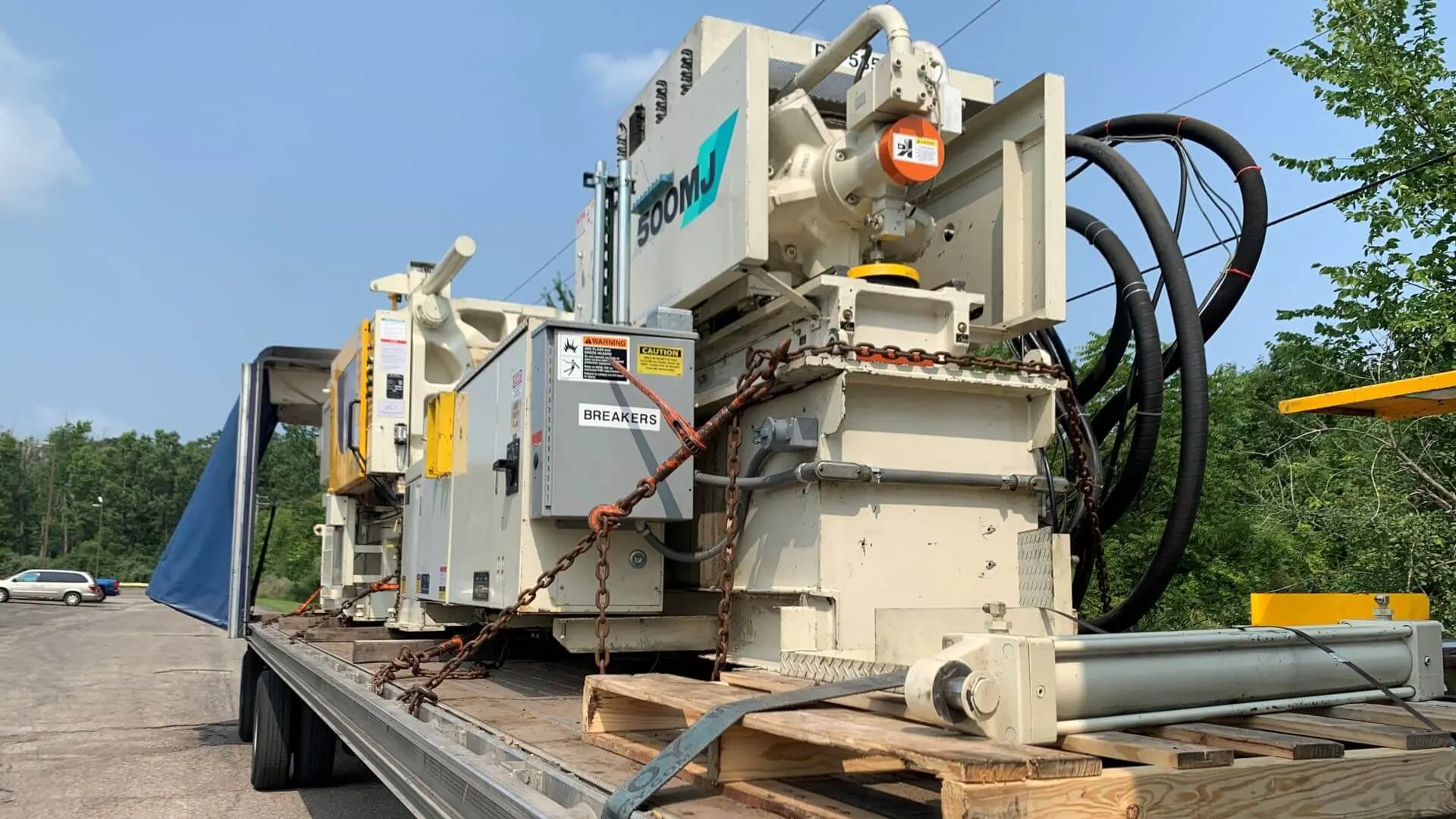
We maintain clear communication with our carriers before every pickup, ensuring the correct tiedowns, edge protection, and equipment configuration are used based on the freight requirements. Each shipment is reviewed for proper weight distribution and safe routing to prevent delays and protect your equipment. Safety and compliance are prioritized from loading through final delivery.
💡 Pro Tip: For official securement regulations and tiedown requirements, review the FMCSA Cargo Securement Rules (49 CFR 393.100–393.136) . This ensures your shop, riggers, and yard personnel are aligned with the same safety standards used across North America.
Get A Conestoga Freight Quote
Skip the phone tag. Tell us what you’re shipping and where it’s going, and we’ll build you a custom all-in quote, and message you back promptly.
Where are we shipping?
What are we moving?
Equipment Needed?
Contact Information
SSL Secure
No Obligation
24 Hr Response
Our Tranport Process
1
Freight Quote
2
Coordinate
3
Generate BOL
4
Dispatch Driver
5
ATGFR8 Tracking
6
Delivery & POD
See What People Say On Google
Our commitment to reliable service and partnership shows in our reviews. See why businesses trust us with their most critical shipments.
Explore Shipping Solutions by State
Click on a state below to view specific freight services for each state.
Past Shipment Spotlight
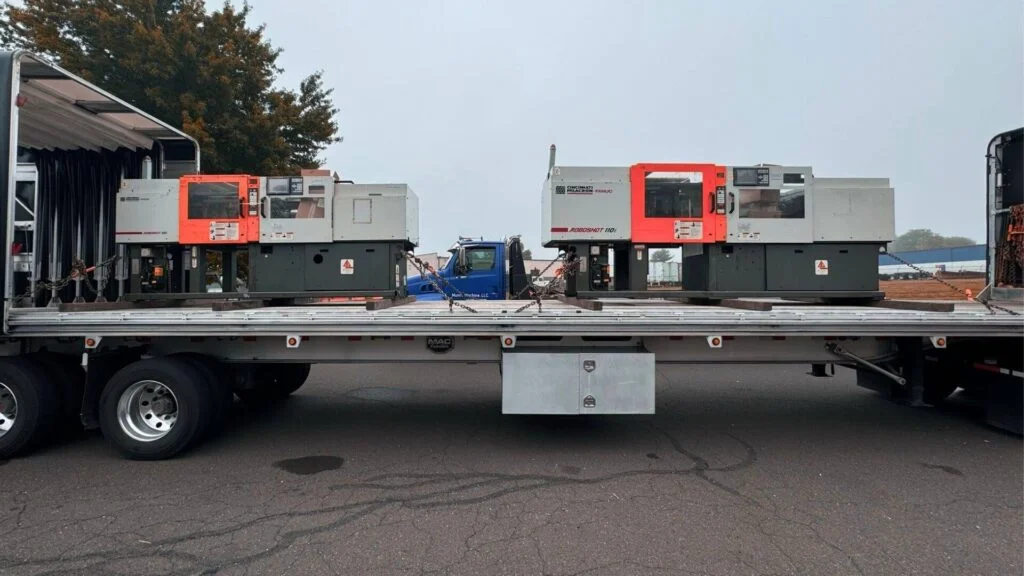
(2) Injection Molding Machines from Portland, OR to Medford, OR
Freight: (2) Used Injection Molders – 15′ L x 5′ W x 6′ H – 15,000 each
Challenge: Same day delivery, couldn’t waste time tarping
Solution:
- Dispatch Flatbed Conestoga
- Prepared accurate BOL
- Coordinate with certified rigger for delivery
From Our Blog
Insights on Shipping, Trailer Types, and Logistics Trends
Conestoga FAQs
It protects from weather and damage — no tarp rash, faster load/unload.
Flatbed: 8'8", Step Deck: 9'8", Double Drop: 11'10"
Yes, if within height/width limits. For extra-large freight, we’ll advise an RGN or permit move.
Yes, nationwide — or we’ll work with your existing partners.
Yes — we offer direct and transload options into Canada and Mexico.
Slightly higher than a flatbed, but far less risk and damage cost.
Need A Conestoga?
Get expert guidance, real-time visibility, and top-tier protection.