
The Trailer That Protects Like a Van, Loads Like a Flatbed
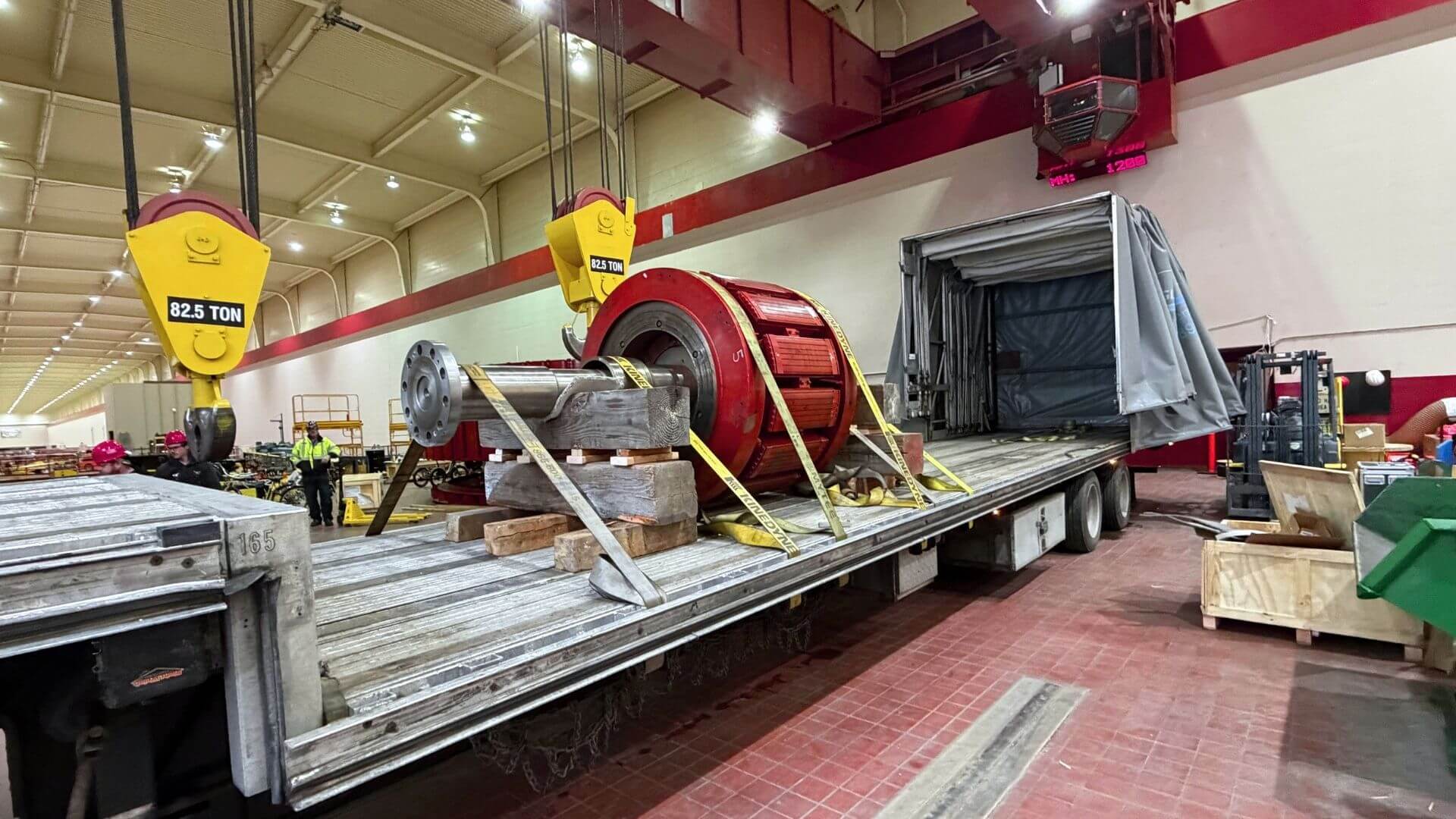
If you have ever shipped a CNC machine, a press brake, or any piece of industrial equipment with an enclosure and watched it arrive with tarp rash across the control panel, you already understand why Conestoga trailers exist.
A Conestoga trailer is an open-deck trailer equipped with a rolling aluminum-frame tarp system that slides fully over the load from front to back, enclosing it completely without touching any surface of the cargo. It is not a tarp draped over a machine. It is a rigid arch structure that creates a protected tunnel over the freight, keeping it sealed from weather and road debris for the entire transit, no matter the distance.
For the right freight, a Conestoga is not a premium upgrade. It is the correct answer.
This guide covers what a Conestoga trailer is, the three types and their specs, what freight belongs on each one, and when a standard flatbed tarp is a legitimate alternative versus when it will cost you more in damage than the upgrade was worth.
How a Conestoga Trailer Works
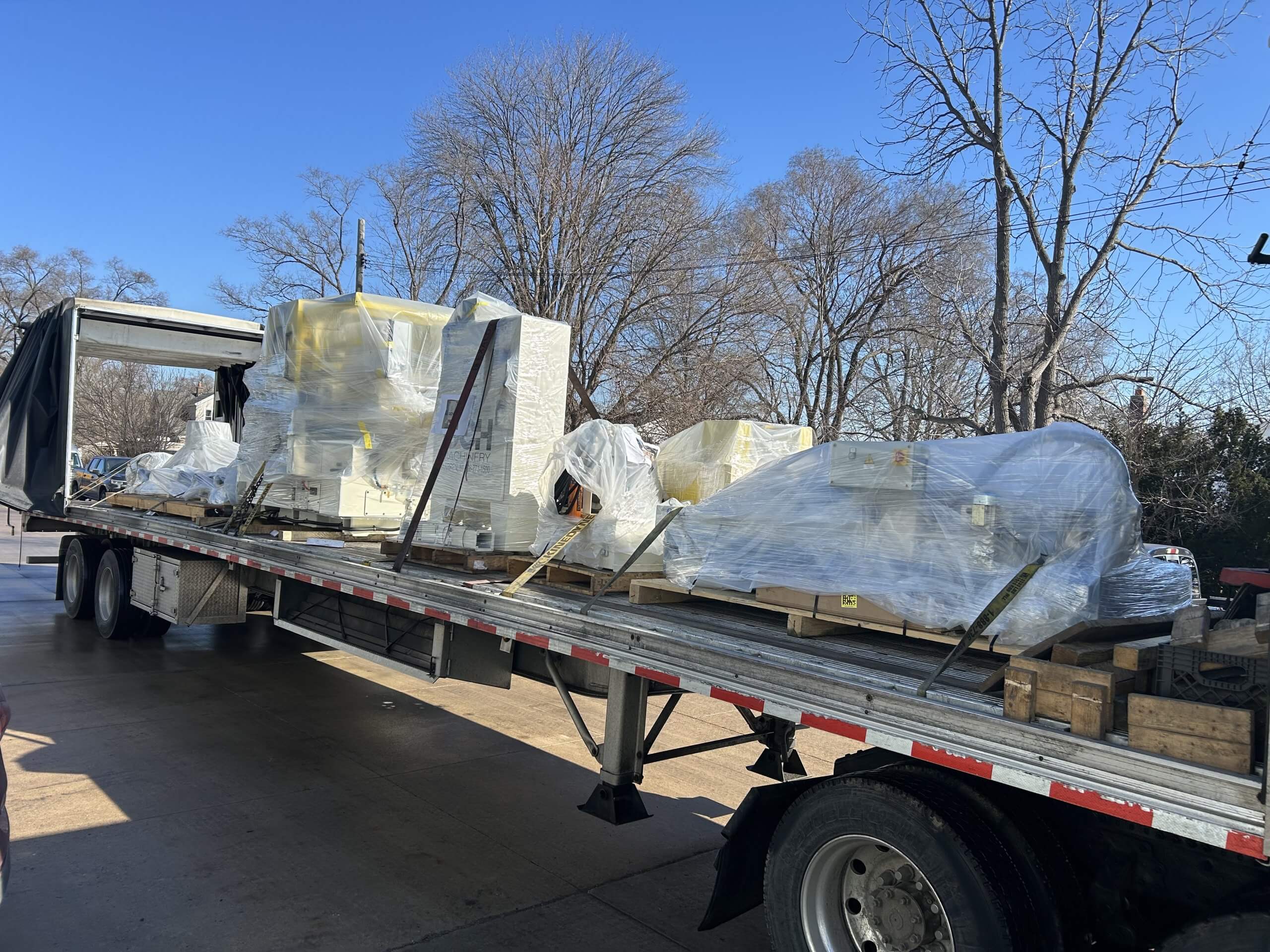
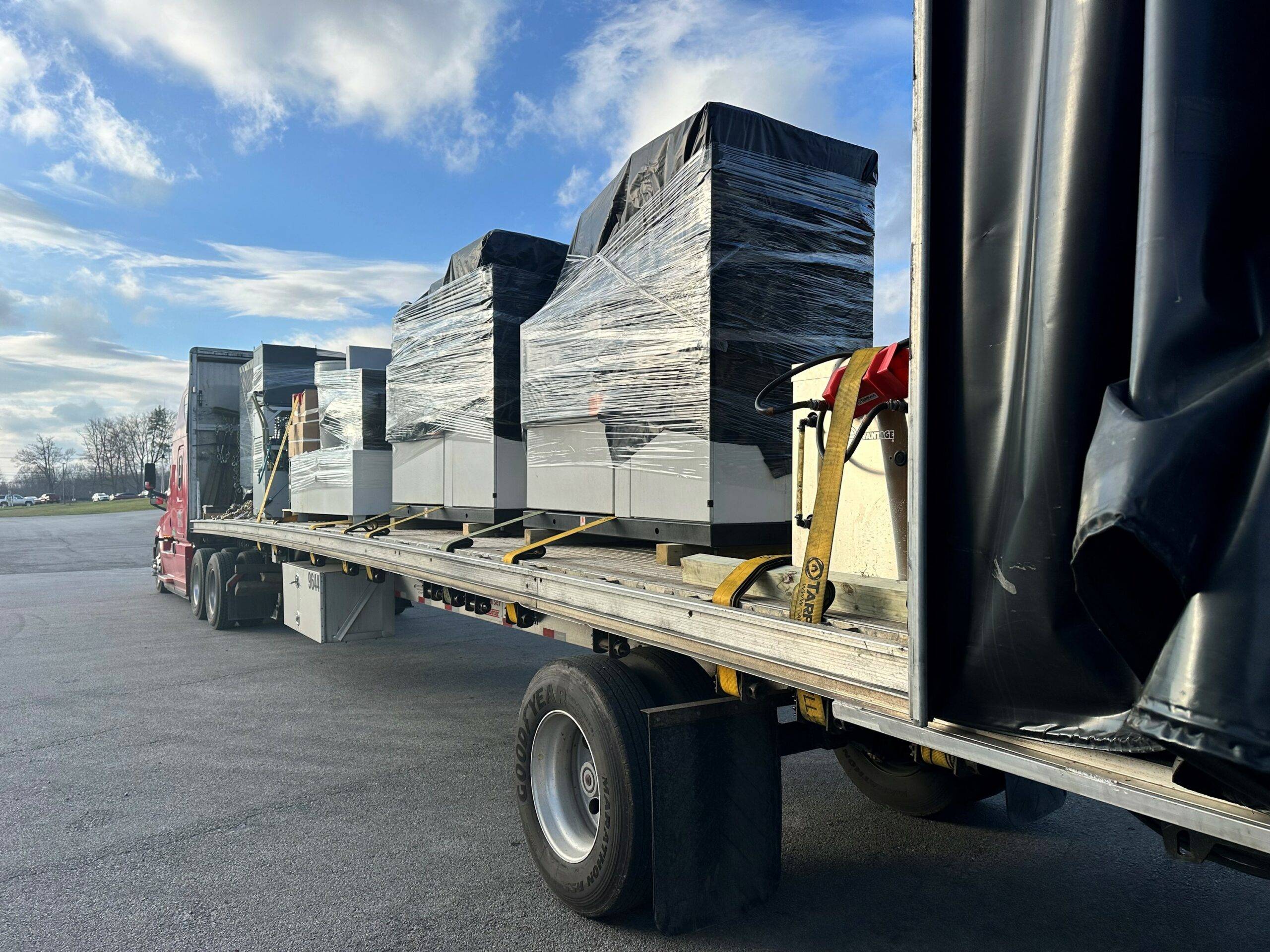
The Conestoga system was developed by Aero Industries and uses an aluminum bow-and-cable frame mounted to the trailer deck. The tarp rolls along the frame on a track system, opening fully from either end to allow crane, forklift, or side loading. Once the freight is loaded and secured, the tarp rolls closed and latches at both ends, creating a fully enclosed environment with zero tarp-to-cargo contact.
This matters because of what traditional tarping does to machinery in transit:
A canvas tarp draped over a Haas VMC or a Mazak lathe will contact every raised surface, panel edge, and glass window over thousands of miles of road vibration. That contact causes abrasion to painted enclosures, moisture trapping against electronics, and direct pressure on components not designed to bear it. The damage is often subtle enough that it is not caught at delivery but shows up later as finish degradation, moisture ingress in the electrical cabinet, or scratched glass.
The Conestoga eliminates all of that because the tarp never touches the machine.
The 3 Types of Conestoga Trailers
Type 1: Conestoga Flatbed
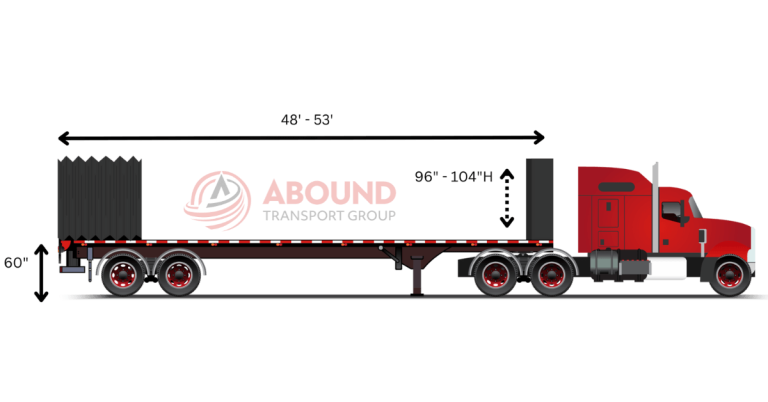
Deck height: 60 inches
Inside height clearance: 96 to 104 inches
Inside width: 102 inches
Length: 48 to 53 feet
Weight capacity: approximately 45,000 to 47,000 lbs
The Conestoga Flatbed is the most common variant and the right starting point for most machinery and industrial freight that does not exceed 96 to 104 inches in total height on the deck.
The deck sits at standard flatbed height, 60 inches off the ground, which means your machine’s total height (machine plus any skid or pallet) has to stay within the Conestoga’s inside height clearance to fit under the frame. For most compact CNC machines, injection molders, press brakes, and palletized precision equipment, the Conestoga Flatbed is the correct choice.
Best for:
- Compact CNC machines under 84 inches tall (on skid)
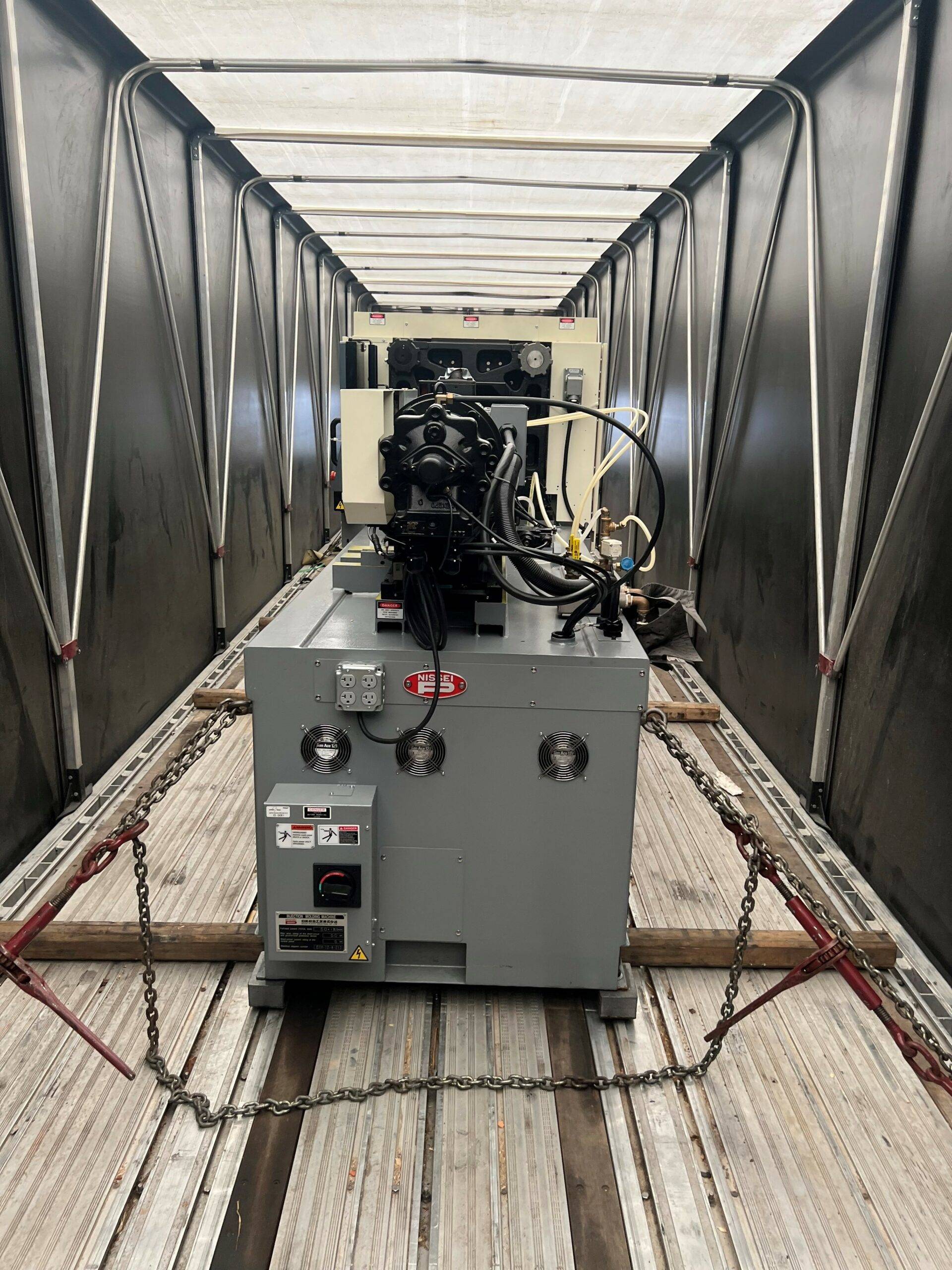
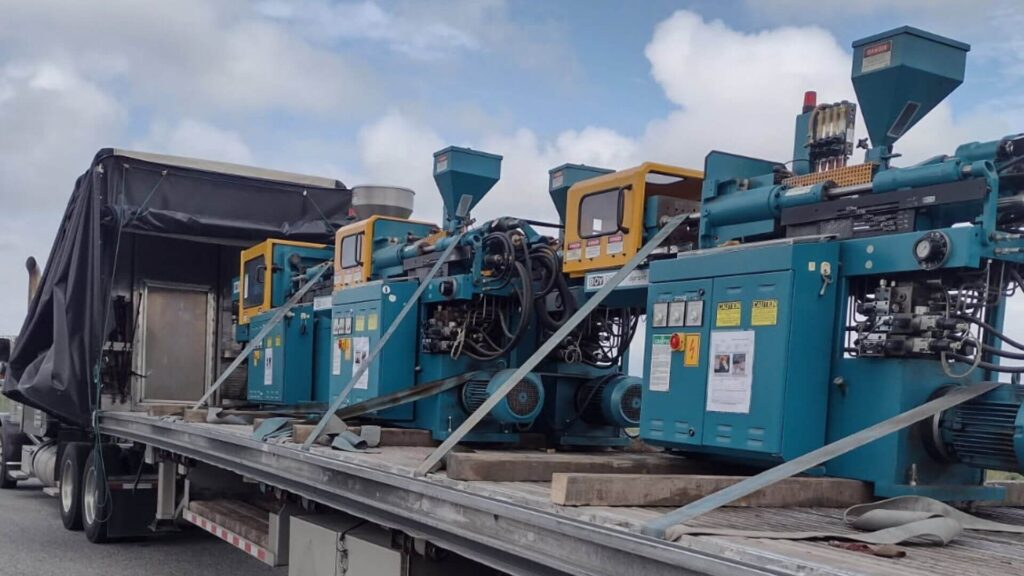
- Injection molding machines with a low profile
- Laser cutters and plasma machines with control pendants on the exterior
- Palletized industrial equipment with finished surfaces
- Steel fabrications or panels where surface contact matters
- Any machinery where a standard tarp would directly contact the exterior
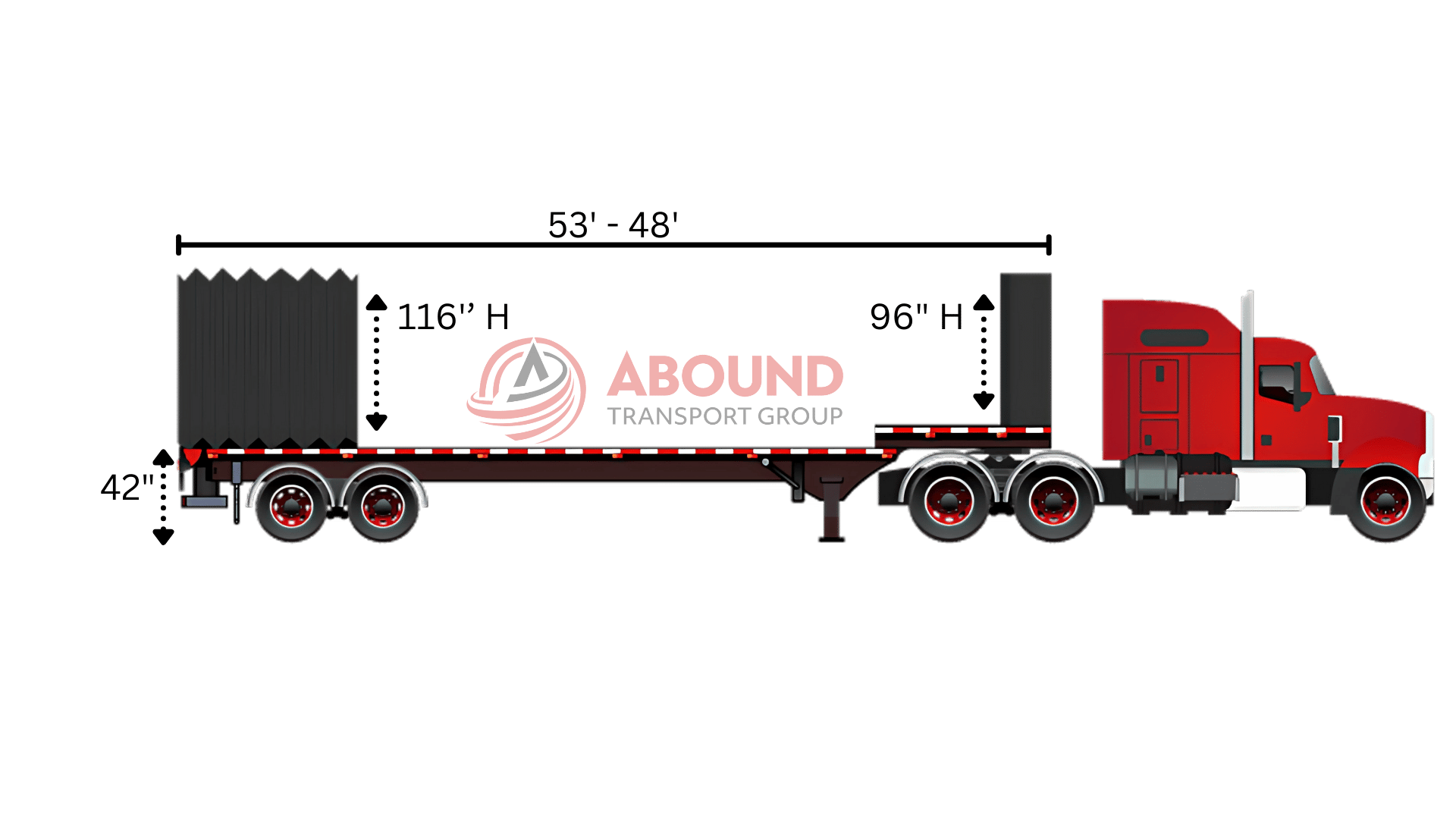
Type 2: Conestoga Step Deck
Lower deck height: 42 inches
Upper deck height: 60 inches
Lower deck inside height clearance: 116 inches
Upper deck inside height clearance: 96 inches
Inside width: 102 inches
Length: 48 to 53 feet
Weight capacity: approximately 44,000 lbs
The Conestoga Step Deck is the most commonly specified trailer for CNC machinery transport at Abound Transport Group, and for good reason. The 18-inch drop from a flatbed deck to a step deck lower deck translates directly into 18 more inches of usable cargo height under the Conestoga frame. That clearance is what allows taller machining centers, lathes, and horizontal machining centers to ship legally without overheight permits in most states.
The math is straightforward. A Haas VF-4 at approximately 105 inches tall sits on the 42-inch lower deck. Total height is 147 inches, which is just over 12 feet, well under the 13-foot 6-inch legal limit in most states. The same machine on a standard flatbed at 60 inches puts the total at 165 inches, which is over the limit and requires an overheight permit.
The Conestoga Step Deck solves the height and the surface protection in a single trailer.
Best for:
- Haas VF-series vertical machining centers
- Mazak Integrex, QT, and horizontal systems
- Okuma lathes and turning centers
- DMG MORI 5-axis machining centers
- Press brakes over 90 inches tall
- Trumpf and Bystronic laser systems
- Any CNC machine with a painted enclosure, exterior glass, or control panel that must not be tarp-contacted
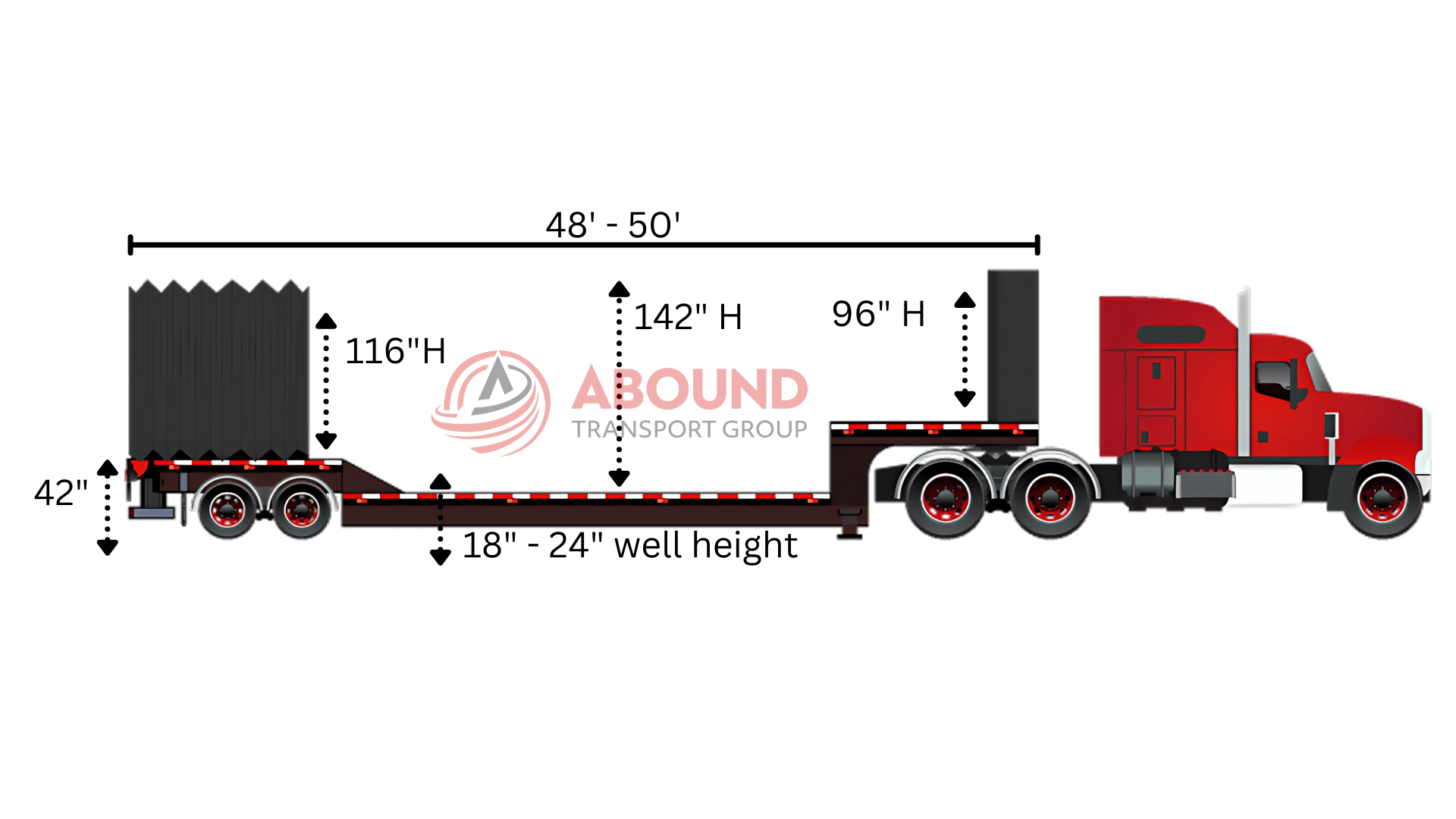
Type 3: Double Drop Conestoga
Well deck height: 18 to 24 inches
Well inside height clearance: 142 inches
Lower deck (rear) inside height clearance: 116 inches
Upper deck inside height clearance: 96 inches
Inside width: 102 inches
Length: 48 to 50 feet
Weight capacity: approximately 35,000 to 40,000 lbs
The Double Drop Conestoga is the specialized option for freight that is too tall for even a step deck but requires the same tarp-free surface protection. The well sits 18 to 24 inches off the ground, giving an inside clearance of 142 inches in the well under the Conestoga frame. That is nearly 12 feet of usable cargo height, fully enclosed.
This trailer is not as common as the flatbed or step deck variants because the cargo weight limit is lower (approximately 35,000 to 40,000 lbs) and availability is tighter. But for precision equipment that is both tall and surface-sensitive, it is the only trailer that delivers both the clearance and the protection.
Best for:
- Very tall vertical machining centers over 116 inches
- Large CNC grinding machines and boring mills
- Tall robotics systems and automation equipment
- Medical imaging and lab equipment requiring full enclosure
- High-precision equipment over 116 inches that cannot tolerate tarp contact
Conestoga vs. Tarped Flatbed: When Does It Actually Matter?
This is the real question machinery buyers and plant managers ask, and most freight brokers do not answer it honestly because they are selling whatever trailer is available.
Here is the straight answer:
A tarped flatbed is fine for: Structural steel, lumber, palletized materials in cardboard or shrink wrap, crated equipment where the crate takes the tarp contact, and any freight where the outer surface is not sensitive to abrasion, moisture, or pressure.
A Conestoga is necessary for: Anything with a painted enclosure, exterior glass, control panels, exposed electronics, or finished surfaces that will be in contact with a moving canvas tarp for hundreds or thousands of miles. CNC machines, laser systems, press brakes with painted enclosures, precision grinding machines, robotics, and automation equipment all fall in this category.
The cost difference between a tarped flatbed and a Conestoga is typically 15 to 30 percent. On a machine worth $120,000, that premium is a straightforward decision. Tarp rash on a control panel or moisture in an electrical cabinet on a used machine with no manufacturer warranty is not a recoverable situation.
| Freight Type | Tarped Flatbed | Conestoga |
|---|---|---|
| Steel, lumber, construction materials | Fine | Not necessary |
| Crated equipment | Fine | Not necessary |
| CNC machines with enclosures | Risk of tarp rash | Correct choice |
| Machines with exterior glass | Risk of damage | Correct choice |
| Precision equipment with electronics | Risk of moisture | Correct choice |
| Injection molders with control panels | Risk of contact damage | Correct choice |
| Palletized industrial freight | Fine | Optional upgrade |
Conestoga Trailer Quick-Reference by Machine Type
| Machine Type | Recommended Conestoga Variant |
|---|---|
| Compact VMC or lathe under 84 inches | Conestoga Flatbed |
| Haas VF-2, VF-3 | Conestoga Flatbed/Stepdeck |
| Haas VF-6, VF-6SS, large VMC | Conestoga Step Deck or Double Drop |
| Mazak QT series lathe | Conestoga Step Deck |
| Mazak Integrex, horizontal systems | Conestoga Step Deck |
| Trumpf or Bystronic laser | Conestoga Flatbed or Step Deck |
| Press brake under 90 inches | Conestoga Flatbed |
| Press brake over 90 inches | Conestoga Step Deck |
| Injection molder under 102 inches tall | Conestoga Flatbed |
| Large injection molder over 102 inches | Conestoga Step Deck |
| Very tall machine over 118 inches, surface-sensitive | Double Drop Conestoga |
Loading a Conestoga Trailer
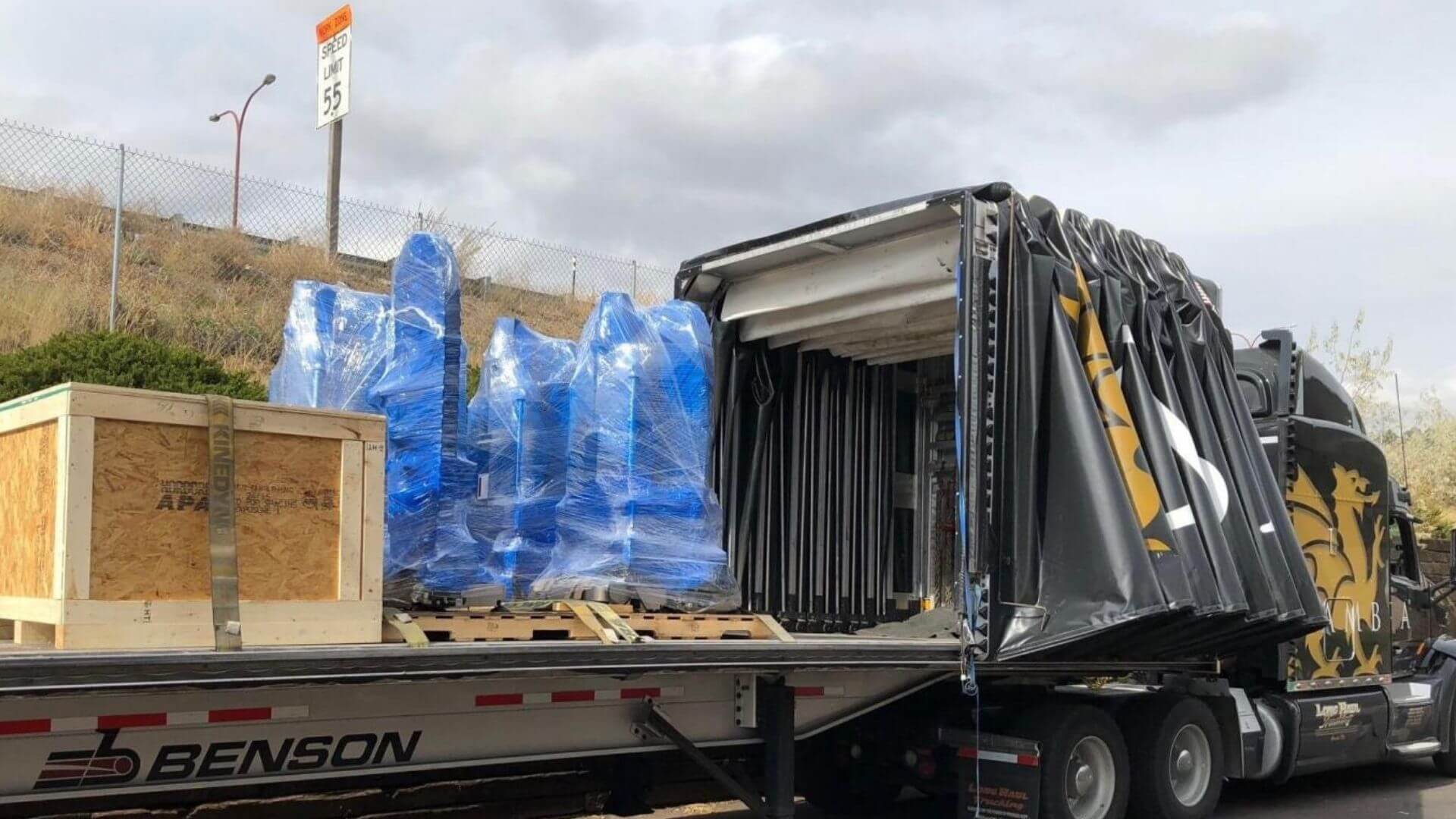
One of the practical advantages over a dry van is loading flexibility. A Conestoga can be loaded from:
The side by crane or forklift. The tarp rolls to one end, the machine loads from the side, the tarp rolls back. This is the most common loading method for CNC machines and industrial equipment.
The top by overhead crane, which is common in manufacturing facilities with bridge cranes. The Conestoga frame opens fully for top loading.
The rear by forklift if the machine footprint and weight allow rear loading. Less common for heavy machinery but used for palletized and crated loads.
One width constraint to note: Conestoga trailers cannot accommodate freight wider than 102 inches (8 feet 6 inches). Machinery that exceeds this width must travel on an open flatbed or step deck with conventional tarps and a wide-load permit. The rolling frame system is fixed at 102 inches of interior clearance.
Abound Transport Group: CNC Machinery Conestoga Specialists
Conestoga trailers are the backbone of our CNC machinery transport service. We book Conestoga flatbeds, Conestoga step decks, and double drop Conestogas daily for machines from Haas, Mazak, Okuma, DMG MORI, Trumpf, Bystronic, Amada, and dozens of other brands across North America.
Our process on every Conestoga move:
- Confirm machine dimensions and specify the correct variant
- Source a vetted Conestoga carrier from Armstrong’s 85,000+ network
- Coordinate rigging at pickup for crane or forklift loading
- Confirm tarp closure and securement photos before the truck leaves
- Provide real-time GPS tracking through the ATGFr8 portal
- Confirm delivery and send digital paperwork
All-risk cargo insurance up to $2.5 million per shipment available on every move.
Get a Conestoga freight quote for your machine.
(800) 957-2558 | Monday to Friday, 5:30 AM to 5:00 PM PST
Frequently Asked Questions
A Conestoga trailer is an open-deck flatbed, step deck, or double drop trailer equipped with a rolling aluminum-frame tarp system. The tarp slides over the cargo on a track from one end of the trailer to the other, fully enclosing the load without any contact between the tarp and the freight. It combines the loading flexibility of a flatbed with the weather protection of an enclosed trailer.
On a tarped flatbed, a canvas tarp is manually draped over the cargo and tied down, making direct contact with every surface it covers. On a Conestoga, an aluminum frame arches over the load and the tarp rolls over that frame, never touching the cargo. For machinery with painted enclosures, glass, or electronics, the Conestoga eliminates tarp rash and moisture contact that a standard tarp cannot prevent over long hauls.
There are three main types: the Conestoga Flatbed (standard deck height, up to 104 inches inside clearance), the Conestoga Step Deck (lower rear deck, up to 116 inches inside clearance), and the Double Drop Conestoga (very low well deck, up to 142 inches inside clearance in the well). The right type depends on your freight's height, weight, and surface sensitivity.
Conestoga Flatbed: 96 to 104 inches inside clearance. Conestoga Step Deck lower deck: 116 inches. Double Drop Conestoga well: 142 inches. All heights are measured from the deck to the inside of the tarp frame.
Conestoga trailers are limited to a maximum interior width of 102 inches. Freight wider than this must use a standard open-deck trailer with conventional tarps. For height, the Conestoga's clearance limits apply as above. For weight, standard legal limits apply unless multi-axle configurations are used.
A Conestoga typically runs 15 to 30 percent above a standard flatbed rate depending on the lane, trailer type, and current market conditions. For surface-sensitive or high-value machinery, the premium is almost always justified by the damage prevention it provides.
Yes. Abound Transport Group operates Conestoga service across the US, Canada, and Mexico. Cross-border Conestoga moves require proper customs documentation and may involve transloading at the border for Mexico shipments. We coordinate the full process.