
You Have the Trailer. You Just Need the Truck.
Power only trucking is exactly what it sounds like. You provide the trailer. The carrier provides the tractor and the driver. The truck hooks up, picks up your pre-loaded trailer, and hauls it to its destination.
That is the whole concept. But the reasons a shipper chooses power only over standard truckload service go deeper than just having a spare trailer sitting in a yard, and getting it right saves real money and real time for the right operation.
This guide explains how power only trucking works, who it makes sense for, what trailer types are compatible, and how to use it well.
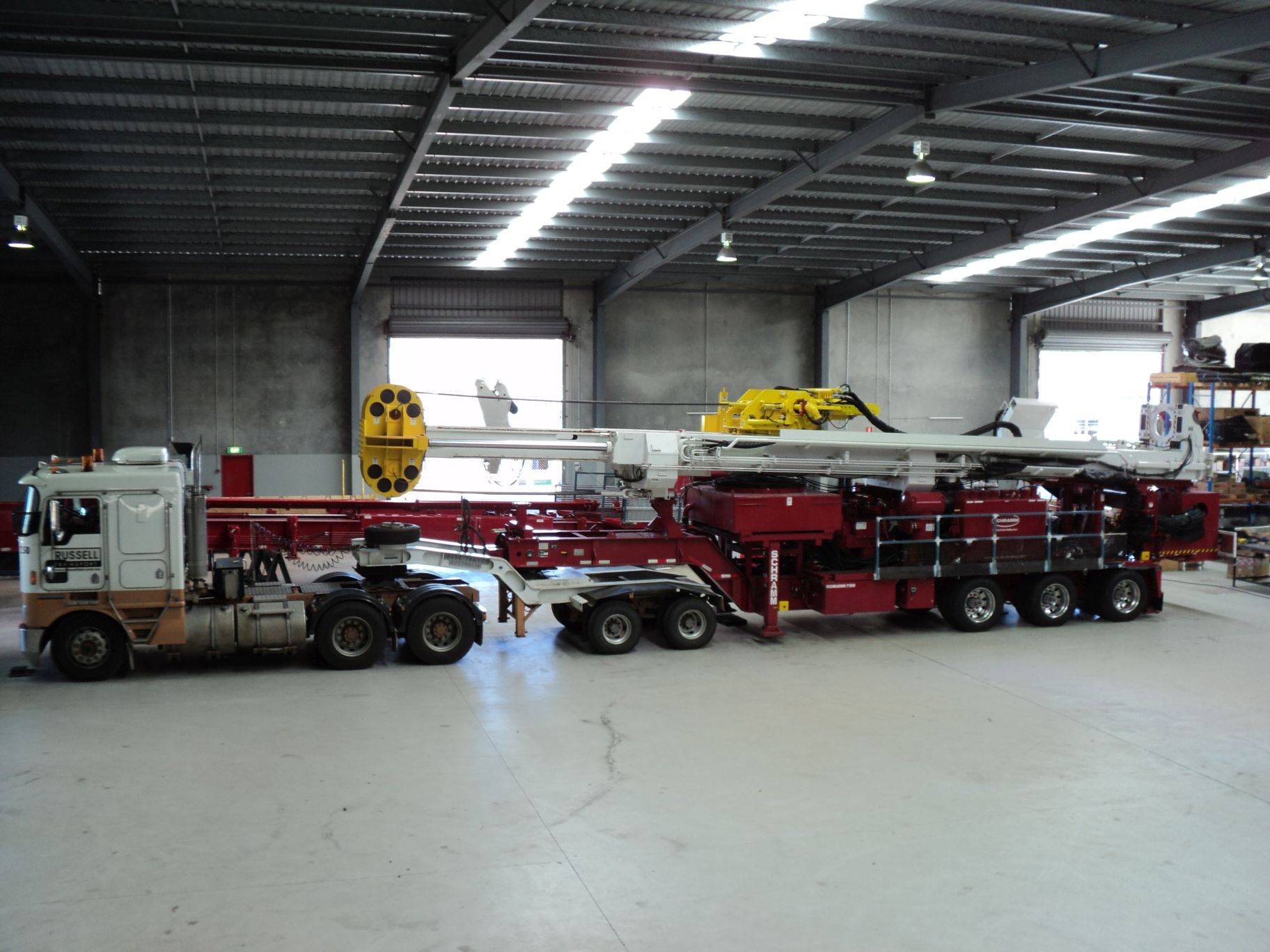
How Power Only Trucking Actually Works
In a standard truckload move, the carrier brings both the tractor and the trailer. The trailer gets loaded at your facility, the driver hauls it, and the carrier’s trailer comes back to them after delivery.
In a power only move, the carrier brings only the tractor. Your trailer is already loaded and waiting. The driver hooks to it, performs a pre-trip inspection, and moves it. At delivery, the driver unhooks and the trailer stays with you or your consignee.
This structure is common in several real-world situations:
Drop and hook yards. Large shippers with trailer pools use power only constantly. A trailer is pre-loaded and dropped at a pickup yard. A power only carrier hooks to it and runs it to the destination without any waiting time for loading. This keeps freight moving fast and eliminates driver detention.
Owned trailer fleets. Manufacturing plants, distributors, and equipment dealers who own their trailers but do not operate their own tractors use power only to move freight without building a driver fleet.
Trailer repositioning. A trailer that ended up in the wrong market needs to get repositioned to where it is needed. Power only is how that happens without sending a full truck-and-driver setup from home base.
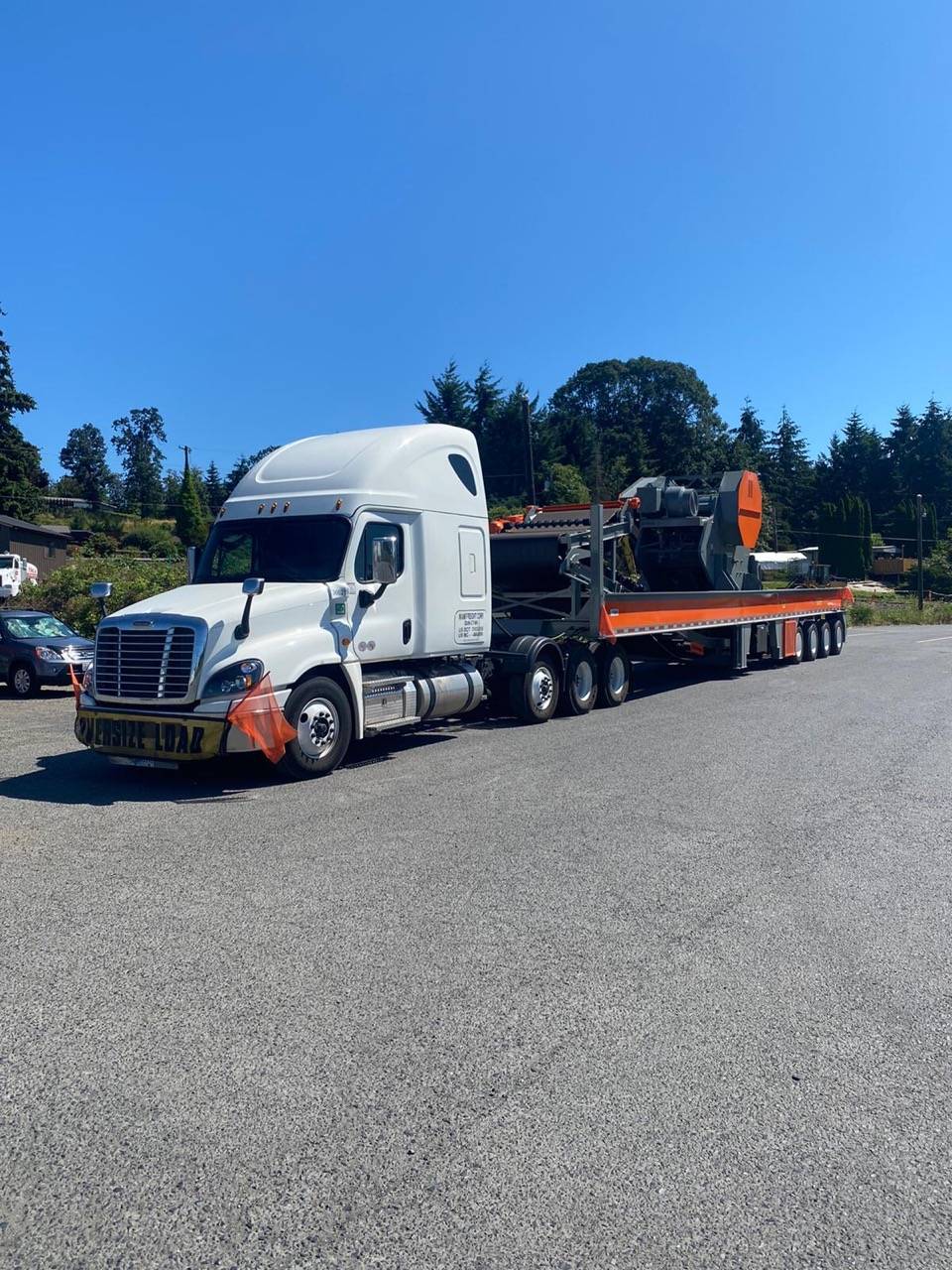
Equipment on wheels. A machine or piece of equipment that is already loaded on a company-owned flatbed or step deck trailer and just needs a tractor to haul it to a new facility or job site.
Auction purchases on shipper trailers. A buyer with their own open-deck trailer can pre-stage it at an auction yard or seller’s location and have a power only carrier hook and haul.
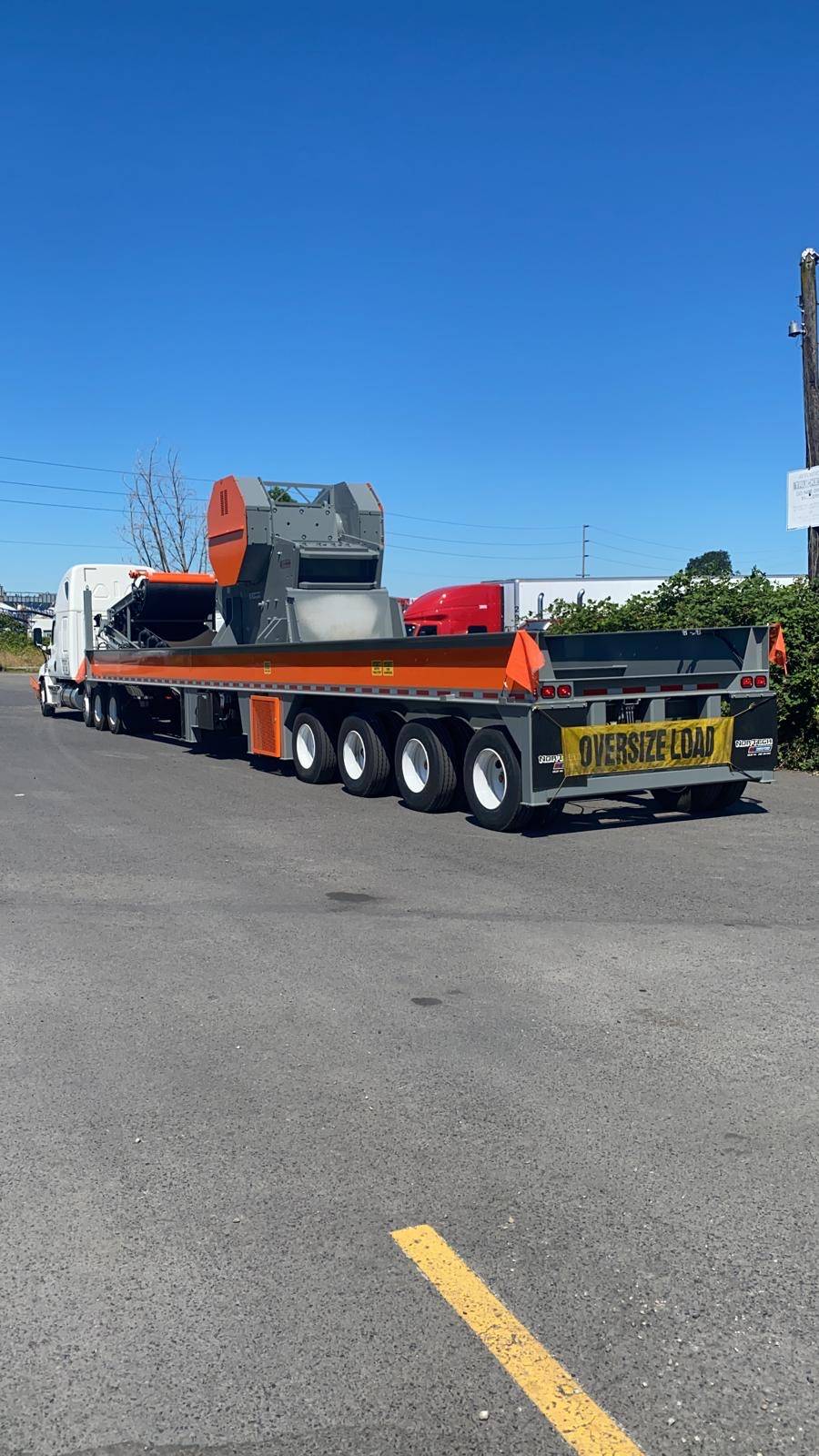
What Trailer Types Work With Power Only
Power only is not limited to any single trailer type. The carrier hooks to whatever trailer you have. The most common trailer types used in power only arrangements include:
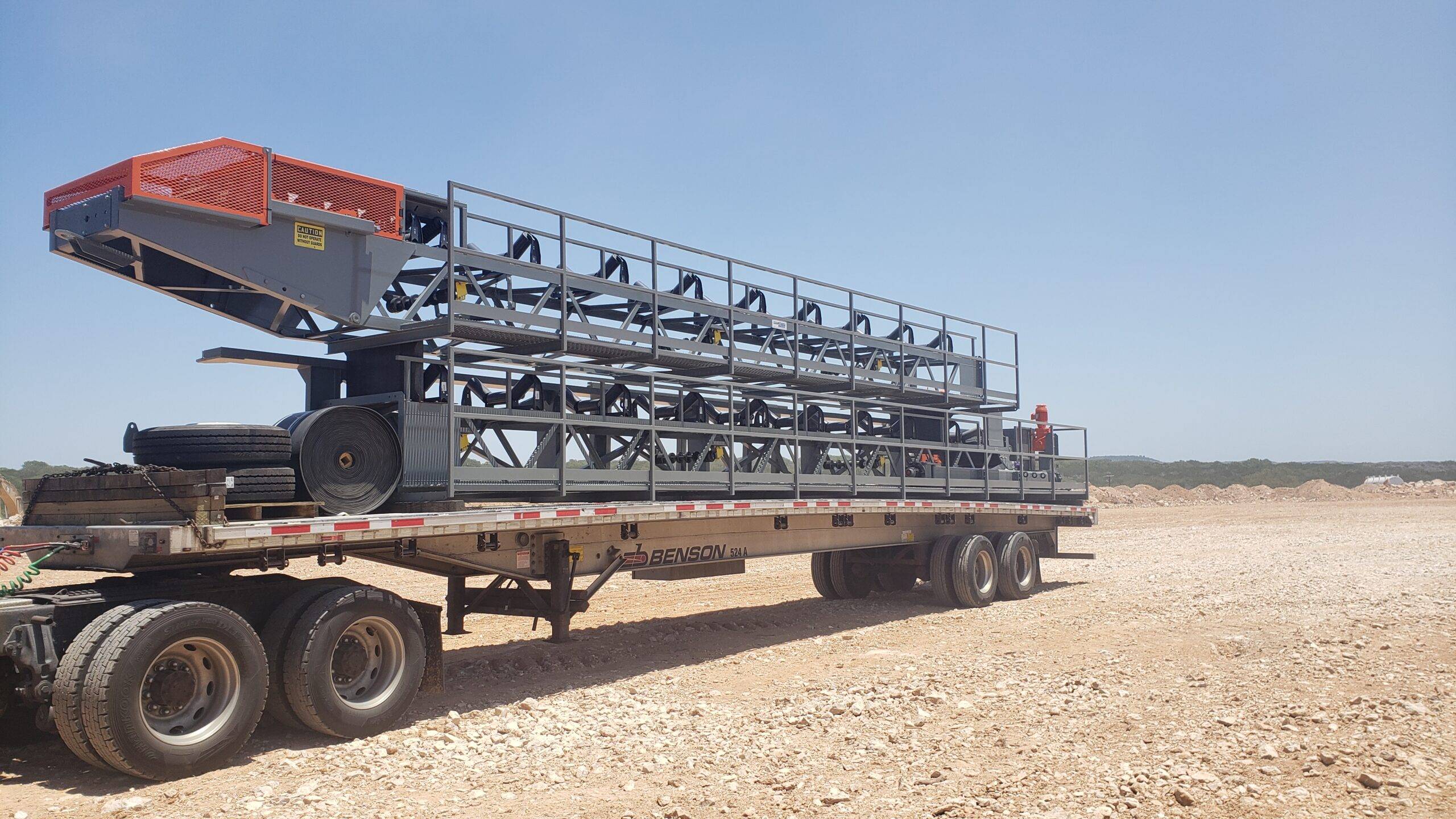
Flatbed trailers for open-deck freight including machinery, steel, lumber, construction materials, and palletized industrial equipment that loads from the side or top.
Step deck trailers for taller equipment that exceeds standard flatbed height limits. Any shipper who owns step decks and moves CNC machines, press brakes, or large industrial equipment regularly can use power only to move that freight without handing it off to a carrier’s trailer.
Conestoga trailers for shippers who own Conestoga-equipped flatbeds or step decks and want to move precision equipment, machinery with enclosures, or weather-sensitive freight. The carrier hooks up, the Conestoga protection stays on the load, and the machine ships fully enclosed.
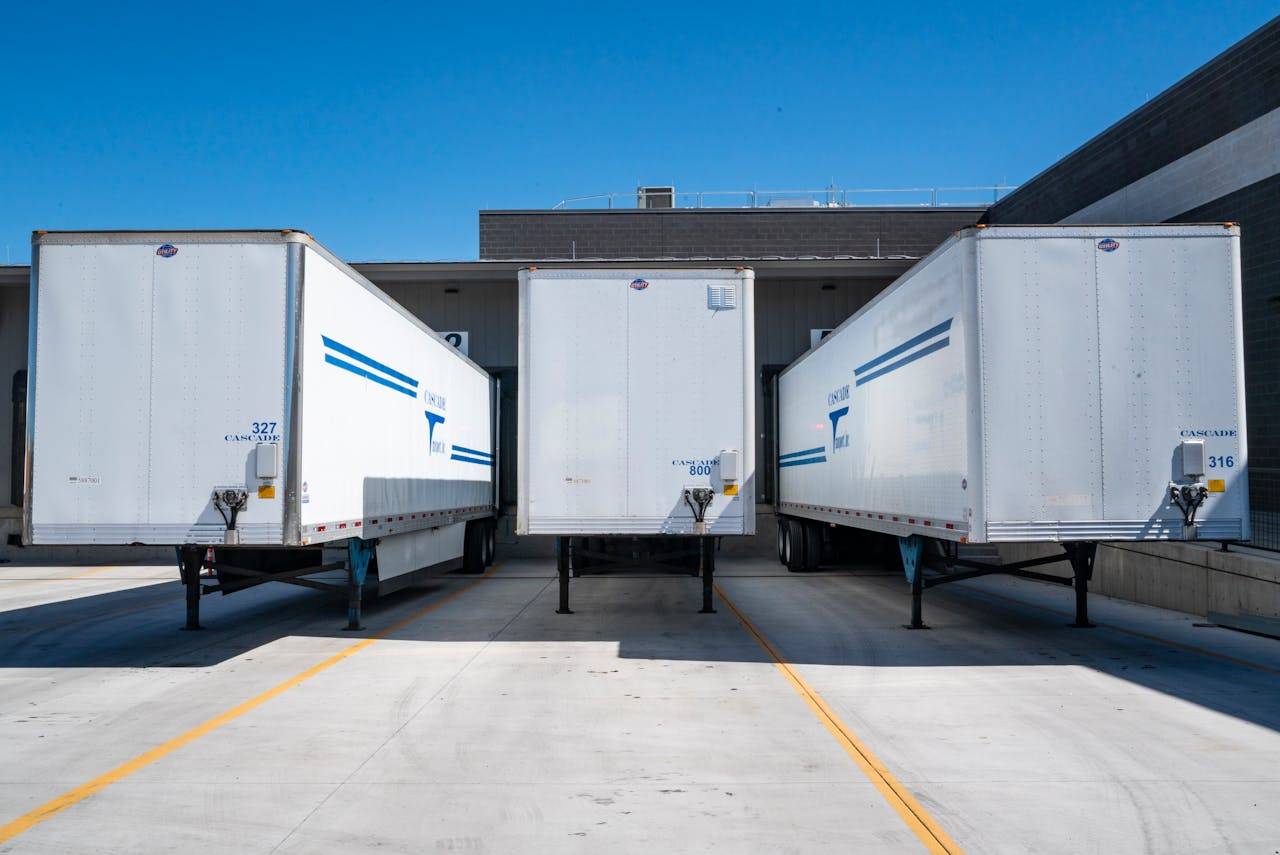
Dry van trailers for enclosed general freight that is pre-loaded and ready to move.
Refrigerated trailers for temperature-controlled freight where the shipper owns the reefer unit.
Intermodal containers on chassis for cross-border shipments or multi-modal moves where the container is already on a chassis and just needs a tractor to move it to the next leg.
Who Uses Power Only Trucking
Manufacturing plants running steady outbound volume with their own trailer fleet. Rather than maintaining a full tractor fleet alongside the trailers, they use power only capacity from a broker’s carrier network to move freight as needed, scaling up or down with demand.
Equipment dealers and machinery resellers who own flatbeds or step decks and are moving machines between facilities, to customers, or to auction yards on a regular basis. Power only lets them move their trailers on demand without a captive fleet of drivers.
Construction companies that own flatbed or step deck trailers and need to move equipment between job sites without dispatching their own drivers across long distances.
Businesses with drop-and-hook operations where pre-loading is standard practice and carrier wait time is not an option. Power only is built for this model.
Shippers relocating equipment across a plant consolidation or facility move who have their own trailers already staged with equipment but need tractors to move them all.
Power Only vs. Standard Truckload: What’s the Difference?
| Power Only | Standard Truckload | |
|---|---|---|
| Who provides the trailer | Shipper | Carrier |
| Who provides the tractor | Carrier | Carrier |
| Loading responsibility | Shipper (pre-loaded) | Flexible |
| Best for | Shipper-owned trailer fleets, drop and hook | General freight, no shipper trailer |
| Driver wait time at loading | Minimal or none | Variable |
| Cost structure | Lower (no trailer cost factored in) | Standard all-in rate |
| Flexibility | High for shippers with trailers | High for shippers without trailers |
The cost difference depends on the lane and market conditions. Because the carrier does not need to provide a trailer, power only rates are often lower than standard truckload rates on the same lane. The exact savings depend on trailer availability and whether detention or wait time is factored out of the move.
What to Have Ready Before Your Power Only Pickup
Getting a power only move right requires the trailer side of the equation to be fully prepared before the tractor arrives. Here is what needs to be in place:
Trailer in legal road condition. The driver will perform a pre-trip inspection before accepting the trailer. Lights, brakes, tires, and coupling equipment all need to be in working order. A trailer that fails inspection does not move.
Load properly secured. The cargo needs to be correctly blocked, strapped, and ready before the driver arrives. The driver is not responsible for loading or securement on a power only move. If the load is not secured when the tractor arrives, the pickup does not happen.
Correct documentation ready. Bill of Lading, any permits required for oversized loads, and any cross-border customs documentation need to be prepared before the driver hooks up.
Pickup location accessible for a semi. The tractor needs room to maneuver and hook to the trailer. Tight yards, low clearance facilities, or locations where a semi cannot physically hook up are a problem that needs to be resolved before dispatch.
Trailer registration and compliance current. The driver is responsible for the trailer the moment they hook up. They need to confirm registration is current and that the trailer is legal to pull on public roads.
Cross-Border Power Only
Power only trucking works for US-Canada and US-Mexico shipments with the right documentation and planning.
US to Canada: The trailer crossing requires standard customs documentation on both sides. Your trailer needs to be CTPAT compliant if you participate in that program, and all cargo paperwork needs to be accurate for border crossing. Abound Transport Group coordinates cross-border power only moves and works alongside customs brokers to keep the crossing smooth.
US to Mexico: Cross-border moves into Mexico typically involve a transloading point at the border where US and Mexican carriers exchange the load. Full door-to-door power only service in Mexico requires coordination with a Mexican carrier partner. We offer direct cross-border service to handle both sides.
How Abound Transport Group Handles Power Only
We source power only capacity through Armstrong Transport Group’s 85,000+ vetted carrier network. That network means we have access to available tractors in virtually every major lane in the continental US, Canada, and cross-border Mexico, on short notice and at competitive rates.
When you contact us for a power only move, here is what happens:
- You provide the pickup location, trailer type and specs, destination, and timeline
- We source an available qualified carrier in your lane
- We coordinate the pickup window with you and the carrier
- You get real-time GPS tracking through the ATGFr8 portal from hook to delivery
- We send digital delivery confirmation and paperwork
One agent handles your load from quote to delivery confirmation. No call center. No handoff mid-shipment.
Request a power only freight quote.
(800) 957-2558 | Monday to Friday, 5:30 AM to 5:00 PM PST
Frequently Asked Questions
Power only trucking is a freight arrangement where the carrier provides only the tractor and driver, while the shipper provides the pre-loaded trailer. The carrier hooks to the shipper's trailer, transports it to the destination, and unhooks on delivery. It is commonly used by shippers who own trailer fleets and need on-demand tractor capacity without maintaining their own drivers.
In a standard truckload move, the carrier provides both the tractor and the trailer. In a power only move, the shipper provides the trailer and the carrier provides only the tractor and driver. Power only is typically faster for shippers with pre-loaded trailers and often costs less because the carrier's trailer is not factored into the rate.
Power only works with any road-legal trailer including flatbeds, step decks, Conestoga trailers, dry vans, refrigerated trailers, and intermodal chassis. The carrier inspects and hooks to the trailer at pickup, so the trailer must be in legal road condition before the driver arrives.
Power only rates vary by lane, distance, trailer type, and current market conditions. Because the carrier does not provide a trailer, power only rates are generally lower than comparable standard truckload rates on the same lane. Contact Abound Transport Group with your pickup location, destination, and trailer specs for a custom quote.
Yes. Power only works for US-Canada and US-Mexico cross-border shipments with proper documentation. Cross-border moves require customs paperwork, and Mexico moves typically involve a transloading point at the border. Abound Transport Group coordinates the full cross-border process including documentation and carrier handoffs.
Yes. In a power only arrangement, the shipper is responsible for loading and securing the cargo before the carrier arrives. The driver is not responsible for loading. They will inspect the trailer and coupling equipment, then hook up and haul. A trailer that is not loaded and secured when the driver arrives delays the pickup.