
Flatbed Trailer Dimensions & Shipping Guide
The Backbone of Open-Deck Freight
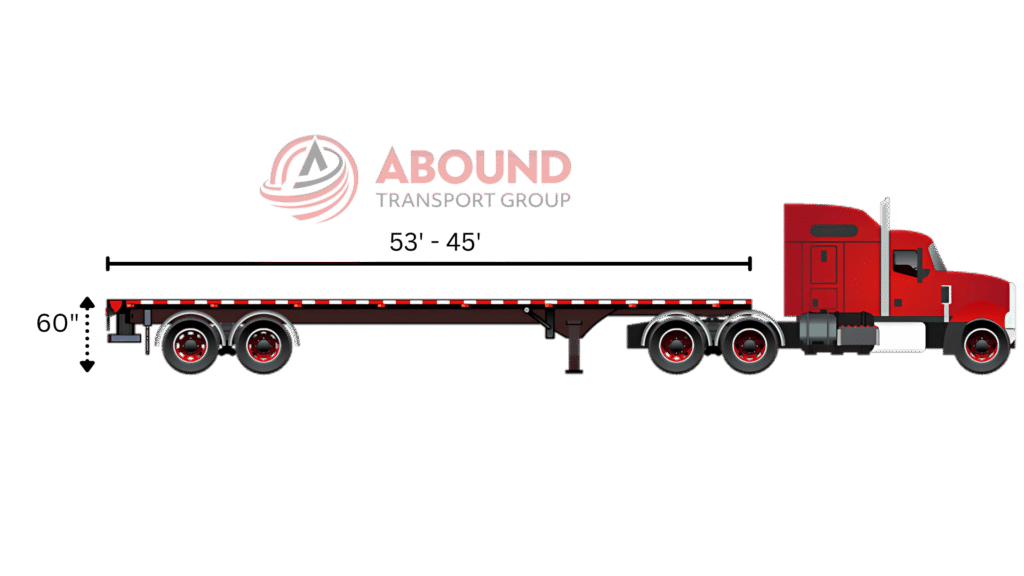
Flatbed Trailer Dimensions: Quick Specs
Flatbed trailers offer unmatched versatility for open-deck shipping, providing the strength and accessibility needed for heavy or oversized freight. From CNC machines and industrial equipment to steel beams and building materials, flatbeds handle cargo that can’t fit in enclosed trailers or requires top, side, or crane loading.
Their durable, open design and high capacity make them the preferred solution for safe, efficient transport across the United States, Canada, and Mexico.
Flatbed
💡 Pro Tip: If your freight exceeds 8’6” in height, consider a Step Deck or Double Drop / RGN trailer to stay within legal limits. Check Height Map to confirm height limits per state.
Quick Specs:
Trailer Length:
45′ – 53′ L
Trailer Width:
102″ W
Deck Height:
60″ H (dock height)
Weight Capacity:
~48,000lbs
Use Case:
Machinery, steel, lumber, palletized freight, construction materials, antyhing that needs to load from side or overhead crane.
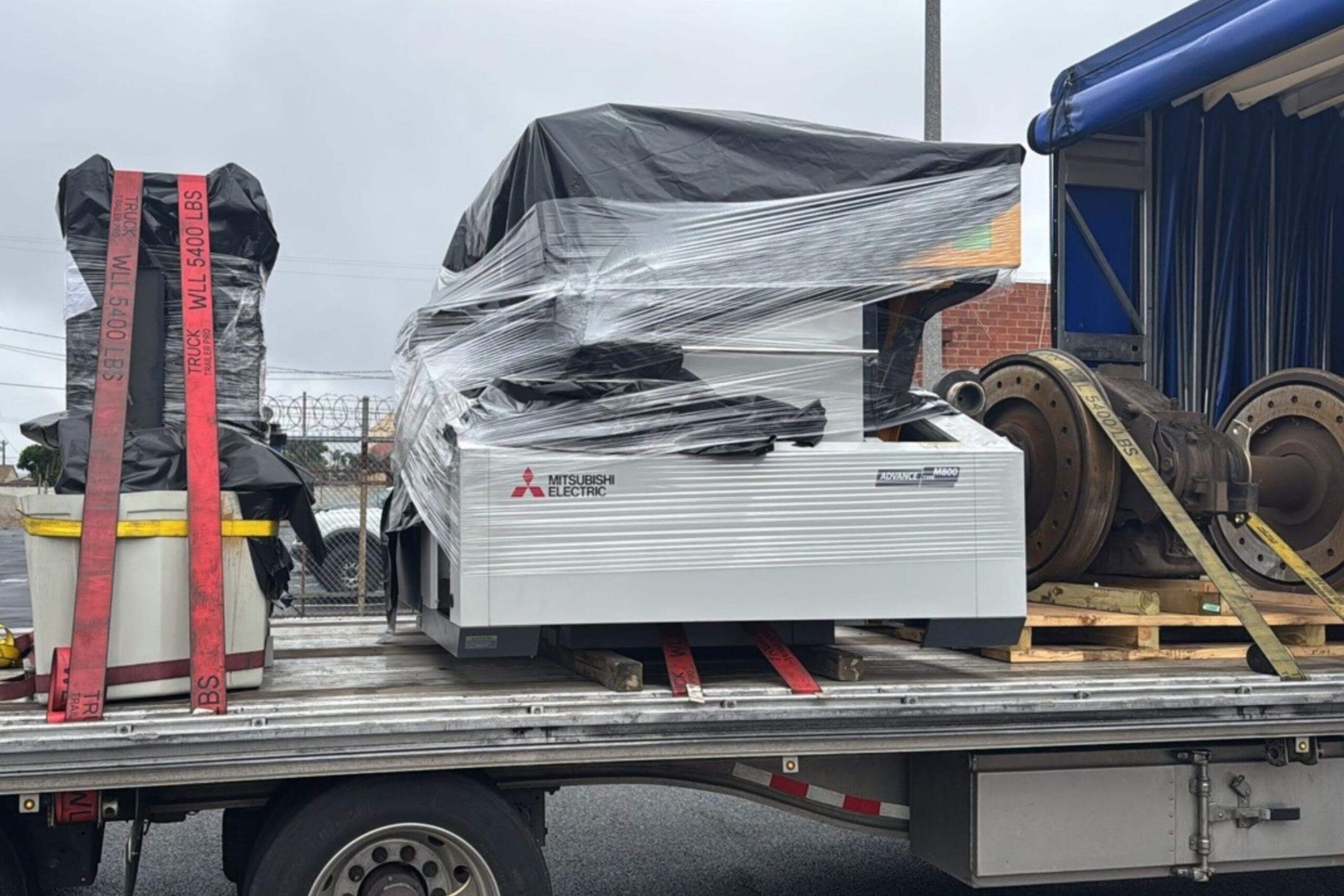
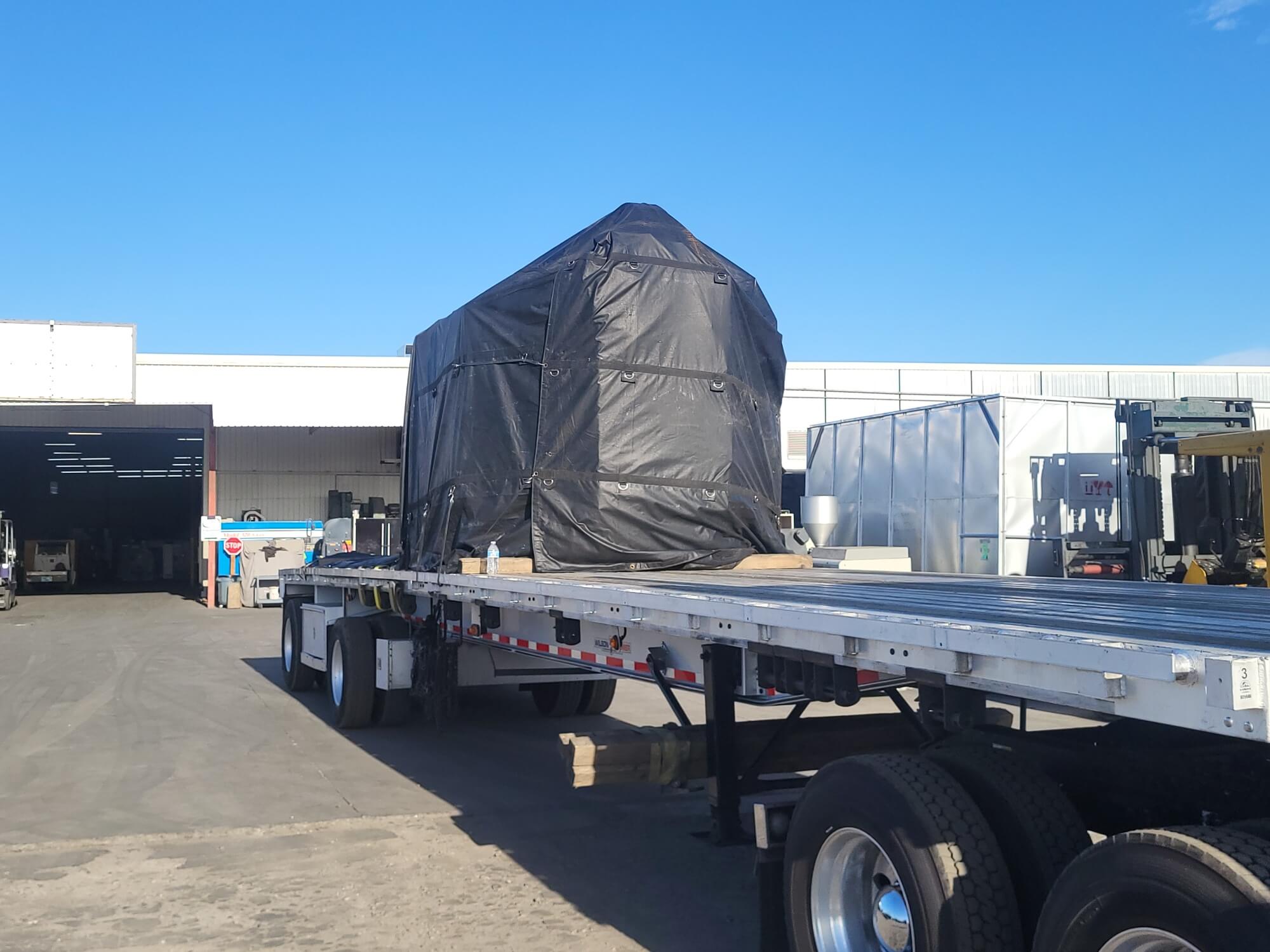
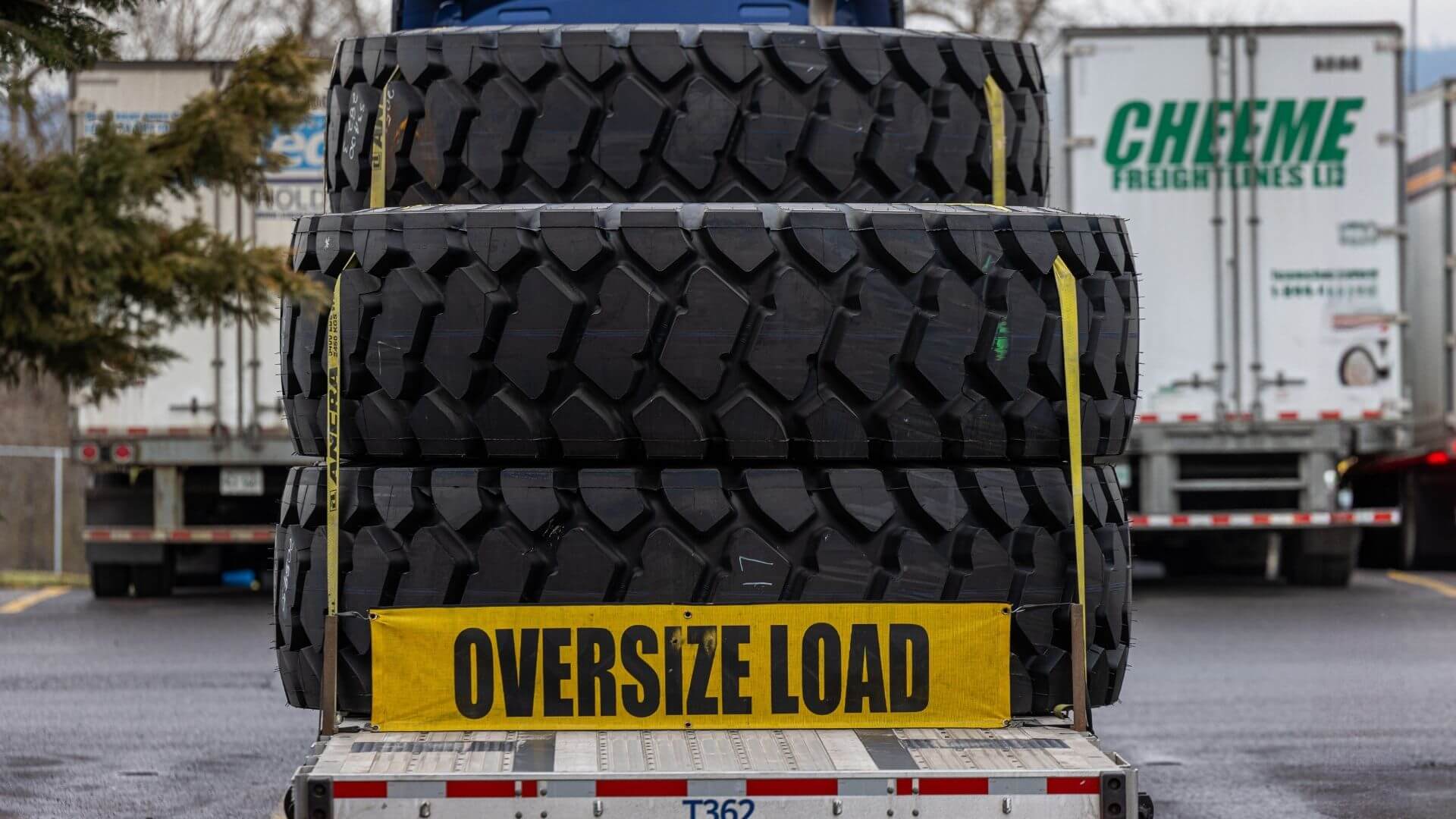
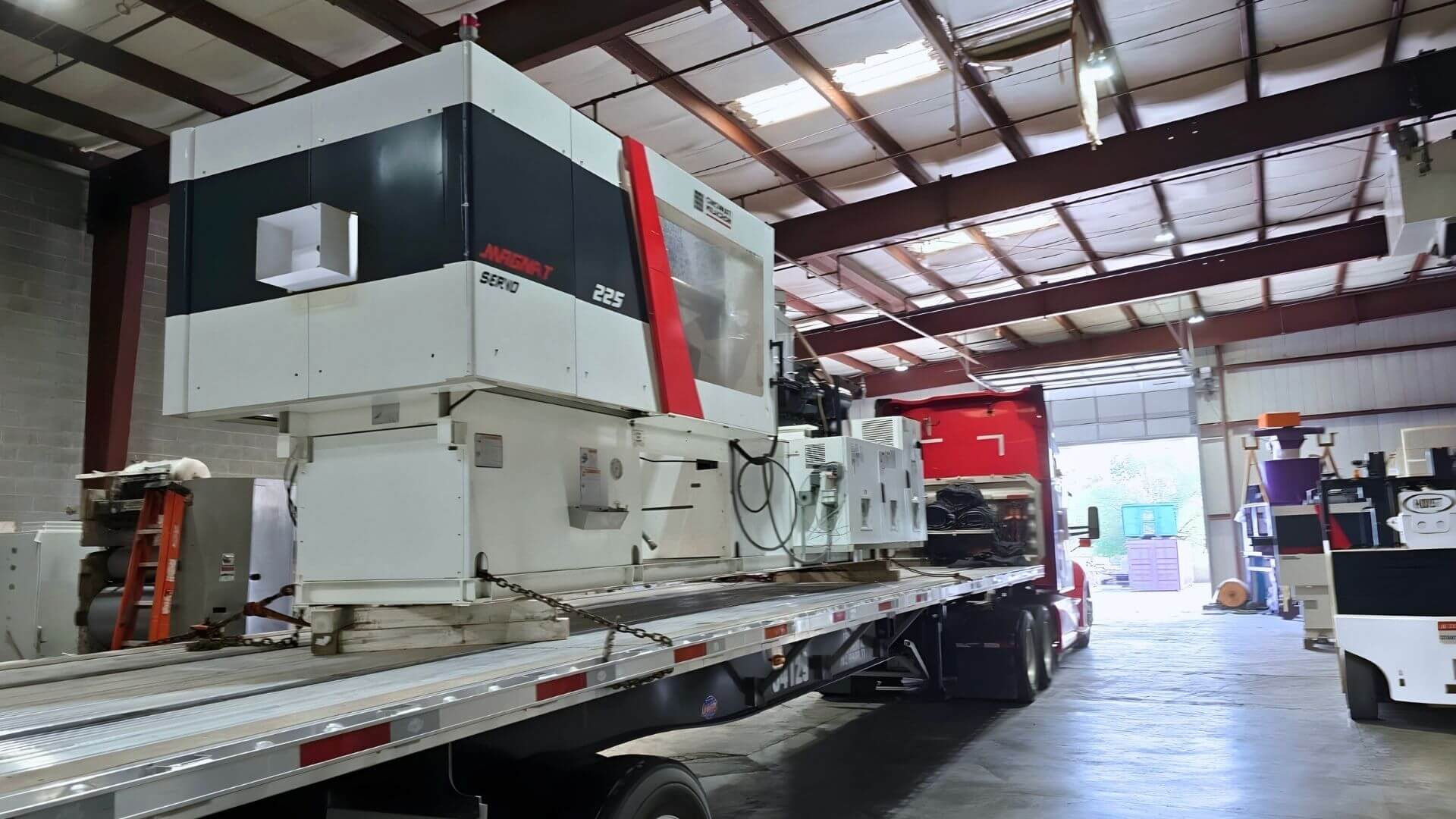
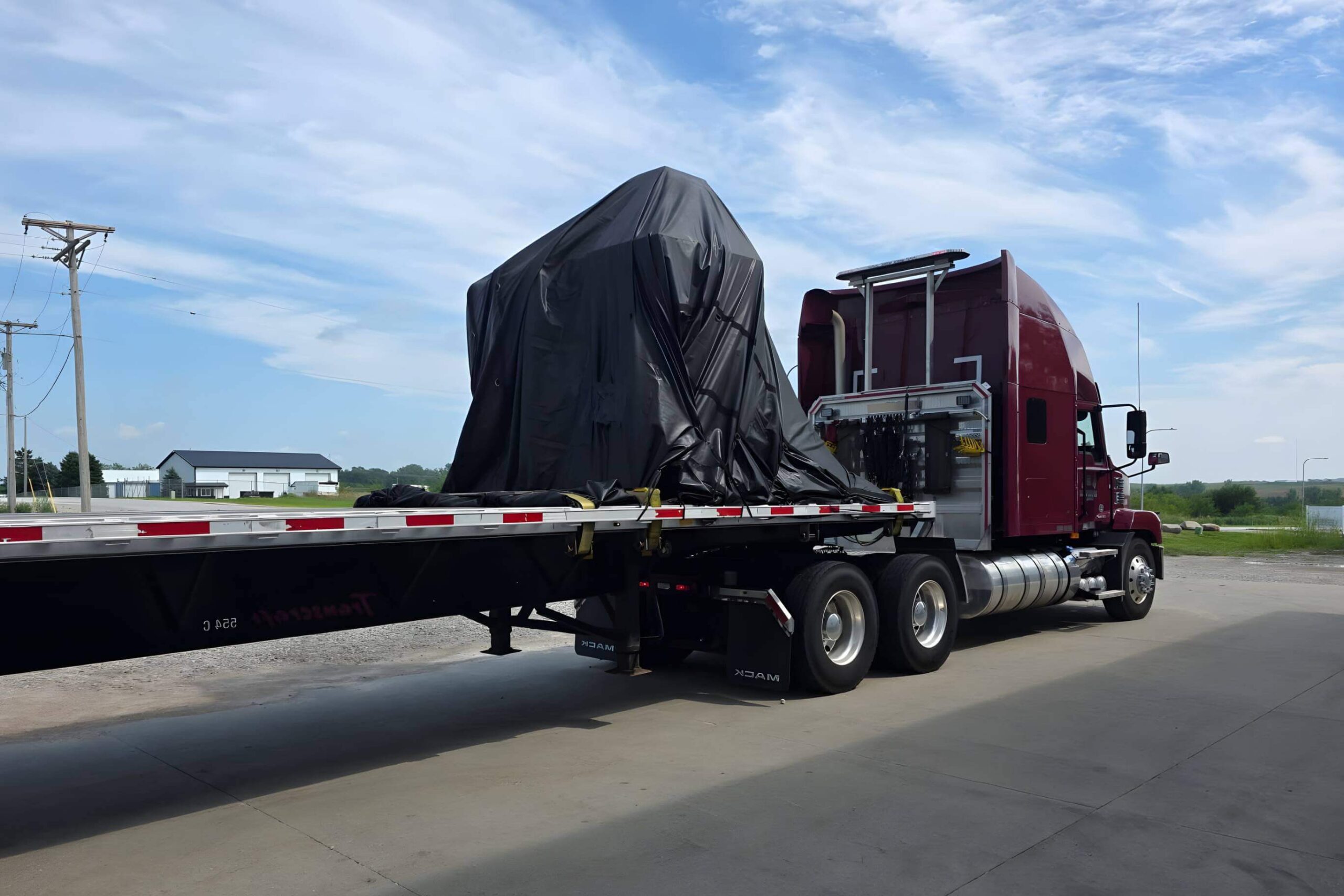
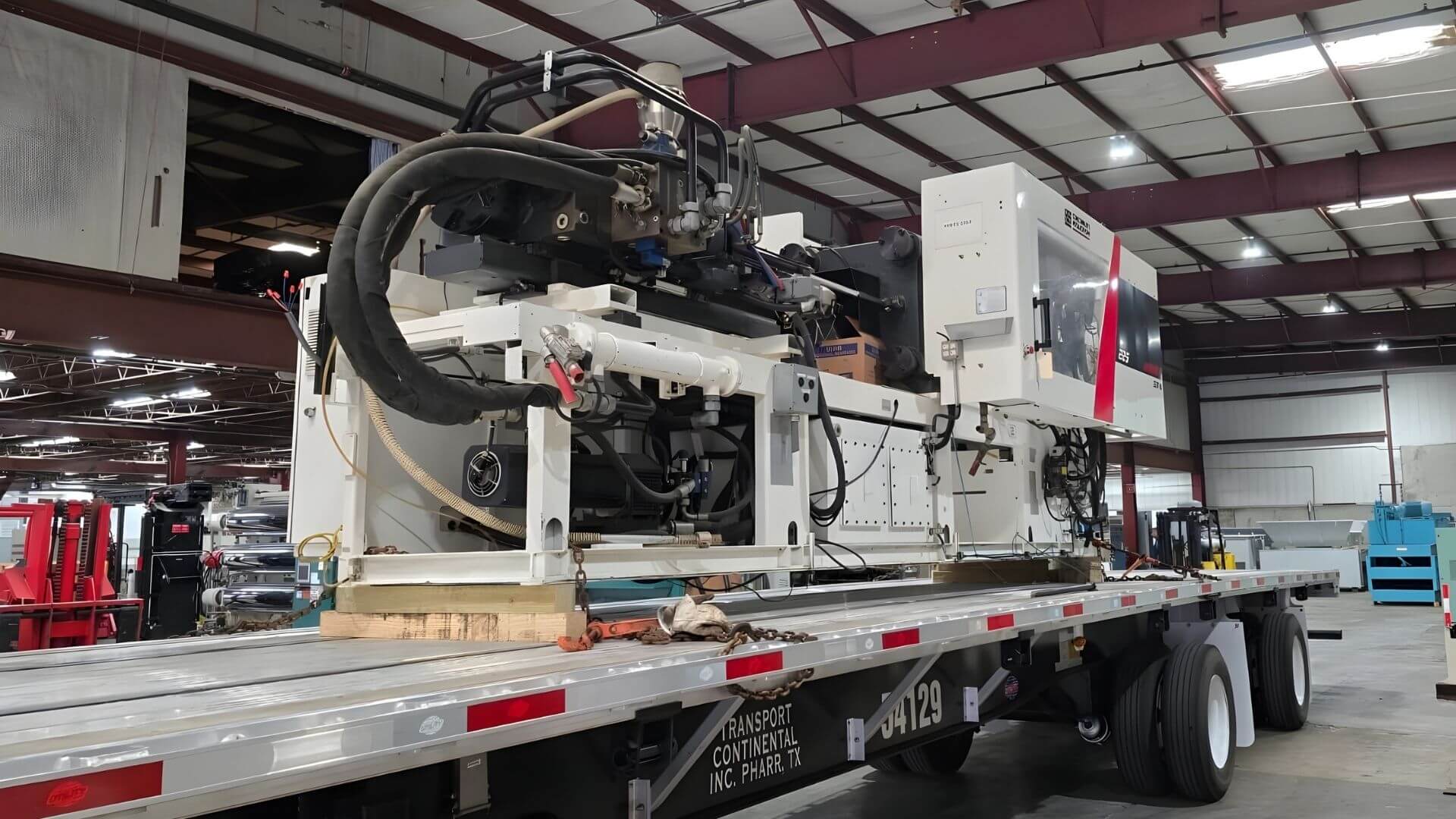
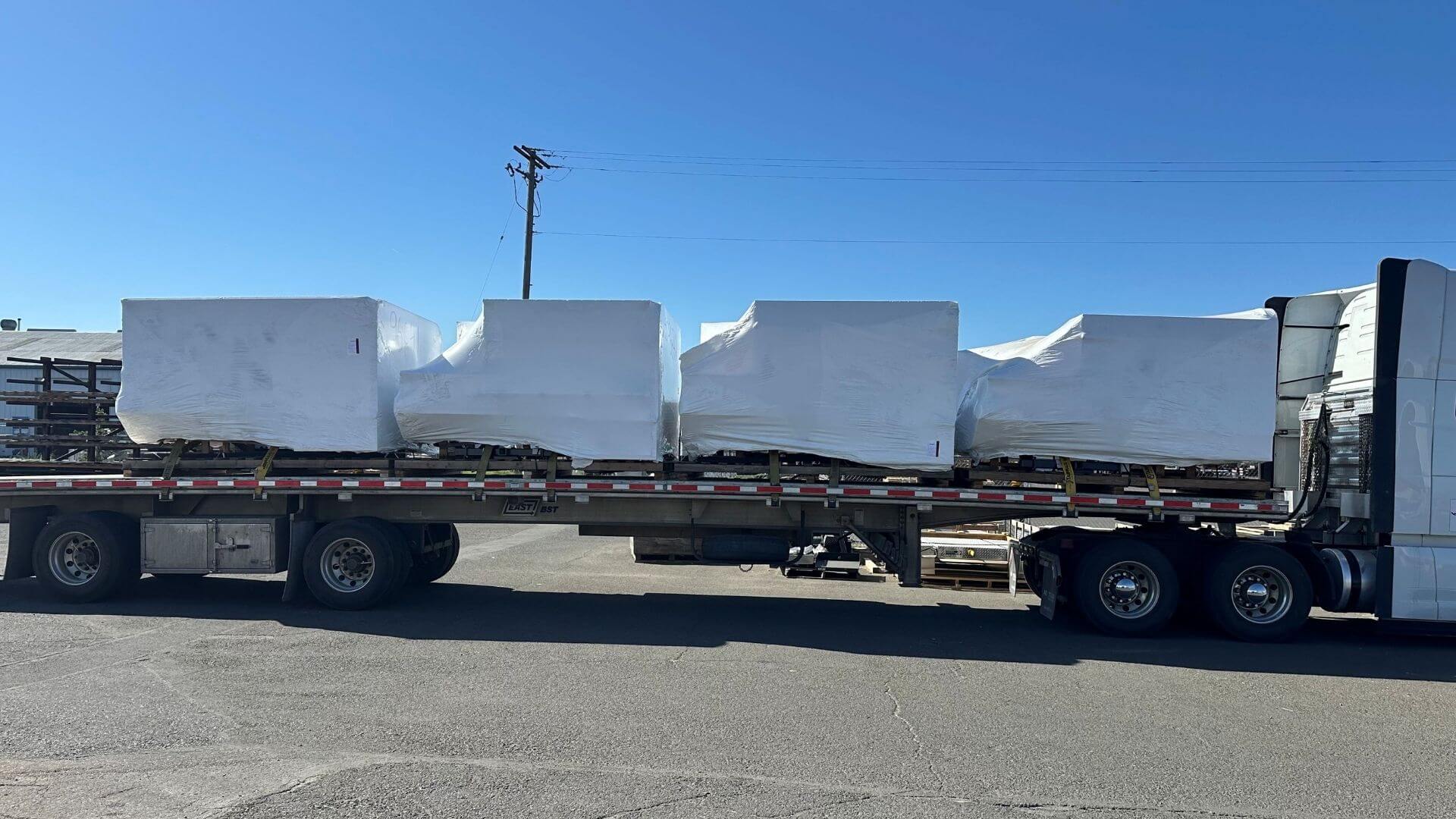
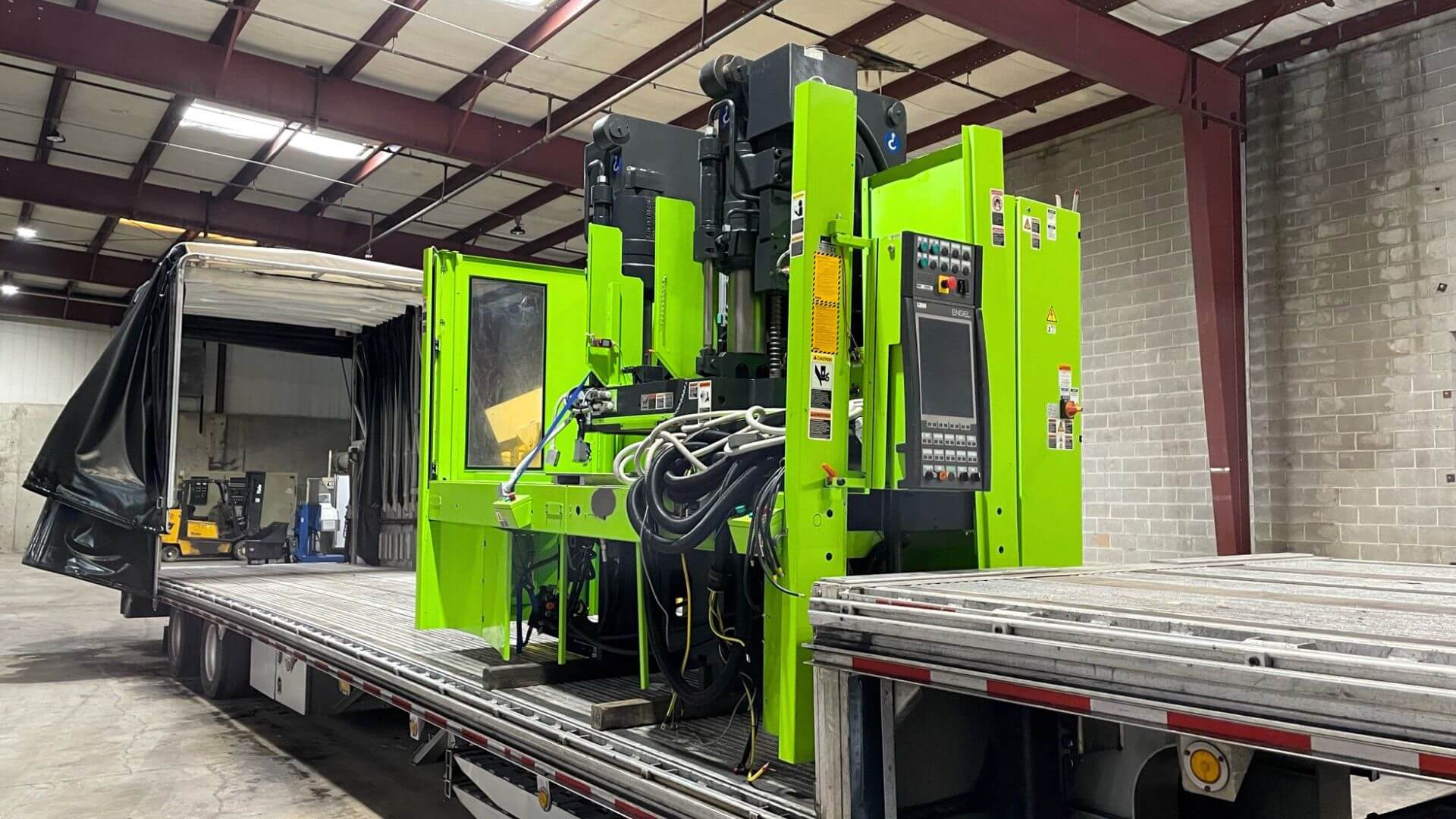
Examples of Our Flatbed Shipments
A look at how we’ve moved flatbed loads recently
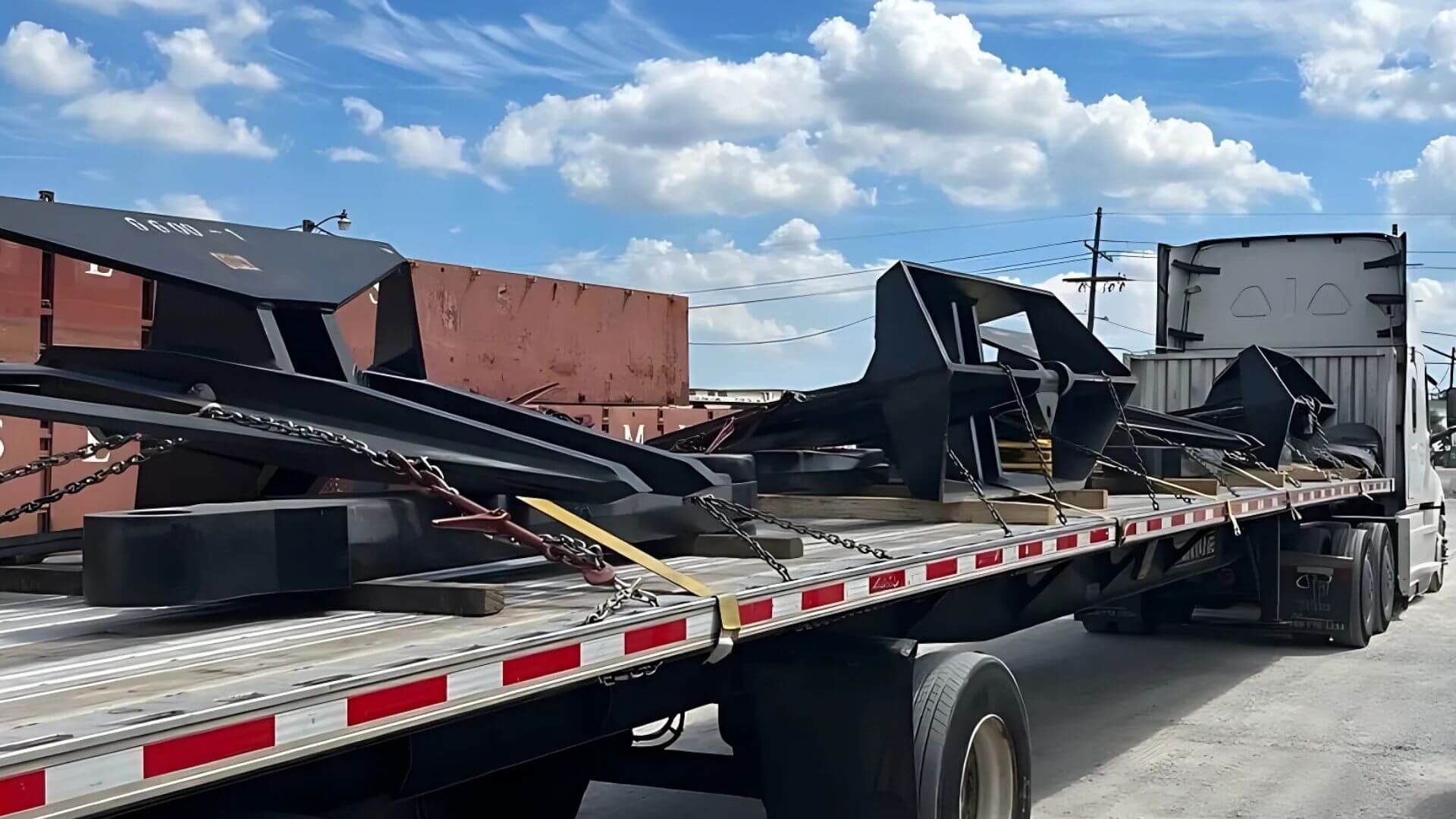
What Flatbeds Haul Best
Flatbeds excel in hauling freight that requires flexibility, side-loading access, or special securement considerations. Common shipments include:
- CNC Machines & Industrial Equipment
- Steel Beams, Pipes & Coils
- Lumber, Building Materials & Prefab Panels
- Heavy Machinery & Attachments
- Generators, Tanks & Industrial Tools
- Crated or Palletized Freight
Ideal Industries: Manufacturing, Construction, Energy, Infrastructure, and Auction Resells
Navigating Height Regulations
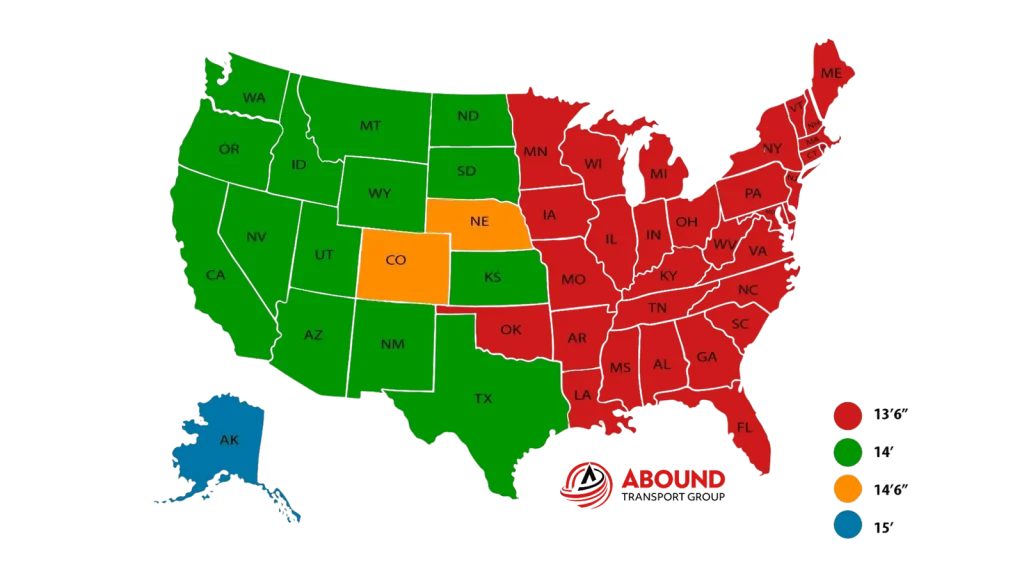
A standard flatbed allows for 8’6″ of cargo height, but legal height limits vary by state. Western states often permit a total height of up to 14 feet, while many eastern states cap it at 13’6″. This means a load that is legal on a flatbed in California may require an overheight permit, or a different trailer such as a step deck, to travel to states like New York.
Our team uses this state-by-state data to plan the most efficient and compliant route for your freight.
A Brief History of Flatbed Freight
Flatbed trailers originated in the early 1900s when horse-drawn wagons were replaced by motorized steel platforms. As the U.S. highway system expanded, flatbeds became essential for moving infrastructure materials like beams, rebar, and heavy machinery. Modern flatbeds have evolved significantly, now equipped with air-ride suspension, lightweight aluminum frames, and securement systems that meet FMCSA standards. The result is a safer, smoother, and more efficient way to move freight from pickup to final delivery.
Equipment & Load Securement
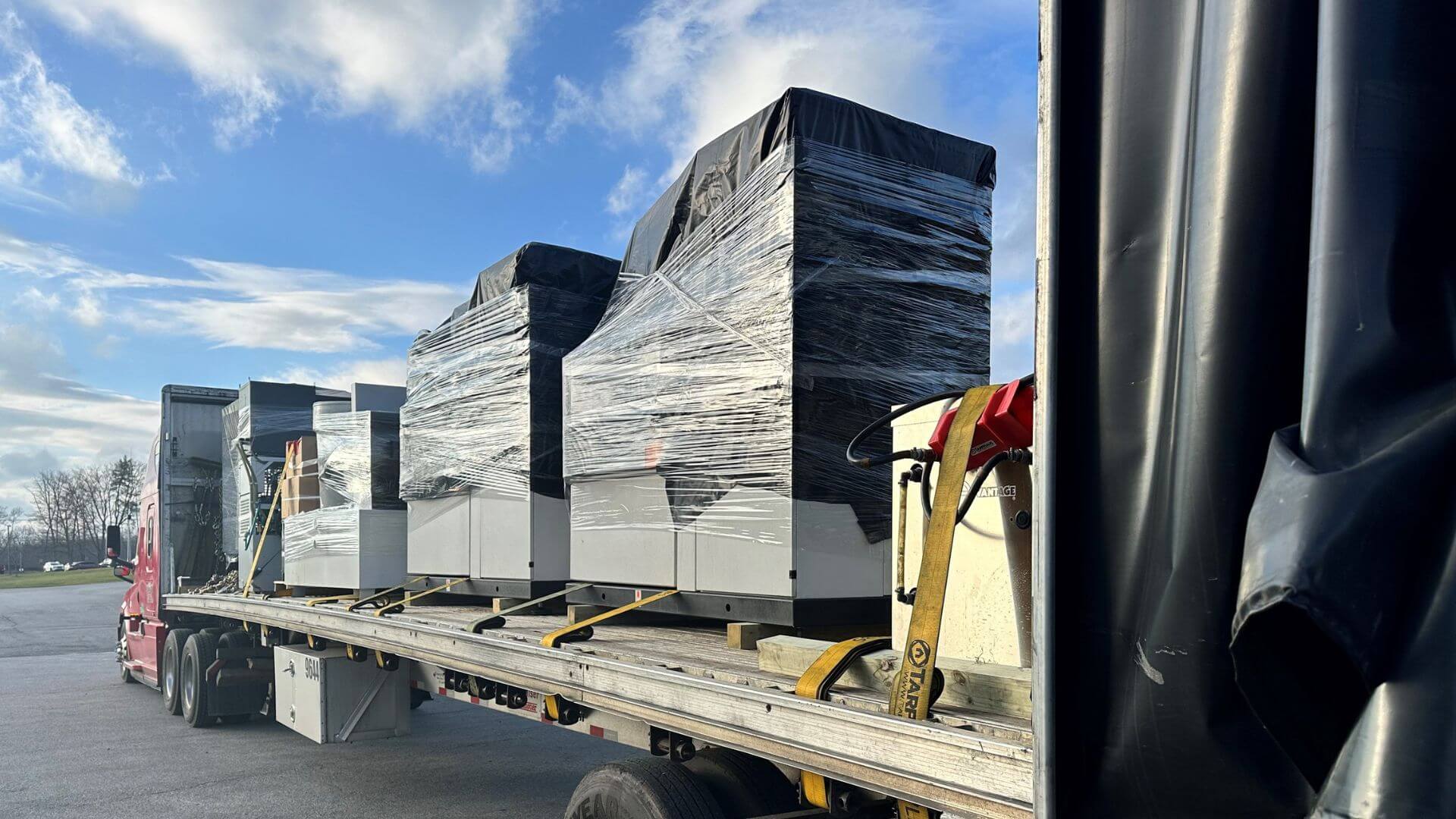
Proper securement ensures safety, compliance, and protection for your freight. Carriers must follow FMCSA 393.100 cargo securement regulations. Common Securement Tools for a flatbed:
Chains & Binders
for machinery, steel, and heavy freight
Straps & Edge Protectors
for finished goods and delicate cargo
Tarps
to shield against weather and road debris
Dunnage & Blocking
for balance and elevation
Our team provides guidance on securement requirements based on your freight type and route.
From Our Blog
Insights on Shipping, Trailer Types, and Logistics Trends

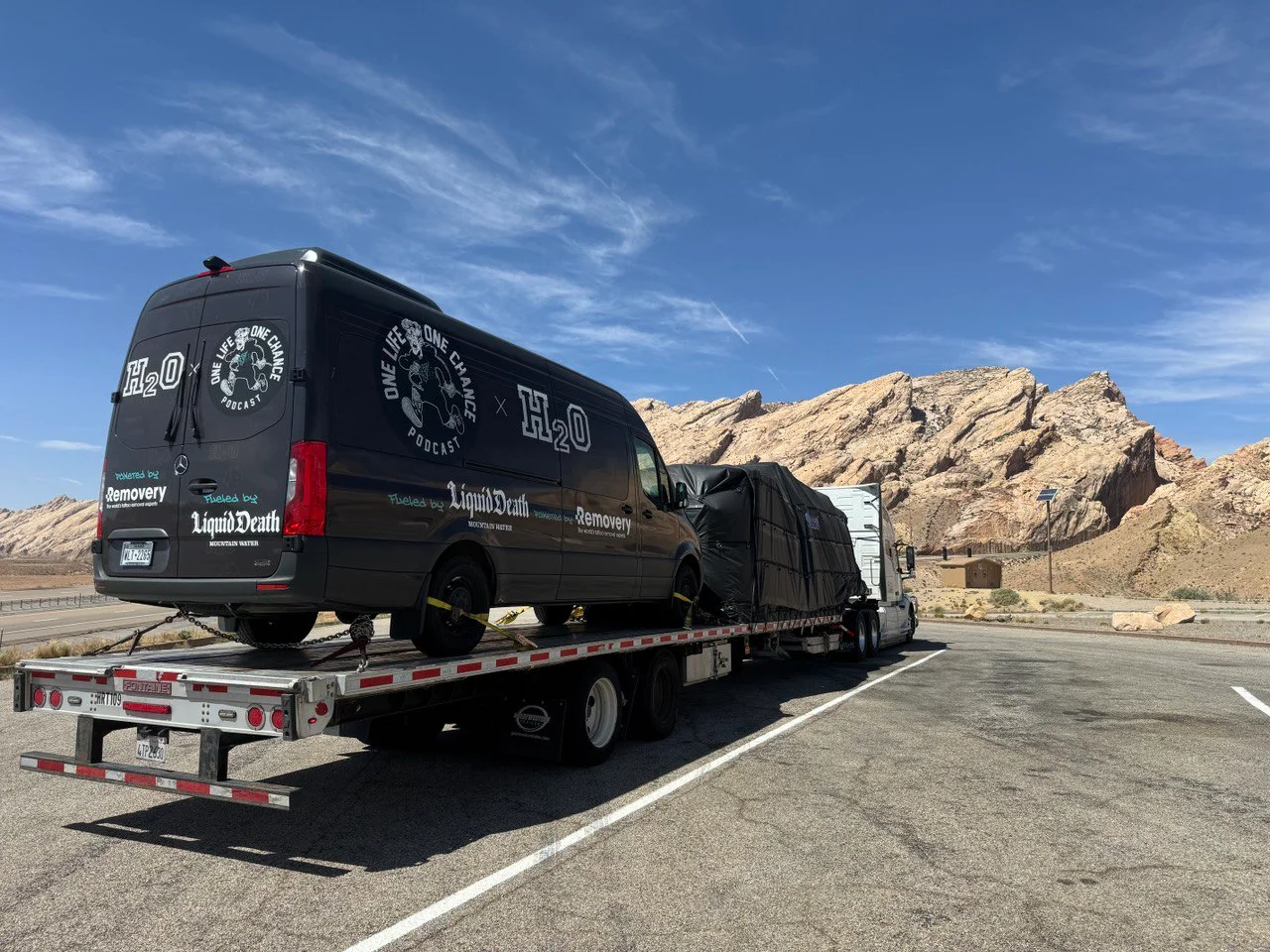
Nationwide Coverage, Local Support
Nationwide & Cross-Border Expertise
Abound provides full North American coverage with a focus on open-deck
- 🇺🇸 U.S. State-to-State Transport
- 🇨🇦 Cross-Border Canada Freight
- 🇲🇽 Direct Mexico Transport (no transloading)
Our logistics team handles route planning, permits, and customs documentation to ensure seamless deliveries across borders.
Technology & Visibility
All shipments are managed through ATGFr8, Armstrong’s advanced TMS:
- Real-Time GPS Tracking
- Digital BOLs & Document Uploads
- Online Billing & Payment Portal
Stay updated from quote to delivery! ATGFr8 gives you real-time GPS tracking, automated status updates, and instant visibility into every shipment.
Example in Action
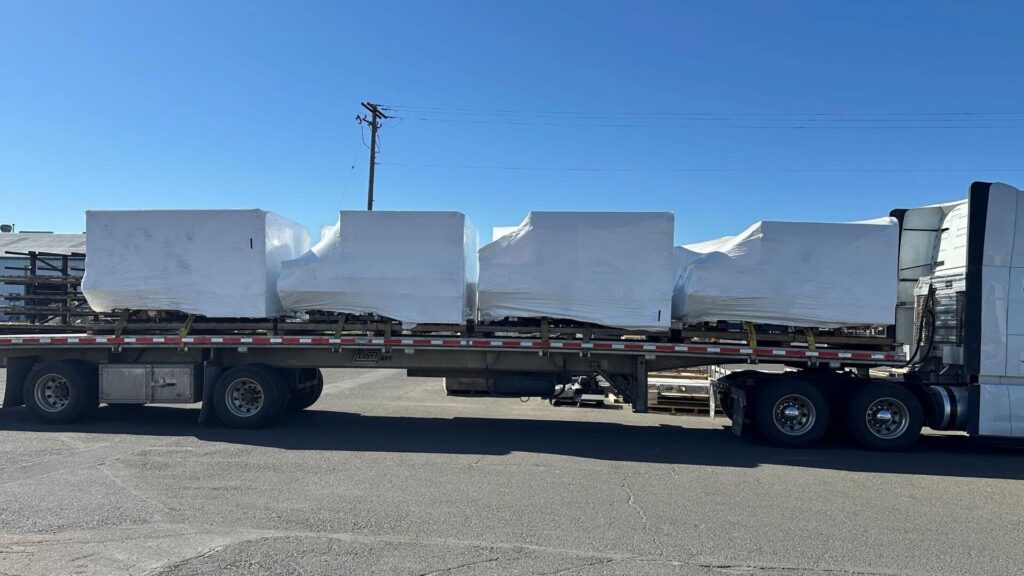
Use Case: Pickup Flatbeds Transport
Los Angeles, CA → Houston, TX
We recently hauled several pickup truck flatbeds from a facility in Los Angeles, CA to a customer in Houston, TX. Using a 53′ flatbed trailer, the load was light at just over 20,000 lbs, fully legal with no tarps required. A smooth, simple shipment, exactly what flatbeds are built for.
See What People Say On Google
Our commitment to reliable service and partnership shows in our reviews. See why businesses trust us with their most critical shipments.
Flatbed Shipping FAQs
Most flatbeds can legally haul between 48,000 and 50,000 lbs, depending on the trailer and axle configuration.
The average flatbed deck height is 5 feet (60"), allowing for 8'6" of legal freight height.
If your cargo is weather-sensitive or requires protection from debris, tarping is recommended.
Yes. Flatbeds support side, rear, or top loading by crane, forklift, or dock.
We can often book same-day, but 24–48 hours notice ensures best rates and availability.
Only if your freight exceeds 8'6" high, 8'6" wide, or 48,000 lbs. We’ll handle all necessary permits.