

A step deck Conestoga trailer pairs the low lower deck of a step deck with a rolling, frame-supported tarp, so tall freight such as CNC machines and injection molders can ride enclosed without a hand-tarped load. This complete guide covers how it works, typical specs, benefits, loading, care and the rules that apply.
What is a step deck Conestoga trailer?
It is a step deck trailer with a rolling tarp on an aluminum frame that encloses the load like a van.

A step deck Conestoga combines two trailer types. The step deck has two levels: a lower main deck closer to the ground for taller cargo, and a shorter upper deck over the kingpin. Add a Conestoga rolling tarp and you get a trailer that handles tall freight and protects it from weather and road debris.
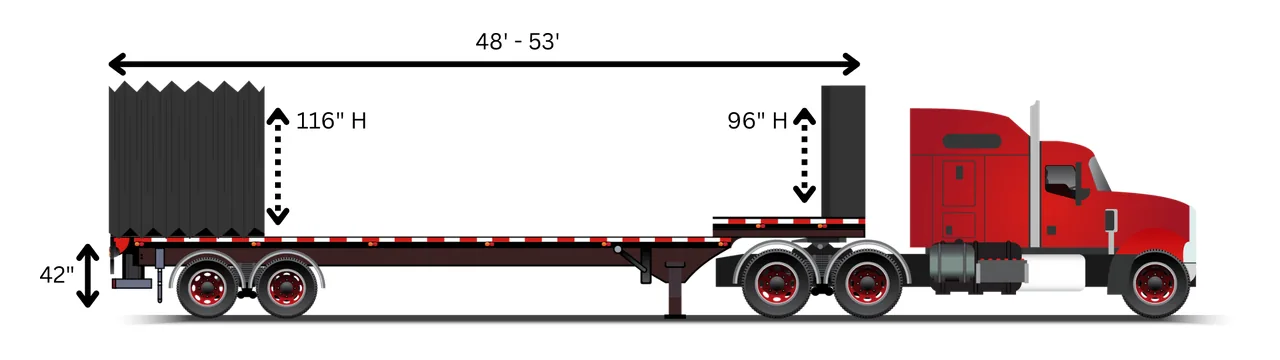
- Lower deck height: about 42 inches
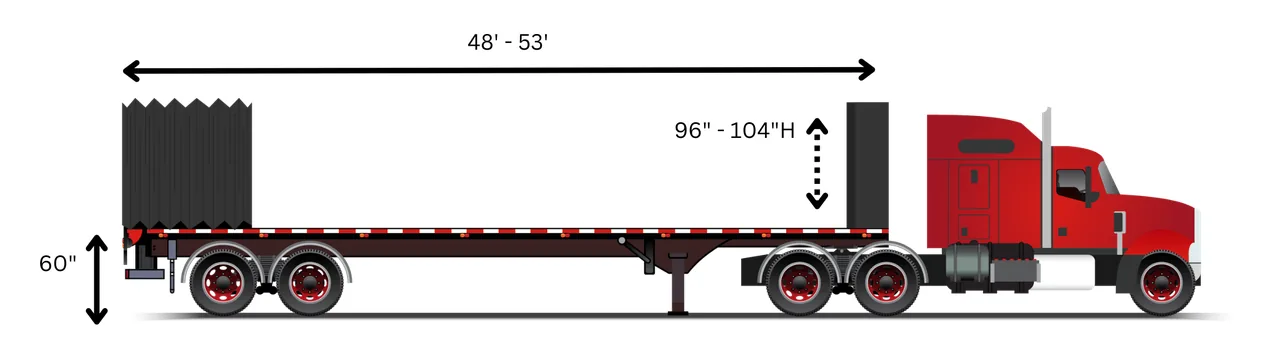
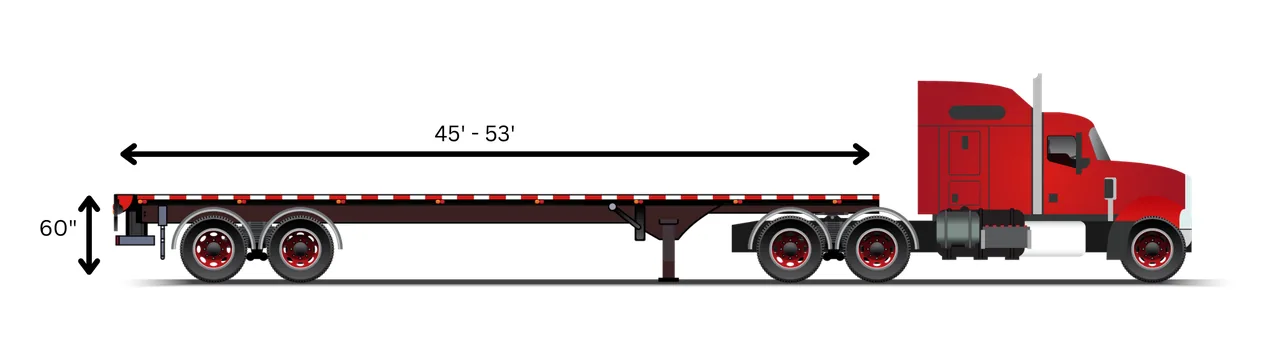
- Upper deck height: about 60 inches
- Lower deck inside height: about 116 inches
- Upper deck inside height: about 96 inches
- Inside width: about 102 inches
- Length: 48 to 53 feet
- Typical capacity: about 44,000 lbs
Specs vary by manufacturer and tarp kit, so always confirm the actual inside dimensions on the assigned trailer. The Conestoga name is a trademark of Aero Industries, which introduced the system in 1984.
Swipe to compare trailer profiles →



What are the benefits of a step deck Conestoga trailer?
More legal height than a flatbed, tarp-free protection and faster side loading.
More height. The lower deck carries freight about 18 inches taller than a standard 60-inch flatbed deck, which suits machining centers, lathes and other tall equipment.
Better protection. The tarp is supported by the frame, so it does not rub painted enclosures, sheet metal or glass the way a hand-applied tarp can. It also shields the load from rain, road spray and debris.
Easier loading. The tarp retracts to one end, allowing side or top loading by forklift or crane without the time and fall risk of manual tarping.

How is a step deck Conestoga trailer loaded and unloaded?
Open the tarp, load from the side onto a level, chocked trailer, secure the freight, then close the tarp.
- Position the trailer. Park on level ground and chock the wheels.
- Open the system. Release the latches and slide the tarp to one end.
- Load. Use a forklift or crane rated for the weight, and place tall freight on the lower deck with the weight distributed across the deck.
- Secure. Use chains, straps and blocking that meet federal securement rules.
- Close and check. Slide the tarp closed and confirm nothing contacts the frame.
Unloading reverses the process. For heavy machinery, a professional industrial rigging crew usually handles the lift; see typical rigging costs.

How should a step deck Conestoga trailer be maintained?
Inspect the tarp, frame, brakes, tires and lights on a regular schedule.
The tarp is the load’s main weather protection, so look for tears, holes, worn straps and damaged bows or rollers. Brakes, tires and lights need the same regular inspection as any trailer. A well-kept trailer means fewer delays and better-protected freight.

What regulations apply to step deck Conestoga trailers?
Weight limits, state height limits and federal cargo securement rules all apply.
Weight. The trailer has a maximum gross weight that includes the trailer and the payload. Overloading risks fines, equipment damage and accidents.
Height. There is no single federal height limit; FHWA notes state standards range from 13.6 to 14.6 feet. Check the route on our state height map.
Width. The federal width standard is 102 inches on the National Network (23 CFR 658.15).
Securement. Freight under the tarp must still meet 49 CFR 393 Subpart I.
What innovations are coming to trailer design?
Smarter monitoring, lighter materials and more automated loading.

Sensors that report cargo temperature, humidity and impacts, lighter composite components and more automated loading are all areas of development. For now, the step deck Conestoga remains one of the most practical ways to move tall, sensitive freight. Compare it with other options in our Conestoga trailer types, tarp vs. Conestoga and trailer types guides.
Step deck Conestoga FAQ
Quick answers about dimensions, fit and when to choose this trailer.
What is a step deck Conestoga trailer?
It is a step deck trailer with a rolling tarp system on an aluminum frame. It loads from the side or top like a flatbed and closes over the freight like a van.
How tall can freight be on a step deck Conestoga?
The lower deck typically offers about 116 inches of inside height under the frame, and the upper deck about 96 inches. Confirm the dimensions of the assigned trailer before loading.
Why use a step deck Conestoga instead of a flatbed with a tarp?
The lower deck allows taller freight within common height limits, and the frame-supported tarp protects sensitive surfaces without resting on the load.
Is a step deck Conestoga good for CNC machines?
Yes. It is a common choice for taller CNC machining centers and other precision machinery that need both height clearance and weather protection.
Do cargo securement rules apply under a Conestoga tarp?
Yes. Freight must be secured to federal standards in 49 CFR 393 Subpart I whether or not it is covered.
What is the width of a step deck Conestoga?
Inside width is generally about 102 inches, matching the federal width standard on the National Network. Wider freight needs an open trailer and possibly a permit.
Book a Conestoga step deck for tall freight
Abound Transport matches the trailer to your freight’s height, width and weight, sources a qualified independent carrier through Armstrong’s carrier network and coordinates with your rigger at pickup. Additional all-risk cargo coverage may be available for qualifying shipments after written confirmation; see cargo insurance.
Request a Freight QuoteTalk with an agent at (800) 957-2558, Mon to Fri, 5:30 AM to 5:00 PM PT.
Sources
Official references and company pages cited in this guide.
Abound Transport Experts
The Abound Transport team is a family-operated logistics agency based in Southern Oregon. As an authorized agency of Armstrong Transport Group, LLC, we give every shipper one-to-one service from the first quote to delivery.
Never Miss an Update
Add aboundtransportgroup.com as a Preferred Source on Google.
★ Add to Preferred Sources